A Beginner's Guide To Hantavirus in the UK (2026 Update)
Last Updated: 19 June 2026
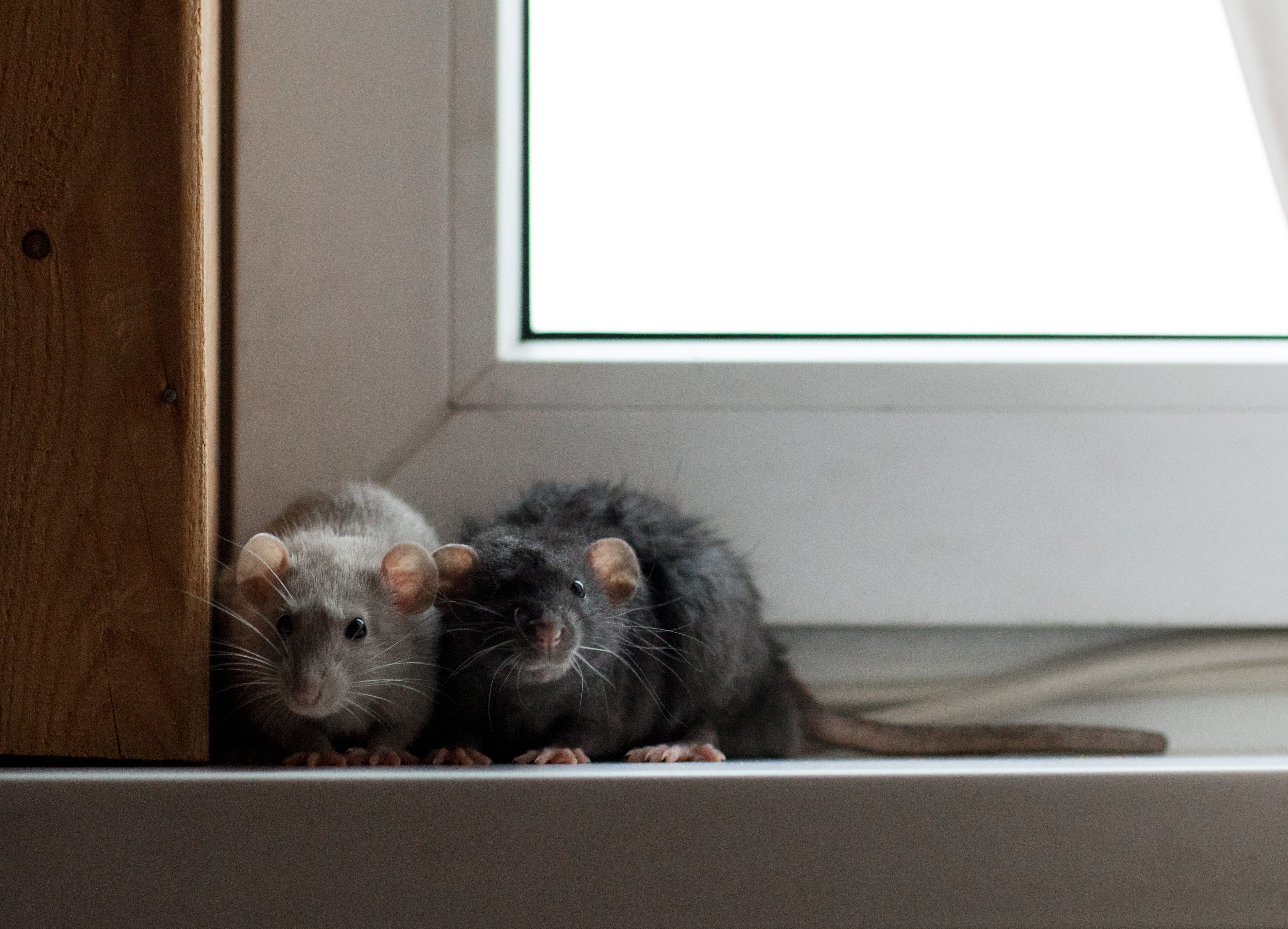
Hantavirus is a rare but potentially serious viral infection linked to contact with infected rodents, their droppings and contaminated environments, and growing public discussion around recent cases has increased awareness across the United Kingdom.
Recent concern around the Andes strain and reports connected to a cruise ship outbreak have highlighted how viral outbreak monitoring remains an important public health issue, particularly where household pests, rodent droppings and mouse droppings may create a health risk that could lead to severe illness [1].
Insights in this article are provided by Vivere’s Head of Nutrition, Yusra Serdaroglu Aydin, a registered dietitian with a background in nutrition, food engineering and culinary arts. Her approach is grounded in science and shaped by a strong understanding of personalised nutrition and the human microbiome
In One Sentence:
Hantavirus is a rare rodent-borne viral infection that can spread through exposure to contaminated rodent waste and may cause serious respiratory or kidney-related illness in some people.
Key Takeaways
The very first symptom of hantavirus is often fever, alongside severe fatigue and muscle aches that may resemble a flu-like illness.
Not all mouse droppings carry hantavirus, but exposure to infected rodent urine, saliva, or rodent faeces can increase the risk of viral transmission.
Hantavirus mainly spreads when people breathe in aerosolised dust contaminated with infected rodent waste.
Cleaning enclosed dusty spaces without proper precautions may increase exposure to airborne viral particles.
Early medical assessment is important if symptoms develop after contact with rodents or contaminated environments.
What is the very first symptom of hantavirus?
The first symptom of hantavirus is usually fever, often accompanied by severe fatigue and muscle aches.
Early symptoms can appear similar to common viral illnesses, which may make the condition difficult to recognise at first. Some people also experience headaches, chills and nausea during the early stages of infection. Symptoms may develop 1 to 8 weeks after exposure to aerosolised dust contaminated by rodent urine, rodent faeces or saliva.
Do all mouse droppings carry hantavirus?
No, not all mouse droppings carry hantavirus.
Only infected rodents spread the virus, and hantavirus remains relatively rare in the United Kingdom. However, because it is difficult to identify infected droppings visually, all rodent waste should be treated with caution and cleaned safely.
How does hantavirus spread to humans?
Hantavirus spreads mainly through inhalation of contaminated aerosolised dust particles.
This can happen when dried rodent urine or faeces are disturbed during sweeping, cleaning or handling contaminated materials. Viral transmission may also occur through direct contact with contaminated surfaces or, less commonly, rodent bites.
What is hantavirus, and how common is it in the UK?
Hantavirus is a group of viruses known as Orthohantavirus that are primarily spread by rodents and can occasionally infect humans [2] [3].
The UK Health Security Agency (UKHSA) describes hantavirus as a rare viral infection in the United Kingdom, although isolated cases continue to be identified through public health monitoring. Different strains exist worldwide, including the Andes hantavirus strain linked to outbreaks in South America. In the UK, infections are uncommon but can still occur through contact with infected rodents or contaminated environments.
Medical diagnosis can be challenging because symptoms often resemble influenza or other respiratory infections. Some infections may go undetected if symptoms remain mild. Public health monitoring helps researchers understand how hantavirus circulates among British wildlife and environmental rodent populations.
Although the overall risk to the public is considered low, awareness has increased following international reports of severe illness associated with certain hantavirus strains.

Do British rats and mice carry hantavirus?
Some British rodents can carry hantavirus strains, particularly Seoul hantavirus, which is found in wild brown rats and pet rats [4].
Research has shown that wild brown rats are among the main viral carriers linked to Seoul hantavirus in the United Kingdom [5]. House mice may also contribute to environmental contamination, although they are less commonly associated with confirmed infections. Pet rats have also been linked to cases in domestic settings, especially where indoor breeding or poor hygiene practices occur.
The Puumala strain is more commonly associated with bank voles in Mainland Europe rather than the UK, although awareness remains important due to travel and wildlife movement across regions. Bank voles are woodland animals known to carry hantaviruses in some European countries.
Environmental rodents living close to human habitation may increase the likelihood of accidental exposure, especially in sheds, garages, barns and storage spaces where rodent activity may go unnoticed.
How does hantavirus spread to humans?
Hantavirus spreads to humans mainly through inhalation of airborne dust contaminated with infected rodent waste [6].
Rodent Urine
When rodent urine, rodent faeces or rodent saliva dry out, tiny aerosolised particles containing viral particles can enter the air if the waste is disturbed. This often happens during cleaning activities involving dusty outbuildings, lofts, garages or storage units.
Contaminated Surfaces
Contaminated surfaces may also spread infection if people touch rodent waste and then touch their mouth, nose or eyes before washing their hands properly. In rare situations, a direct bite from an infected rodent could transmit the virus.
Human-to-human Transmission
Human-to-human transmission is extremely uncommon and is mainly associated with specific strains such as the Andes strain identified in South America. Most cases worldwide are linked directly to contact with infected rodents or contaminated environments rather than person-to-person spread.
Dry Waste
Dry waste disturbance significantly increases exposure risk because sweeping or vacuuming may release airborne dust into enclosed spaces.
Can I get hantavirus from eating contaminated food or water?
It is possible, although less common, for contaminated food to contribute to hantavirus exposure.
Food or water contaminated with rodent urine, saliva, or viral particles may present a transmission route if consumed without proper hygiene precautions. Rodents can damage cardboard packaging, food wrappers and stored dry foods inside kitchen cupboards or pantries.
Most infections are linked to inhaling aerosolised dust rather than digestive tract exposure, but food safety still matters when preventing pathogen transmission. Discarding damaged food packaging and cleaning contaminated storage areas thoroughly can reduce risk.
High temperatures from proper cooking may help destroy many pathogens, but contaminated food should not be consumed in any case if there is visible pest damage or evidence of rodent activity.
Good kitchen hygiene, sealed food storage containers and prompt pest control measures can reduce the likelihood of contamination in the home.
Who is most at risk of catching hantavirus?
People with regular exposure to rodents or contaminated enclosed spaces face the highest risk of hantavirus infection.
Farmers, pest control workers and pet rat breeders may encounter infected rodents more frequently than the general public. Exposure to airborne dust in enclosed spaces such as barns, sheds and storage facilities may increase the chance of inhaling contaminated particles.
People working in wild rodent habitats may also face greater occupational hazard risk, particularly during cleaning or maintenance activities involving rodent-infested areas. Cage cleaning among pet rat owners may increase exposure to the Seoul strain if proper hygiene precautions are not followed.
Campers, forestry workers and people renovating old buildings may also encounter contaminated dust without realising it. Wearing protective equipment and following safe cleaning procedures can help reduce exposure.
What are the symptoms of hantavirus in humans?
Hantavirus symptoms often begin with flu-like symptoms but may progress into serious respiratory illness or kidney complications [7].
The viral incubation period can vary from one to several weeks after exposure. Early symptoms commonly include:
High fever
Severe fatigue
Deep muscle aches
Headaches
Dizziness
Some people may also experience:
Vomiting
Abdominal discomfort
Chills
More severe cases can develop into Hantavirus Pulmonary Syndrome (HPS), which affects the lungs and may lead to lung fluid accumulation and breathing difficulties. Other strains may cause Haemorrhagic Fever with Renal Syndrome (HFRS), which is associated with kidney damage and changes in blood pressure.
As symptoms worsen, some people develop shortness of breath, chest tightness and rapid breathing that require urgent medical attention. Although infections remain rare, severe illness can carry a significant fatality rate, which can vary from 0.1% to in excess of 50%, in certain hantavirus strains worldwide [8].
Prompt assessment is important if symptoms appear after known rodent exposure or contact with contaminated environments.
How to Safely Clean Up Mouse Droppings
Mouse droppings should always be cleaned using damp disinfectant methods that reduce dust disturbance.
Dry sweeping and vacuuming hazards can increase the spread of aerosolised particles and airborne viruses. Instead, affected areas should first be ventilated before applying a wet disinfectant or bleach solution directly onto rodent waste.
People cleaning contaminated areas should wear a protective face mask and rubber gloves to minimise exposure. Damp paper towels can then be used to collect waste carefully without creating airborne dust. Waste materials should be placed into sealed bags for safe disposal.
After cleaning, all surfaces should be disinfected thoroughly, and hands should be washed carefully using good hand hygiene practices. Cleaning tools and gloves should also be disposed of or disinfected properly after use.
Reducing moisture damage, sealing entry points and controlling rodent access can help prevent future infestations.
Diagnosis and Treatment Options in the UK
Hantavirus diagnosis in the UK usually involves blood tests that detect viral antibodies and immune system response markers.
Clinical diagnosis often depends on a patient's symptoms, exposure history and laboratory testing. Doctors may ask about contact with rodents, contaminated spaces or recent travel history. Hospital admission may be required in moderate or severe cases.
There is currently no specific cure for hantavirus infection, so treatment focuses on supportive medical care. This may include oxygen support, fluid monitoring and management of kidney function where complications develop.
Severe respiratory illness may require intensive care treatment, particularly in cases involving breathing difficulties or reduced oxygen levels. Early medical intervention improves the likelihood of recovery and helps doctors monitor complications closely.
Because symptoms can resemble other viral infections, accurate testing remains important for confirming diagnosis.
Nutritionist's Corner: Final Thoughts
“Hantavirus remains rare in the United Kingdom, but understanding how viral infection defence works alongside practical hygiene measures can help reduce unnecessary health risks. Good pest exclusion practices, safe dry food storage, careful cleaning methods using wet disinfectant and awareness of bacterial contamination risks such as Salmonella or food poisoning all contribute to better household safety and immune system support. Staying informed about rodent exposure, maintaining hygiene protocols and seeking medical advice for concerning symptoms can help people protect themselves and their families more effectively.”
Vivere helps you take control of your health with personalised insights from state-of-the-art gut microbiome testing, nutritional guidance, science-backed biohacking supplements, NAD+ supplementation and expert support. Sign up today and start living better, for longer.
Sources
[1] Hantavirus cluster linked to cruise ship travel, Multi-country
[2] What is hantavirus? How is it transmitted and what are the symptoms?
[3] Hantavirus: What you need to know | The BMJ
[4] Seoul Virus Associated with Pet Rats, Scotland, UK, 2019 - PMC
[5] Novel Hantavirus in Wildlife, United Kingdom - PMC
[6] Foreign Secretary's statement: Hantavirus outbreak, 6 May 2026 - GOV.UK
Author

Yusra Serdaroglu Aydin, MSc RD
Head of Nutrition and Registered Dietitian
Yusra is a nutritionist with a multidisciplinary background in nutrition, food engineering, and culinary arts. During her education, her curiosity abo...
Peer Reviewed by
Yusra Serdaroglu Aydin, MSc RD
Head of Nutrition and Registered Dietitian
Yusra is a nutritionist with a multidisciplinary background in nutrition, food engineering, and culinary arts. During her education, her curiosity abo...