How to Use a Tongue Scraper
Last Updated: 13 May 2026

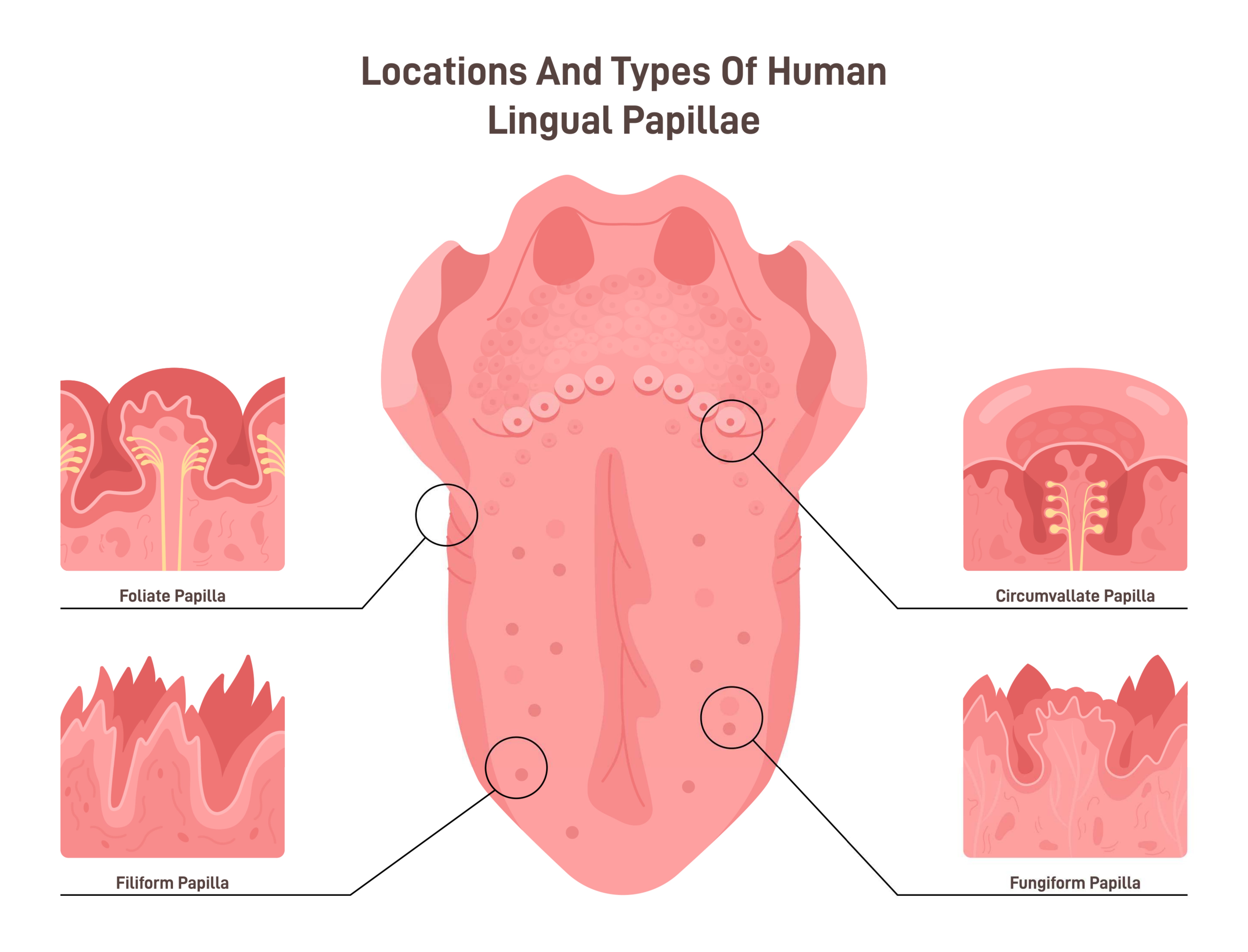
Tongue scraping is a simple but often overlooked part of oral care that can support fresher breath, better taste perception and overall mouth health by removing build-up from the surface of the tongue. The tongue is covered in papillae, which can trap bacteria, food debris and dead cells, forming a biofilm that contributes to halitosis or bad breath and can affect the oral microbiome. Over time, this build-up may also dull taste perception and increase the bacterial load in the mouth.
The insights provided in this article are shared by Vivere’s Head of Nutrition, Yusra Serdaroglu Aydin, a registered dietitian with a background in nutrition, food engineering and culinary arts, whose approach is grounded in science and shaped by a strong understanding of personalised nutrition and the human microbiome.
In One Sentence:
Tongue scraping is an effective oral hygiene practice that removes bacteria and biofilm from the tongue to support fresher breath and better taste.
Key Takeaways
Does tongue scraping affect taste buds? Gentle mechanical cleaning of the tongue can support taste buds by reducing build-up that interferes with taste perception, particularly when done correctly and consistently [1].
How does tongue scraping relate to gut health and digestion? By supporting a healthier oral microbiome, tongue scraping may indirectly benefit gut health and digestion as oral bacteria are swallowed daily.
What material should you choose? Tongue scrapers are commonly made from stainless steel, copper or plastic, with each material offering different benefits in terms of hygiene and durability.
How often should tongue scraping be done? Making tongue scraping part of a daily routine helps maintain lower bacterial levels and fresher breath over time.
Why is mechanical cleaning important? Mechanical cleaning physically removes debris and bacteria rather than spreading them around the mouth.
What is tongue scraping?
Tongue scraping is an oral hygiene practice rooted in Ayurveda that involves gently removing the coating from the surface of the tongue to reduce bacteria and improve mouth cleanliness.
In Ayurvedic practice, the tongue is seen as a mirror of internal health. Modern oral hygiene research supports the idea that the lingual coating harbours anaerobic bacteria such as Streptococcus mutans and other microorganisms that form a biofilm.
This coating settles between the papillae, which have a carpet-like structure that easily traps debris. A tongue scraper is a tool designed to glide over the tongue and lift away this layer. Studies show that a metal scraper is more effective than using a toothbrush, which tends to spread material rather than remove it fully [2].
Tongue scraping is a natural biohacking practice that has become increasingly popular with celebrities in recent times.
How to Use a Tongue Scraper Correctly
Using a tongue scraper correctly involves a gentle back-to-front motion that removes build-up without causing discomfort or triggering the gag reflex.
Start by standing in front of a mirror and opening your mouth comfortably.
Place the scraper as far back on the posterior tongue (the back of the tongue) as you can without strain.
Apply light pressure and pull the scraper forward towards the tongue tip in one smooth motion, rinsing the scraper between passes.
This back-to-front motion supports effective debridement of the lingual coating while minimising irritation. Repeat two to four times, being mindful of your gag reflex and reducing pressure if needed.
Why is tongue scraping more effective than brushing your tongue?
Tongue scraping is more effective than brushing because it removes bacteria and volatile sulfur compounds rather than spreading them across the tongue surface.
Bad breath is often caused by volatile sulfur compounds, which are sulfur gases responsible for the familiar rotten egg smell produced by bacterial metabolism.
Mechanical Removal vs. Dispersion
Brushing the tongue tends to move these compounds and dead skin cells around, increasing dispersion rather than reducing the bacterial load.
A tongue scraper works with a squeegee effect, mechanically lifting and removing biofilm, bacteria and dead skin cells in a way that brushing cannot achieve as effectively [3] [4].
Essential Safety and Maintenance Tips
Safe tongue scraping relies on gentle technique, proper hygiene and choosing a scraper that suits your needs.
Using too much pressure can irritate tissue, damage taste buds or cause minor bleeding, so light, controlled strokes are essential. Scrapers should be cleaned thoroughly after each use to prevent cross-contamination, with metal scrapers safely sterilised using boiling water.
Plastic scrapers require regular replacement due to wear and hygiene concerns, while metal scrapers tend to offer better sustainability and a longer lifecycle when maintained properly [5].
Frequently Asked Questions
How often should you scrape your tongue?
Tongue scraping is best done once daily as part of a morning routine on an empty stomach.
For beginners, starting every other day can help the mouth adjust, while children should only scrape under supervision using gentle pressure and age-appropriate tools.
Can tongue scraping improve taste?
Tongue scraping may improve flavour profile perception by clearing the build-up that dulls sweet and salty taste signals.
By reducing the coating that blocks taste receptors, many people notice clearer and more distinct flavours over time.
Should I use a metal or plastic scraper?
Choosing between metal and plastic depends on hygiene preferences and environmental considerations.
Metal scrapers are generally easier to clean, more durable and create less waste, while plastic scrapers are often cheaper but need more frequent replacement.
Nutritionist’s Corner: Final Thoughts
“Consistency and habit formation are key when it comes to tongue scraping, as this simple practice can support holistic health by improving oral cleanliness and contributing to fresh breath over time.”
"Tongue scraping is a simple addition to your daily routine that can make a noticeable difference to oral hygiene when practised consistently and correctly. While it is not a replacement for brushing, fl ossing or regular dental care, it can complement these habits by helping to reduce bacterial build-up and support fresher breath."
Vivere helps you take control of your health with personalised insights from state-of-the-art gut microbiome testing, nutritional guidance, science-backed supplements, NAD injections and expert support. Sign up today and start living better, for longer.
Sources
[1] Tongue Cleaning Increases the Perceived Intensity of Salty Taste - PubMed
[4] Halitosis: the multidisciplinary approach | International Journal of Oral Science
Author

Yusra Serdaroglu Aydin, MSc RD
Head of Nutrition and Registered Dietitian
Yusra is a nutritionist with a multidisciplinary background in nutrition, food engineering, and culinary arts. During her education, her curiosity abo...
Peer Reviewed by

Rosie Warwick, BSc (Hons) RD
Dietitian
Rosie is an HCPC-registered clinical dietitian with experience across both paediatric and adult settings. Her current role focuses on specialist weigh...