Bioavailability
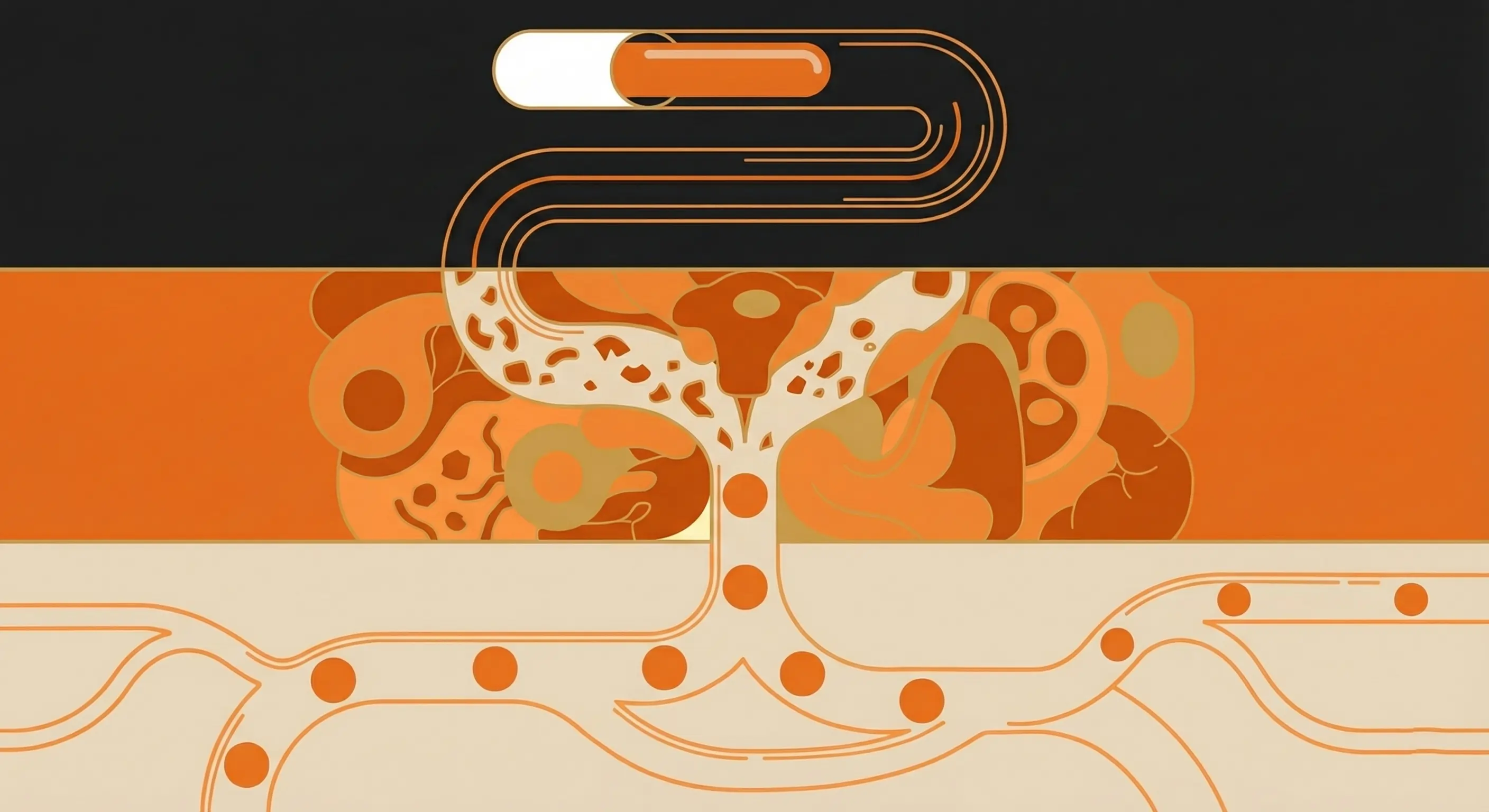
Bioavailability refers to the proportion of a nutrient or active substance that enters your body's circulation and is able to have an active effect. Simply eating a food doesn't mean your body utilises 100% of the nutrients it contains; bioavailability is the measure of what your body actually absorbs and uses for essential functions like energy production, cell repair, and immune support [1].
Why Bioavailability Matters
Understanding bioavailability is crucial because it explains why nutrient intake does not always equal nutrient status. You might consume a large amount of a specific mineral, such as iron or calcium, but if its bioavailability is low due to the food form or your digestion, your body may only benefit from a fraction of it. This concept is fundamental in nutrition science, pharmacology, and dietetics, helping us determine the true value of the foods and supplements we consume.
Factors Influencing Absorption
Several variables determine how bioavailable a nutrient is, ranging from the food's physical structure to your individual gut health. These factors can be broadly categorised into external factors (related to the food) and internal factors (related to your body).
Chemical Form and The Food Matrix
The chemical structure of a nutrient significantly dictates how easily it passes through the intestinal wall. For example, haem iron found in animal products is far more bioavailable than non-haem iron found in plant foods [2]. Additionally, the "food matrix"—the complex physical arrangement of nutrients within a food—can trap nutrients, making them harder to release during digestion compared to purified supplements [3].
Gut Health and Age
Your personal physiology, including stomach acid levels and the diversity of your gut microbiome, plays a gatekeeper role. As we age, stomach acid production often decreases, which can lower the bioavailability of nutrients like Vitamin B12 and magnesium [7].
Nutrient Interactions: Enhancers and Inhibitors
Nutrients do not work in isolation; they often compete with or assist one another during the digestive process. Understanding these relationships can help you structure meals to maximise uptake.
| Interaction Type | How It Works | Common Examples |
|---|---|---|
| Enhancers (Synergy) | One nutrient chemically changes another into a form that is easier for the gut to absorb, or helps transport it across the intestinal lining. |
|
| Inhibitors (Antagonists) | Certain compounds bind to minerals, forming insoluble complexes that the body cannot absorb and eventually excretes. |
|
Fat-Soluble vs. Water-Soluble Nutrients
The solubility of a vitamin is the primary factor dictating how it must be consumed to be bioavailable. If you are taking a fat-soluble vitamin on an empty stomach, its bioavailability is drastically reduced [6].
| Category | Specific Vitamins | Absorption Requirement | Storage in Body |
|---|---|---|---|
| Fat-Soluble | Vitamins A, D, E, and K | Must be eaten with dietary fat (e.g., avocado, olive oil, eggs) to dissolve and cross the intestinal wall. | Stored in the liver and fatty tissues for long periods; higher risk of toxicity if over-consumed. |
| Water-Soluble | Vitamin C and B-Complex (B12, Folate, etc.) | Dissolves easily in water; generally absorbed without specific food pairings. | Not stored in large amounts; excess is excreted in urine, requiring frequent dietary replenishment. |
Bioavailability Explained Simply
Think of bioavailability like ordering a parcel online. Buying the item (eating the food) is only the first step; the item is only useful to you once it is actually delivered through your front door and opened (absorbed into the bloodstream). Sometimes, the delivery van gets stuck in traffic, or the package is too big to fit through the letterbox. In the same way, just because you eat a nutrient doesn't mean it all gets "delivered" to your cells where it is needed.
Nutritionist's Corner: Final Thoughts
"Bioavailability is the missing link between what we eat and how we feel. It highlights that nutrition isn't just a numbers game; you aren't just what you eat, but rather what you absorb. To maximise this, I always encourage food pairing—like adding a squeeze of lemon to spinach to boost iron absorption, or ensuring you have olive oil with your salad to capture those fat-soluble vitamins. Focus on chewing your food well and maintaining good gut health, as these are the foundations for extracting the most value from your diet."
- Yusra Serdaroglu Aydin, MSc RD
References
Author

Yusra Serdaroglu Aydin, MSc RD
Head of Nutrition and Registered Dietitian
Yusra is a nutritionist with a multidisciplinary background in nutrition, food engineering, and culinary arts. During her education, her curiosity abo...