REM Sleep (Rapid Eye Movement)
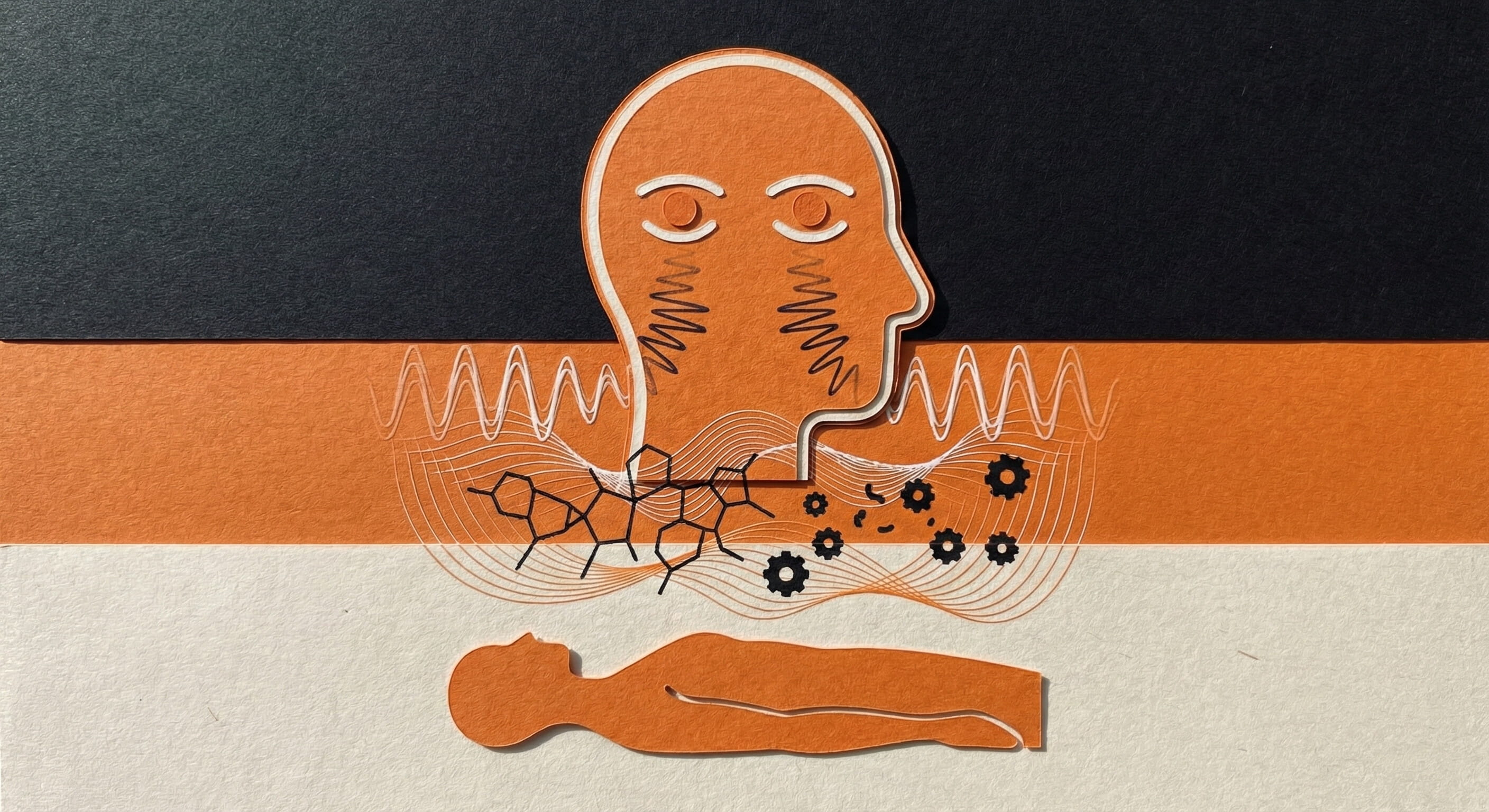
REM sleep is a unique phase of the sleep cycle characterised by rapid movements of the eyes, intense brain activity, and vivid dreaming, coupled with temporary muscle paralysis. Often referred to as "paradoxical sleep," it involves the brain behaving almost as if it is awake while the body remains completely relaxed. This stage is vital for cognitive functions such as emotional regulation, learning, and memory consolidation.
The Role of REM in the Sleep Cycle
REM sleep typically occurs approximately 90 minutes after you first fall asleep and reoccurs in cycles throughout the night. A full night of rest consists of four to six distinct cycles, moving between Non-REM (NREM) and REM stages. Importantly, the duration of REM sleep increases with each cycle; while your first REM period might last only 10 minutes, the final stages in the early morning can last up to an hour.
According to sleep data from the UK, the average adult spends roughly 20% to 25% of their total sleep time in REM [1], equating to about 90 to 120 minutes per night.
Why Your Brain Needs REM Sleep
The primary function of REM sleep is to support the brain's "software" updates, focusing on mental restoration rather than the physical repair that occurs during deep sleep. It serves several critical physiological purposes:
- Memory Consolidation: It helps the brain process new information, moving memories from short-term storage to long-term storage. This is crucial for learning new skills. [2]
- Emotional Processing: During this phase, the brain processes emotional experiences, stripping away the visceral "sting" of negative events [3]. This helps maintain mental health and reduce anxiety.
- Brain Development: In infants, REM sleep accounts for up to 50% of sleep time, playing a fundamental role in the rapid development of neural pathways [4].
REM Sleep vs. Deep Sleep (NREM)
Confusion often arises between Deep Sleep (Stage 3 NREM) and REM Sleep, but they serve different biological functions. The table below outlines the key differences between these two critical restoration phases.
| Feature | Deep Sleep (NREM Stage 3) | REM Sleep |
|---|---|---|
| Primary Benefit | Physical recovery, tissue repair, and immune system strengthening. | Mental recovery, memory processing, and emotional balance. |
| Brain Activity | Slow, high-amplitude delta waves. | Fast, low-amplitude waves similar to waking state. |
| Muscle Tone | Relaxed, but movement is possible. | Temporary paralysis (atonia) to prevent acting out dreams. |
| Dreaming | Rare and usually vague. | Frequent, vivid, and narrative-driven. |
Factors That Disrupt REM Sleep
Several lifestyle and environmental factors can specifically suppress REM sleep, leading to cognitive grogginess and irritability the next day. Common disruptors include:
Alcohol Consumption
While alcohol may help you fall asleep faster, it significantly suppresses REM sleep during the first half of the night [5]. As the alcohol metabolises, a "rebound effect" occurs, leading to fragmented sleep and vivid nightmares in the early morning.
Sleep Deprivation
If you cut your sleep short, you disproportionately lose REM sleep because the longest periods occur right before waking. Waking up after only 5 or 6 hours can mean missing out on 30% to 50% of your nightly REM requirement.
Medications
Certain antidepressants and blood pressure medications can reduce the duration of REM sleep [6]. It is important to consult with a GP regarding how prescriptions may impact sleep architecture.
Nutritionist's Corner: Final Thoughts
"Quality sleep is the foundation upon which nutrition is built; without it, our hunger hormones, ghrelin and leptin, become unbalanced, driving cravings for sugar and refined carbohydrates. To support healthy REM cycles, I advise clients to stop eating at least three hours before bed and to be mindful of alcohol intake, as it is a known REM-suppressor. Instead, consider a small, magnesium-rich evening snack, like a handful of pumpkin seeds, which can support the nervous system in winding down effectively."
- Yusra Serdaroglu Aydin, MSc RD
Sources
[1] Brinkman JE, Reddy V, Sharma S. Physiology of Sleep. [Updated 2023 Apr 3]. In: StatPearls [Internet]. Treasure Island (FL): StatPearls Publishing; 2025 Jan-. Available from: https://www.ncbi.nlm.nih.gov/books/NBK482512/
[2] Diekelmann, S., Born, J. The memory function of sleep. Nat Rev Neurosci 11, 114–126 (2010). https://doi.org/10.1038/nrn2762
Author

Yusra Serdaroglu Aydin, MSc RD
Head of Nutrition and Registered Dietitian
Yusra is a nutritionist with a multidisciplinary background in nutrition, food engineering, and culinary arts. During her education, her curiosity abo...