Visceral Fat
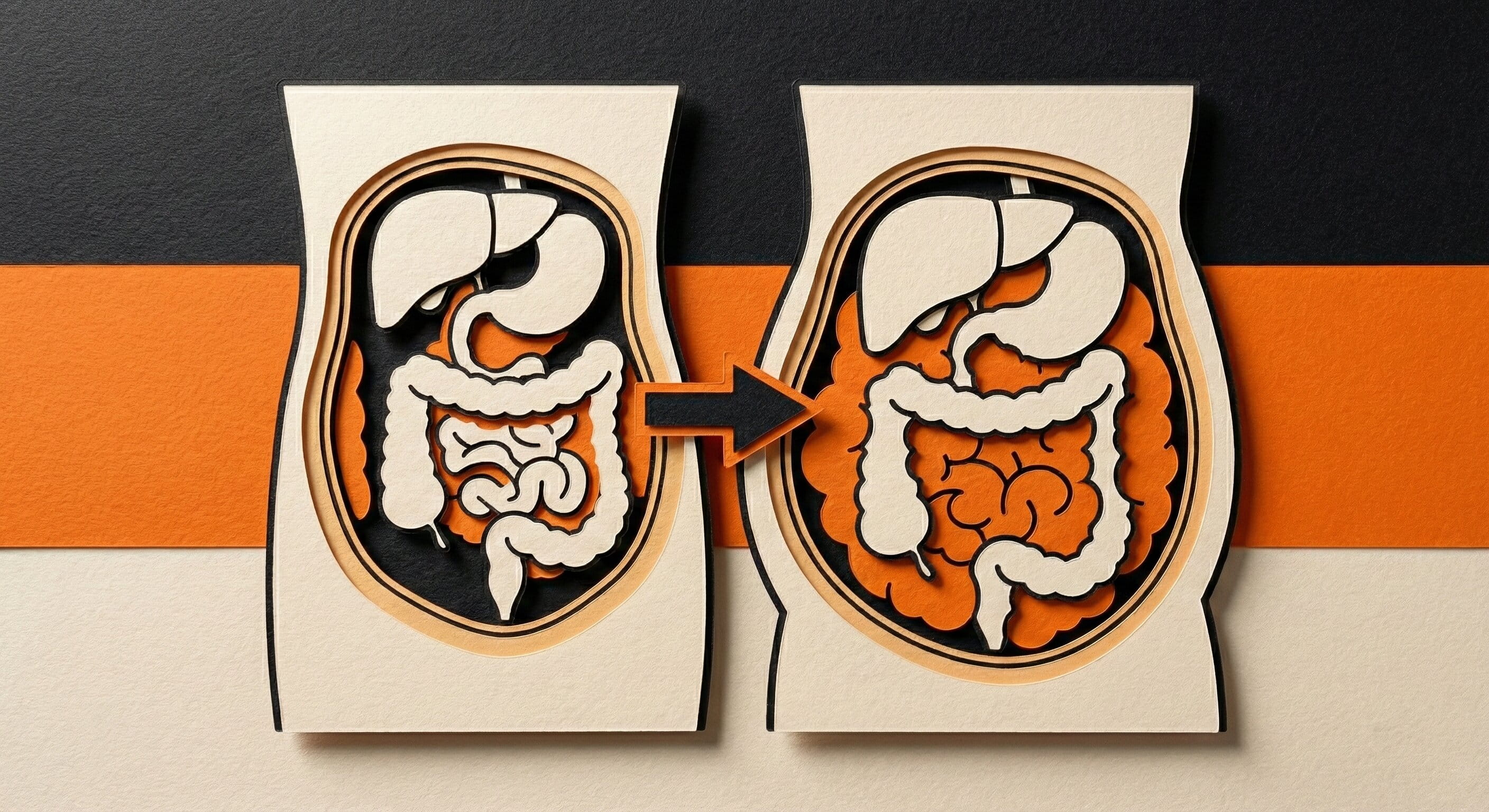
Visceral fat is a specific type of body fat that is stored within the abdominal cavity, wrapping around vital organs such as the liver, pancreas, and intestines. Unlike subcutaneous fat, which sits just under the skin and can be pinched, visceral fat is hidden deep inside the torso and is often referred to as "active fat" because it functions almost like an independent organ, releasing hormones and inflammatory substances that can actively harm your health.
Why Visceral Fat Is Dangerous
Visceral fat poses a greater health risk than other types of body fat because it is metabolically active and releases harmful chemicals called adipokines directly into the portal vein [1]. This anatomical position means that fatty acids and inflammatory markers are transported straight to the liver, where they can interfere with cholesterol production and insulin regulation.
High levels of visceral adipose tissue are strongly linked to several serious conditions, often collectively known as Metabolic Syndrome [2]:
- Type 2 Diabetes: It increases insulin resistance, making it harder for the body to control blood sugar.
- Heart Disease: It contributes to higher LDL (bad) cholesterol and blood pressure.
- Chronic Inflammation: It secretes cytokines, which keep the body in a constant state of low-grade inflammation.
Visceral Fat vs. Subcutaneous Fat
It is important to distinguish between the fat you can see and the fat you cannot, as they affect the body differently. The table below outlines the key differences between these two fat stores.
| Feature | Subcutaneous Fat | Visceral Fat |
|---|---|---|
| Location | Just beneath the skin (e.g., thighs, buttocks, arms). | Deep inside the abdomen, surrounding organs. |
| Visibility | Can be pinched or grabbed ("love handles"). | Not visible; pushes the stomach wall out (hard belly). |
| Health Risk | Lower risk; acts as energy storage and insulation. | High risk; actively damages metabolic health. |
| Responsiveness | Harder to lose quickly. | Responds quickly to diet and exercise changes. |
How to Measure Visceral Fat
You cannot determine how much visceral fat you have simply by stepping on a standard scale, as body weight alone does not tell the full story. While an MRI or CT scan is the only way to get a 100% accurate measurement, simple home methods can provide a strong indication of risk.
Waist Circumference
The most practical indicator is measuring your waist size. According to UK health guidelines provided by the NHS:
- Men: A waist measurement of 94cm (37 inches) or more indicates increased risk [3]. Above 102cm (40 inches) is high risk.
- Women: A waist measurement of 80cm (31.5 inches) or more indicates increased risk. Above 88cm (34.5 inches) is high risk.
To measure correctly, place a tape measure around your middle, just above your hip bone, and breathe out naturally before reading the number.
Waist-to-Hip Ratio (WHR)
This compares your waist measurement to your hip measurement. A ratio above 0.90 for men or 0.85 for women suggests that you are storing excess fat around your middle (apple shape), which is a sign of high visceral fat.
Effective Strategies for Reduction
The good news is that because visceral fat is metabolically active, it is the first type of fat to go when you start losing weight. It responds exceptionally well to lifestyle changes rather than quick fixes.
- Aerobic Exercise: Moderate to high-intensity aerobic activity (like brisk walking, running, or swimming) is one of the most effective ways to burn visceral fat [4].
- Reduce Added Sugars: Fructose, often found in sweetened drinks and processed foods, is a primary driver of visceral fat accumulation when consumed in excess [5].
- Manage Cortisol: Chronic stress triggers the release of cortisol, a hormone that specifically encourages the body to store fat in the abdominal region [6].
- Prioritise Protein: High-protein diets increase satiety and boost metabolism, helping to prevent the regain of abdominal fat.
Nutritionist's Corner: Final Thoughts
"Visceral fat is often the invisible enemy, but it is also the most responsive to positive change. Remember, that you cannot 'spot reduce' fat with crunches or sit-ups; you need a holistic approach. The most effective strategy is to combine a lower-carbohydrate diet with regular movement and stress management. By reducing sugar intake and focusing on whole, unprocessed foods, you lower your insulin levels, which signals your body to stop storing energy as visceral fat and start burning it for fuel."
- Yusra Serdaroglu Aydin, MSc RD
Sources
[4] Ohkawara, K., Tanaka, S., Miyachi, M. et al. A dose–response relation between aerobic exercise and visceral fat reduction: systematic review of clinical trials. Int J Obes 31, 1786–1797 (2007). https://doi.org/10.1038/sj.ijo.0803683
Author

Yusra Serdaroglu Aydin, MSc RD
Head of Nutrition and Registered Dietitian
Yusra is a nutritionist with a multidisciplinary background in nutrition, food engineering, and culinary arts. During her education, her curiosity abo...