Alzheimer’s Prevention Diet Plan: Which Foods Should You Eat and What To Avoid
Last Updated: 15 April 2026

This article explains how diet can play a meaningful role in Alzheimer’s Disease prevention by supporting brain health and reducing modifiable risk factors linked to dementia and cognitive decline.
Alzheimer’s Disease is a progressive neurodegenerative condition leading to cognitive decline. While there is no single cure, research supports nutrition as a powerful lifestyle and non-pharmaceutical intervention that can support cognitive health, vascular dementia risk reduction, and long-term prevention strategies.
The insights provided in this article are shared by Vivere’s Head of Nutrition, Yusra Serdaroglu Aydin, a registered dietitian with a background in nutrition, food engineering and culinary arts, whose science-led approach is shaped by personalised nutrition and a deep understanding of the human microbiome.
In One Sentence:
“A MIND Diet-style eating pattern that prioritises brain-supportive foods and limits inflammatory choices may help reduce the risk of Alzheimer’s Disease and slow cognitive decline”.
Key Takeaways
Can diet really lower Alzheimer’s risk? Evidence-based nutrition shows that consistent dietary adherence to brain-focused guidelines supports cognitive protective factors across early-onset prevention and late-life intervention.
What eating pattern is most recommended? The MIND Diet combines elements of Mediterranean and DASH dietary guidelines and is supported by research highlighted by organisations such as the Alzheimer’s Society.
Which foods matter most? Brain foods rich in antioxidants, healthy fats and micronutrients support long-term cognitive health.
What should be limited? Reducing inflammatory foods linked to vascular and metabolic risk factors is key to prevention.
Is consistency important? Current research shows that long-term dietary habits matter more than short-term perfection.
What is the MIND Diet?
The MIND Diet is an evidence-based eating pattern designed to reduce the risk of neurodegenerative conditions by combining principles from the Mediterranean diet and the DASH diet.
MIND stands for Mediterranean-DASH Intervention for Neurodegenerative Delay and was developed by researchers at Rush University Medical Centre to target brain health specifically, rather than general cardiometabolic outcomes.
This approach focuses on neuroprotection by reducing oxidative stress and inflammation while supporting blood pressure regulation, both of which influence beta-amyloid proteins and tau tangles associated with Alzheimer’s pathology.
Studies, including the MIND Trial, have shown that high adherence may be linked to up to a 53% reduction in Alzheimer’s risk, with benefits observed even when dietary changes begin later in life, reinforcing its relevance as a prevention strategy [1] [2].
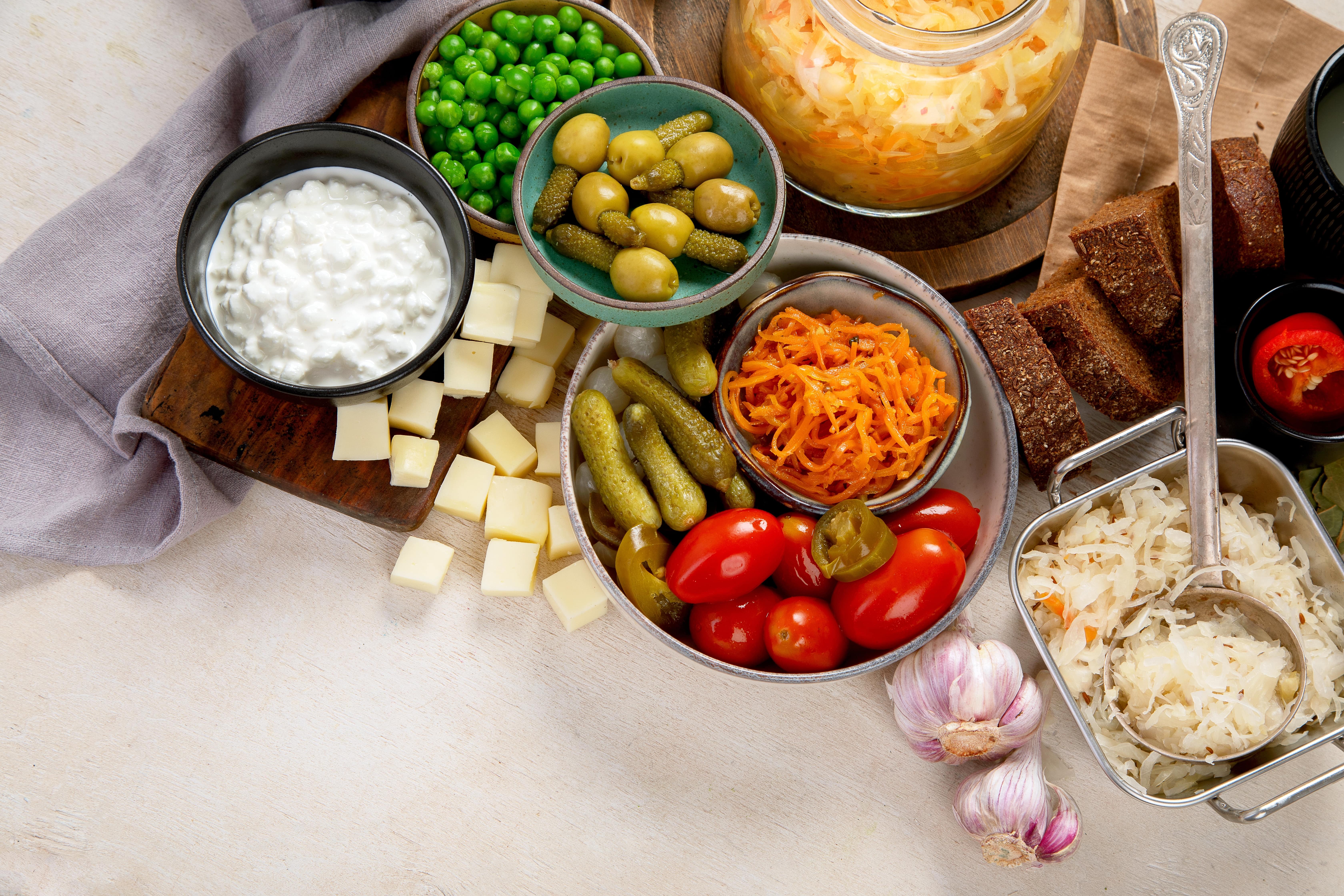
10 Brain-Friendly Foods to Eat
Brain-supportive foods provide neuroprotective nutrients that help maintain synaptic plasticity and support long-term brain function.
These functional foods supply micronutrients and phytonutrients with high bioavailability that work together to support cognition and resilience against age-related decline.
Green Leafy Vegetables
Green leafy vegetables are strongly associated with slower cognitive ageing due to their dense concentration of brain-supportive nutrients.
Foods such as kale, spinach, spring greens and cabbage provide vitamin K, lutein, folate (also known as vitamin B9), beta-carotene and dietary nitrate. These have been linked to cognitive age reduction through improved vascular function and neuronal protection. MIND diet guidelines suggest including at least 6 servings of green leafy vegetables per week.
Other Vegetables
A wide range of vegetables supports brain health by providing antioxidants and fibre that reduce inflammation.
Cruciferous vegetables and colourful options like bell peppers, carrots and broccoli are rich in flavonoids that support cellular defence and overall cognitive resilience. MIND diet guidelines suggest including at least 1 serving of a variety of vegetables per day.
Berries
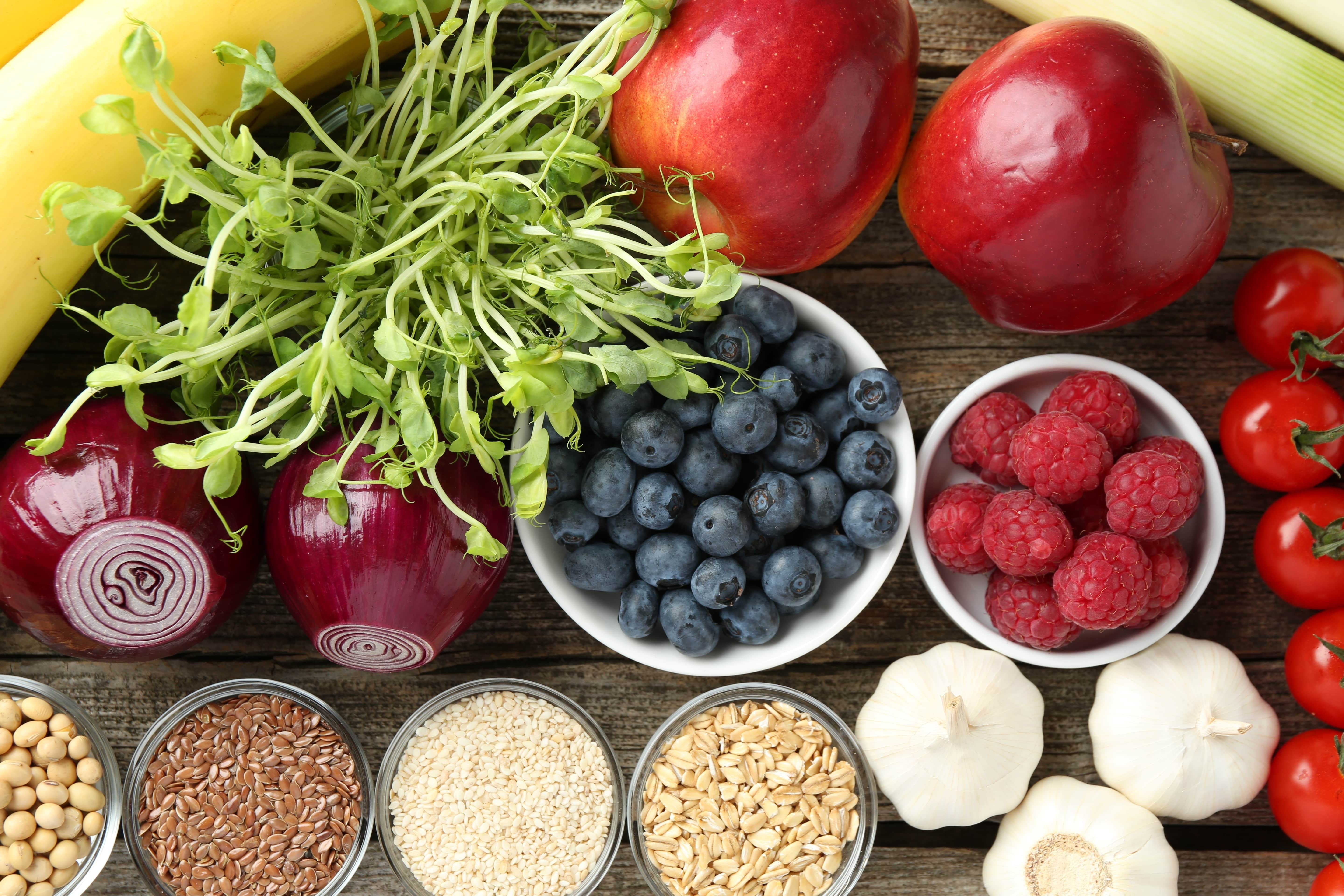
Berries are among the most studied foods for memory support due to their high flavonoid content.
Blueberries, strawberries and raspberries contain anthocyanins that cross the blood-brain barrier and are associated with improved memory retention and oxidative stress reduction [3]. At least 2 servings of berries per week are recommended.
Nuts
Nuts support brain health through healthy fats and antioxidant compounds.
Walnuts, almonds and hazelnuts provide vitamin E in the form of alpha-tocopherol, omega-3 fatty acids such as ALA and polyphenols that may help protect neurons from oxidative damage.
To get the full benefits from nuts, at least 5 servings per week are recommended, ensuring they are free from salt or other added flavours.
Whole Grains
Whole grains support stable energy delivery to the brain through improved glucose metabolism.
Oats, brown rice, quinoa and wholemeal bread have a lower glycaemic index and provide B vitamins and fibre that support cardiovascular health and cognitive function. MIND diet guidelines suggest including 3 or more servings of wholegrains per day.
Beans & Pulses
Beans and pulses are a cornerstone of plant-based brain nutrition.
Lentils, chickpeas and kidney beans supply plant protein, magnesium and folate which support overall heart and brain health and contribute to a balanced diet that may help maintain cognitive function as we age. Within the MIND diet guidelines, at least 4 meals per week should be focused on a variety of beans.
Oily Fish
Oily fish provide essential fats needed for brain structure and signalling.
Mackerel, salmon, sardines and trout are rich in omega-3 fatty acids, including DHA and EPA, which support cell membrane fluidity and provide anti-inflammatory benefits critical for brain ageing. Fish should be consumed at least once per week as part of the MIND diet.
Poultry
Poultry offers a lean protein option that supports brain function without excessive saturated fat.
Chicken and turkey supply vitamin B12, which is essential for neurological health, and is often low in older adults. Poultry should be consumed more frequently than red and provcessed meats, making up at least 2 meals per week for meat eaters.
Olive Oil
Olive oil is the primary fat recommended in brain-protective dietary patterns.
Extra virgin olive oil contains monounsaturated fats, oleocanthal, polyphenols and vitamin E, while cold-pressed rapeseed oil can be a suitable alternative with a similar fatty acid profile [4].
Wine
Moderate wine consumption may offer cognitive benefits when consumed responsibly.
Red wine contains resveratrol and polyphenols, and observational studies suggest a J-shaped curve, where moderate alcohol consumption may be protective, while excess intake increases risk. No specific amounts for wine are included in the MIND diet guidelines, and each person should assess their intake and risk level individually due to the individual and often complex risk that can be associated with alcohol intake.
5 Foods to Limit (Brain-Harming)
Certain foods contribute to inflammation and metabolic stress that can impair brain health.
These dietary risk factors may affect blood-brain barrier permeability, insulin resistance and the formation of advanced glycation end-products.
Butter & Margarine
Butter and many margarines are high in saturated fat and some processed margarines can include trans fats.
These fats contribute to arterial plaque formation and elevated cholesterol, increasing vascular risk linked to cognitive decline.
Cheese
Cheese can be problematic when consumed in excess due to its saturated fat and sodium content.
High-fat dairy intake has been associated with increased cardiovascular strain, which affects brain perfusion over time.
Red Meat
High intake of red and processed meat is linked to increased inflammation and oxidative stress.
Beef, lamb, and pork contain saturated fat and heme iron, which in excess may promote neuroinflammation. Processed meats contain nitrates and nitrites, which are associated with higher dementia risk [5].
Fried & Fast Food
Fried and fast foods expose the brain to oxidised oils and trans fats.
These foods contribute to systemic inflammation and vascular health damage, both of which are closely tied to Alzheimer’s risk.
Pastries & Sweets
Sugary foods negatively affect brain metabolism and insulin signalling.
Refined sugars such as glucose fructose syrupcause insulin spikes and have some links to chronic inflammation, reinforcing the concept of ‘Type 3 Diabetes’, which is often used to describe Alzheimer’s pathology.
Example Meal Plans recommended by Yusra
Balanced meal plans can make brain-supportive eating practical and sustainable.
Meat Eaters
For meat eaters, a sample day may include:
Porridge with berries and nuts for breakfast
A lentil and vegetable soup with wholemeal bread for lunch
Grilled salmon with steamed greens and quinoa for dinner
Vegetarians
For vegetarians, meals could include:
Overnight oats with seeds for breakfast
A chickpea and vegetable stir-fry with brown rice for lunch
A mushroom and spinach wholegrain pasta dish for dinner
Vegans
For vegans, options include:
Chia pudding with blackcurrants for breakfast
A mixed bean salad with olive oil dressing for lunch
Baked tofu with roasted vegetables and whole grains for dinner
More tailored nutritional advice based on individual needs can be accessed through Vivere’s gut microbiome test, which supports personalised dietary strategies.

Simple and Cost-Effective Switches That You Can Make Today
Small dietary changes aligned with UK guidance can support both health and affordability.
These swaps are consistent with the NHS Eatwell Guide and recommendations from the British Dietetic Association and British Heart Foundation while supporting sustainability and local produce.
Swap Blueberries for Blackcurrants
Blackcurrants are a UK-grown alternative rich in vitamin C and anthocyanins.
They provide similar cognitive benefits to blueberries and often cost less while supporting seasonal eating and reduced food miles [6].
Add Mushrooms for Ergothioneine
Mushrooms are one of the richest dietary sources of ergothioneine.
This antioxidant amino acid supports brain health and may contribute to long-term cognitive maintenance, with additional benefits from vitamin D in fortified varieties [7].
Follow the NHS Eatwell Guide
The NHS Eatwell Guide provides a balanced framework for brain-friendly eating.
It supports budget-friendly healthy eating by encouraging whole foods, appropriate portions and sustainable habits that align with long-term prevention [8].
However, there are certain core elements of the MIND diet that are not included in the Eatwell Guide, such as using olive oil as your primary cooking oil.
Nutritionist's Corner: Final Thoughts
“Supporting brain health through nutrition is about building sustainable habits that align with holistic health and the gut-brain axis. A dietary pattern that prioritises whole foods, reduces inflammation and supports lifestyle principles can contribute to long-term cognitive maintenance while complementing other non-pharmaceutical strategies such as physical activity, sleep and stress management.”
"The MIND Diet is backed by some encouraging research, but there’s still a lack of absolute, long-term data to confidently confirm its impact on Alzheimer’s prevention across wider populations. Much of the evidence is based on observational studies and dietary pattern associations, which makes it difficult to isolate cause and effect.
However, the findings are promising and consistently link brain-friendly nutrition with reduced cognitive decline and lower Alzheimer’s risk. Diet could play a meaningful role in Alzheimer’s prevention, but more robust, long-term trials are needed to fully validate its effectiveness."
Vivere helps you take control of your health with personalised insights from state-of-the-art gut microbiome testing, nutritional guidance, science-backed supplements, NAD injections and expert support. Sign up today and start living better, for longer.
Sources
[2] MIND diet associated with reduced incidence of Alzheimer's disease - ScienceDirect
Author

Yusra Serdaroglu Aydin, MSc RD
Head of Nutrition and Registered Dietitian
Yusra is a nutritionist with a multidisciplinary background in nutrition, food engineering, and culinary arts. During her education, her curiosity abo...
Peer Reviewed by

Emily Stuart, RD
Dietitian
Emily is a Registered Dietitian, health writer, and professional chef with a unique blend of clinical, culinary, and communication expertise. She has...