Apple's New Health Sensing System and "Most Accurate" Heart Rate Sensing: What Does It Mean for Your Health?
Last Updated: 14 September 2026
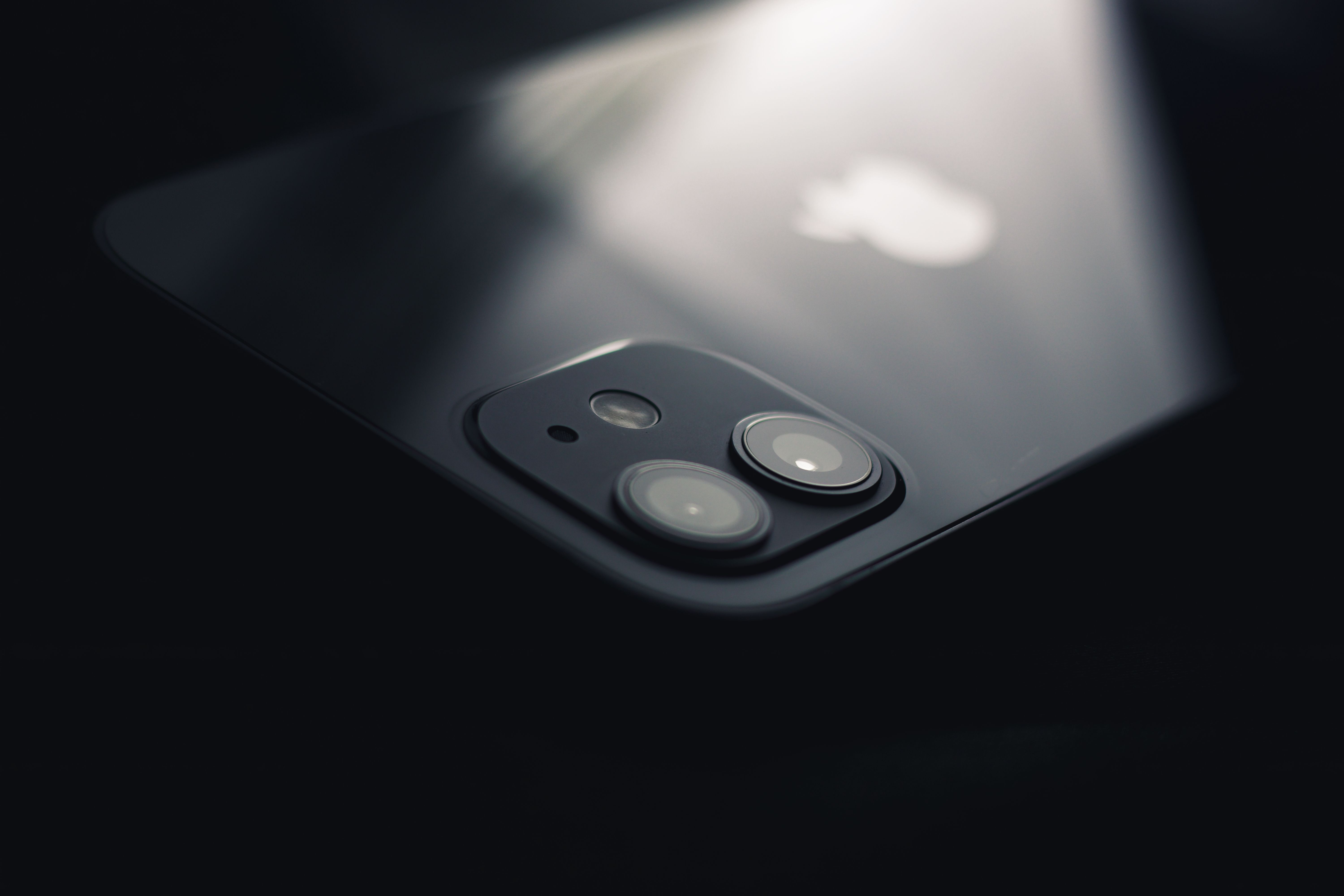
Apple's September 2026 announcement introduces a new Health Sensing System for Apple Watch alongside an AI-powered redesign of the Health app, bringing more frequent heart rate and heart rate variability measurements, readiness insights and new health-related tools to supported devices.
This article explains what these changes could mean for personal health and wellness technology, while also considering the capabilities and limits of consumer wearables. The insights provided here are from Yusra Serdaroglu Aydin MSc RD, Vivere's Head of Nutrition with a background in nutrition, food engineering and culinary arts. Her approach is grounded in science and shaped by a strong understanding of personalised nutrition and the human microbiome, providing independent lifestyle guidance that is not affiliated with Apple.
In One Sentence:
Apple's new Health Sensing System could make Apple Watch health data more frequent and useful for spotting personal trends, but features such as all-day heart rate, heart rate variability (HRV), daily readiness score and Health Age should be treated as wellness tools rather than medical assessments.
Key Takeaways
What did Apple actually announce? Apple announced its Health Sensing System for the Apple Watch Series 12 and Apple Watch Ultra 4, including more frequent heart rate and HRV measurements, a readiness score, Health Age and an AI-redesigned Health app.
Is it the most accurate heart rate wearable? Apple reports that its Apple Watch had the highest heart rate accuracy among the consumer wearables included in its own mid-2026 study, but this is not the same as proving clinical ECG-level accuracy in every situation.
Are these features medical grade? HRV, readiness and Vitals features are designed for wellness and motivation rather than diagnosing medical conditions, so they should not be treated as medical-grade assessments.
Will UK users get everything? UK availability is likely to differ from the US, with some features subject to regional and regulatory variation and Quest Diagnostics testing initially limited to the US.
How should you use the information? The greatest value may come from responding to longer-term patterns in sleep, activity, recovery and lifestyle habits rather than reacting to every individual number.
What Did Apple Actually Announce?
Apple announced a Health Sensing System that brings more frequent physiological measurements and new health insights to the Apple Watch Series 12, Apple Watch Ultra 4 and the redesigned Health app.
According to Apple's September 2026 announcement, the Health Sensing System combines information from the Apple Watch's optical and electrical heart sensors with other health and fitness data [1]. Apple says the system can measure heart rate every five seconds and HRV every five minutes, representing a substantial increase in measurement frequency compared with previous approaches.
The system is designed to work with Apple Intelligence and a redesigned Health app on iPhone. Rather than simply presenting individual measurements, the Health app is intended to help users interpret information and understand patterns over time.
One of the headline additions is a daily readiness score from 0 to 10. Apple describes readiness as a way of helping people understand how prepared they may be for activity based on information collected by the watch.
The announcement also includes Health Age, which compares aspects of a person's health and fitness profile with age-related expectations. At-home movement assessments are another addition, giving users a way to collect information about movement and physical capability without necessarily visiting a specialist setting.
Sumbul Desai, M.D., Apple's Vice President of Health and Fitness, has highlighted privacy as being central to the company's approach. Apple's wider health ecosystem also includes the Apple Heart and Movement Study, involving exercise scientists and physicians to explore relationships between Apple Watch measurements, movement and health.
Apple has positioned features such as readiness around practical daily decisions. Its examples include recommendations and prompts such as Recover, Pace Yourself and Ready, Go For It. These should be understood as guidance within a wellness ecosystem rather than instructions from a clinician.

How Accurate Is the New Heart Rate Sensor, Really?
Apple's "most accurate" heart rate claim is significant, but it means the Apple Watch performed best within Apple's own comparison of consumer wearables rather than establishing that it is equivalent to a clinical ECG in every circumstance.
Apple's own heart rate accuracy study reports that its watch had the highest heart rate accuracy among the commercial consumer wearables included in its mid-2026 testing [2].
That is useful information, but the wording matters. A comparison against consumer devices is different from an independent clinical trial demonstrating ECG-level accuracy across all users and activities.
Research provides some wider context. A systematic review of Apple Watch accuracy found generally good agreement between Apple Watch heart rate measurements and reference standards, although performance varied according to activity and testing conditions [3].
A Stanford study comparing seven wrist-worn devices also found that the Apple Watch had the lowest heart rate error in that particular study, at approximately 2% [4]. However, the researchers found that errors could increase during walking and in people with a higher BMI or darker skin tone.
These limitations are important because the Apple Watch primarily uses optical photoplethysmography, or PPG, for continuous wrist-based heart rate monitoring [5]. PPG works by detecting changes in blood volume beneath the skin using light.
Optical sensors can perform well, particularly when someone is resting or exercising at a relatively steady intensity. However, motion artefacts, poor skin contact, ambient light and differences in skin characteristics can affect measurements.
Activity type can make a substantial difference too. Research examining wrist PPG across different forms of exercise found strong performance during running but considerably greater errors during activities such as racket sports and football, where rapid and irregular arm movements can interfere with the optical signal [6].
Another study comparing the Apple Watch with ECG over 24 hours found acceptable overall heart rate agreement, at approximately 95%, but identified limitations during unstructured everyday activities [7].
What this means for you
Apple Watch readings are most useful as trends rather than clinical values, particularly when you are looking at a week-to-week pattern rather than reacting to one unusual number.
For everyday fitness and wellness, repeated measurements can provide useful context. If your resting heart rate, exercise heart rate or HRV changes consistently compared with your normal baseline, that may be worth considering alongside factors such as sleep, training, illness, stress and lifestyle.
A single number should not automatically be interpreted as evidence that something is wrong or right. Wearing the watch with a snug but comfortable fit and keeping the sensor in the correct position can also help maintain reliable contact with the skin.
What Are HRV, Readiness and Health Age, and Are They Medical?
HRV, readiness score and Health Age are wellness and motivation features that can help users understand personal patterns, but they are not medical diagnoses and should not replace clinical assessment.
Heart rate variability refers to the variation in time between individual heartbeats. It is normal for these intervals to change rather than remain identical.
HRV is influenced by numerous factors including sleep, physical activity, stress, illness, recovery and individual physiology. It is therefore better viewed in relation to a person's own normal pattern than as a universal score where higher or lower is automatically better.
Apple's Vitals and related features are intended for wellness use only [1]. The company's Health Sensing System uses information from heart rate, HRV and other measurements to provide context around areas such as recovery and daily wellbeing rather than diagnosing disease.
Research comparing wrist-based HRV with ECG provides another important qualification [8]. Under resting conditions, wrist PPG can provide reliable HRV measurements, but agreement with ECG can become weaker with movement and certain physiological factors.
This is particularly relevant when interpreting Recovery HRV and overall HRV. A change may reflect altered recovery, stress or sleep, but the measurement cannot tell you exactly why that change has occurred.
Health Age works differently. Rather than measuring a single physiological variable, it provides a broader comparison based on factors such as activity, vitals, sleep and VO2 max alongside other information. It can offer a useful perspective when compared with chronological age, but it remains a signpost rather than a clinical assessment of cardiovascular health [9].
The same principle applies to a readiness score. A lower score may encourage you to consider whether you have had enough sleep or whether you have recently trained hard. A higher score may provide reassurance that your recent recovery appears consistent with your usual pattern. Neither result is a medical diagnosis.
Please remember
A wearable can flag patterns, but it cannot diagnose the underlying cause of those patterns.
If a persistent change in your measurements concerns you, particularly alongside symptoms such as chest pain, breathlessness or palpitations, do not rely on a reassuring wearable score. Contact your GP or NHS 111 for appropriate advice and seek urgent medical attention when symptoms are severe or potentially life-threatening.
A wearable should support health awareness, not delay a symptom check.
Is It Available in the UK, and What About the Quest Lab Tests?
The Apple Watch health update will reach UK users, but the full range of features may not be available at the same time or in the same form as they are in the United States.
Apple's watchOS 27 release is scheduled for 14 September 2026, with supported devices including Apple Watch Series 9 or later, Apple Watch SE 3 and Apple Watch Ultra 2 or later for the relevant software ecosystem.
The redesigned Health app is expected to roll out later in the year, with US English receiving some features first. Regional and regulatory variation means that users should not assume that every feature demonstrated by Apple will immediately be available in the UK.
This is particularly important when considering the new laboratory testing element involving Quest Diagnostics. Apple has announced access to more than 50 biomarkers through Quest Diagnostics in the US, with the testing service priced at $119. These are private blood tests rather than NHS tests, and the Quest offering is US-only.
For UK users, the practical distinction is therefore between on-device tools and external laboratory services. The Health Sensing System, Apple Watch measurements and other on-device features are part of the Apple ecosystem, while access to external blood testing depends on geography and the relevant service.
UK users should check Apple's UK information for the latest availability rather than assuming that a feature announced in the United States will be available locally at launch.
How Do You Turn Wearable Data Into Real Health Gains?
The most useful way to turn wearable data into action is to use it as a prompt for healthier routines around sleep, movement, nutrition and stress rather than allowing individual numbers to dictate your behaviour.
A readiness score can be useful if it encourages you to consider how you are recovering. Similarly, a sustained change in HRV may prompt you to look at sleep, training load, stress or other lifestyle factors.
The aim should be to respond to trends rather than daily numbers.
"Metrics should be treated as feedback, not marching orders. The most valuable outcome is curiosity about your body and using that information to build sustainable habits rather than becoming focused on individual numbers."
A readiness score or HRV measurement can provide gentle feedback, but it should ultimately support practical decisions such as protecting consistent sleep, maintaining regular movement, managing stress and moderating evening alcohol.
Technology can make these behaviours easier to notice. It cannot replace the behaviours themselves.
Physical fitness is particularly important. A large study found that higher cardiorespiratory fitness was strongly associated with lower mortality, with benefits continuing across increasing levels of fitness rather than reaching a clear upper limit.
This puts wearable technology into perspective. A device may make it easier to monitor activity, exercise and recovery, but the health benefit comes from the underlying lifestyle.
NHS Live Well guidance also provides a useful foundation for everyday health, including advice around physical activity, sleep and healthy eating [10].
Where nutrition fits
Nutrition should provide the foundation for recovery and wellbeing rather than becoming another set of numbers to micromanage.
There is no single food that can reliably change your HRV overnight. A more useful approach is to focus on a varied, whole food based diet containing a broad range of vegetables, fruit, wholegrains, pulses, nuts and seeds alongside suitable sources of protein.
Adequate protein can support normal maintenance and recovery, while sufficient hydration helps support normal physiological function. Regular meals that provide steady energy can also make it easier to maintain activity and recover from exercise.
The objective is not to adjust every meal because an Apple Watch gives you a lower readiness score. Instead, use the information as one part of a wider picture.
If your data repeatedly suggests that recovery is poor, consider the fundamentals first: Are you sleeping consistently? Are you exercising appropriately for your current fitness level? Are you eating enough nutritious food? Are you managing stress? Are you drinking enough water? Are you regularly drinking alcohol in the evening?
These questions are often more useful than trying to find one food, supplement or metric that will produce a rapid change.
Frequently Asked Questions
When can I get the new Apple Watch health features in the UK?
The watchOS 27 rollout begins on 14 September 2026, but the redesigned Health app and individual health features may arrive at different times depending on the device, region and regulatory requirements.
Supported Apple Watch models include Series 9 or later, Apple Watch SE 3 and Apple Watch Ultra 2 or later for the relevant watchOS 27 features. Some elements are being introduced in US English first, so UK availability may differ.
Apple's UK information should be checked for the latest local rollout details.
Is the Apple Watch heart rate monitor accurate enough to rely on?
The Apple Watch can provide useful heart rate information for everyday fitness and tracking personal trends, with research showing good performance in many circumstances.
Apple's own study found its device had the highest heart rate accuracy among the consumer wearables it tested, while independent research has also generally found good agreement with reference measurements.
However, it remains a wellness sensor rather than a replacement for a medical ECG. Accuracy can be strongest at rest and during steady exercise, while vigorous jerky movement can create greater errors. A loose fit or poor sensor contact can also affect readings.
Can the Apple Watch diagnose a heart problem?
The Apple Watch can identify certain irregular patterns or provide health-related alerts, but these features do not mean that the watch can diagnose a heart problem.
Symptoms remain more important than a reassuring device reading. Chest pain, breathlessness or palpitations should not be dismissed because a wearable gives you a normal or favourable score.
Speak to your GP or NHS 111 when you need medical advice and seek urgent help for serious symptoms.
What is a good HRV or readiness score?
There is no single good HRV or readiness score that applies to everyone.
HRV varies substantially between individuals and can change according to sleep, stress, illness, exercise and other factors. Comparing your current measurement with your personal trend over time is generally more useful than comparing it with another person's number.
In broad terms, higher HRV and readiness may suggest better recovery for an individual, but the important consideration is whether the measurement is consistent with your own baseline and wider circumstances.
Do I need a subscription to use these features?
Core Apple Watch health and fitness metrics do not require a separate subscription simply to collect the measurements.
This differs from some rival fitness trackers, where advanced analysis may sit behind a subscription. Future Apple Intelligence features may also have different requirements or limitations, so users should check Apple's current terms and conditions when the relevant features become available.
Nutritionist's Corner: Final Thoughts
“It is encouraging to see more people seeking information to make informed choices about their health. As technology continues to evolve, new features are being introduced every day, and Apple is taking another step forward in wearable health technology with encouraging accuracy and performance for certain metrics.
However, it is important to remember that these features are intended for wellness use only. New tools such as the readiness score, HRV and Health Age are best treated as helpful insights into personal patterns, rather than diagnosis or clinical conclusions.
The most important part of using wellness insights is turning the information into practical, actionable steps. Depending on the patterns you observe, this might mean paying closer attention to your sleep and recovery, adapting your exercise routine or incorporating more regular movement into your day.
Nutrition also plays an important role. Alongside these lifestyle habits, a varied, colourful, whole-food-based diet with adequate protein and good hydration provides a practical foundation for better health.
Finally, wearable data should complement professional healthcare, not replace it. If you experience persistent or recurring symptoms, or notice changes that concern you, make sure you seek appropriate advice from a qualified healthcare professional.”
Vivere helps you take control of your health with personalised insights from state-of-the-art gut microbiome testing, nutritional guidance, science-backed supplements, Liposomal NAD capsules, NAD injections and expert support. Sign up today and start living better, for longer.
Sources
[1] Apple advances health and fitness capabilities using Apple Intelligence
[2] Apple Watch Heart Rate Accuracy Study
[5] Investigating sources of inaccuracy in wearable optical heart rate sensors | npj Digital Medicine
[7] Accuracy of Consumer Wearable Heart Rate Measurement During an Ecologically Valid 24-Hour Period
[10] Healthy living - NHS
Author

Yusra Serdaroglu Aydin, MSc RD
Head of Nutrition and Registered Dietitian
Yusra is a nutritionist with a multidisciplinary background in nutrition, food engineering, and culinary arts. During her education, her curiosity abo...