Biohacking Blood Sugar: The Microbiome's Role in Glucose Spikes
Last Updated: 25 September 2026
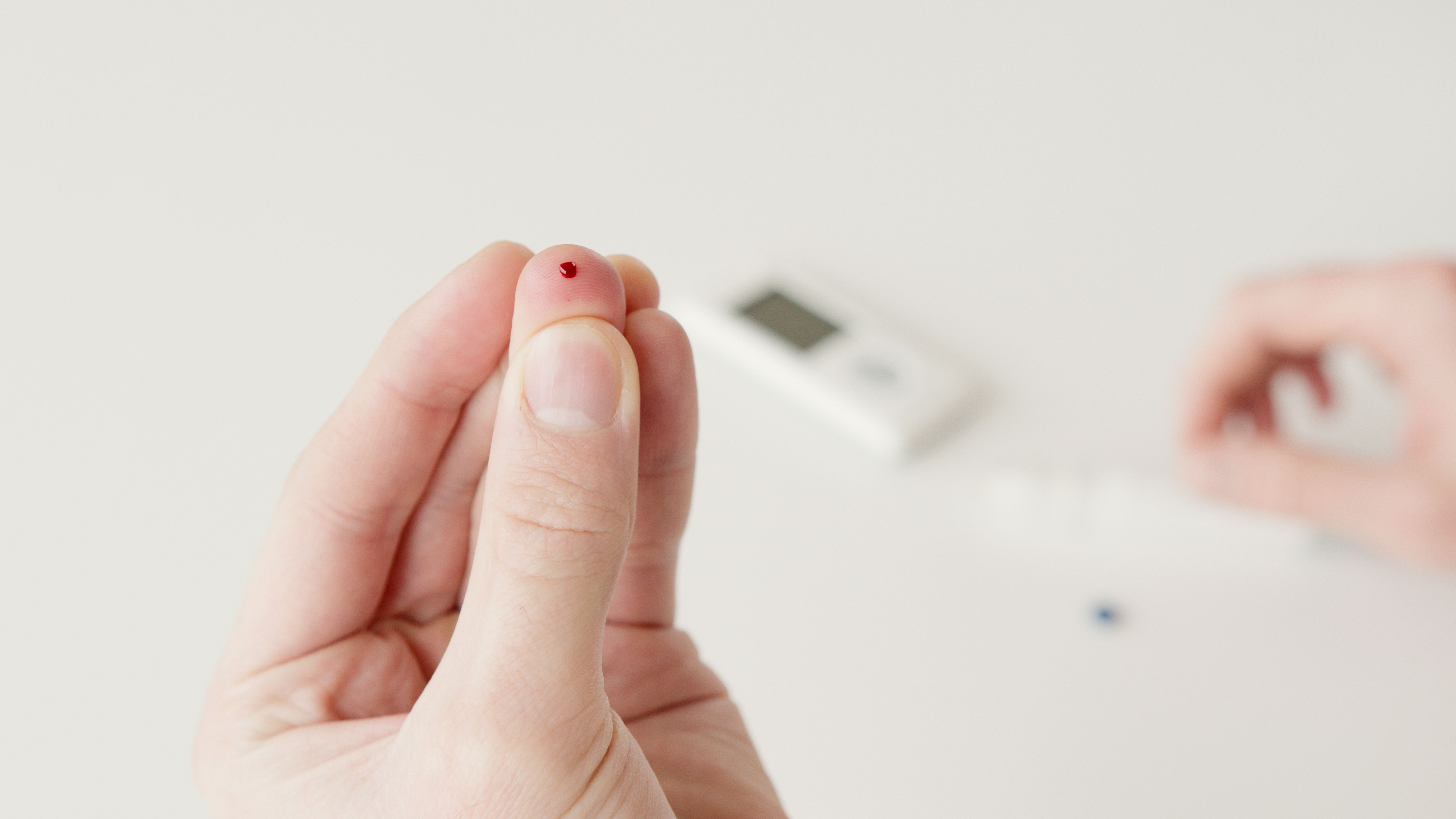
Many people now use wearable technology to monitor their health. You may even wear a continuous glucose monitor (CGM) on your arm to see how your body responds to different foods. It can be very confusing when a "healthy" food like a banana causes a huge crash in your energy, while a slice of pizza keeps you feeling fine. The missing puzzle piece is not the food itself. The real secret to controlling your energy is understanding the bacteria living inside your gut.
In One Sentence
Your gut bacteria can influence how your body responds to sugar after a meal, including post-meal blood glucose levels. A gut microbiome test may help guide a more personalised nutrition approach by feeding your unique microbiome.
Key Takeaways
Why does healthy food sometimes make me feel tired? If your gut microbiome is not well balanced, your body may respond to healthy carbohydrates with a faster rise and fall in blood sugar, which can leave you feeling tired after meals.
Can gut bacteria change how my body uses sugar? Yes. Beneficial bacteria produce compounds such as short-chain fatty acids that help support blood sugar control and steadier energy levels throughout the day.
How can I biohack my blood sugar? By taking a gut test, you can identify patterns in your microbiome and use targeted nutrition to support the bacteria involved in blood sugar balance.
Why do different people have different blood sugar spikes from the same food?
Different people can have different blood sugar responses to the same food because their gut microbiomes, metabolism, and other biological factors process carbohydrates in individual ways. This personal reaction is called the glycaemic response, and the gut microbiome is one of the factors that can influence it.
If two people eat the same bowl of white rice, their bodies may respond differently. Person A may have a steadier energy response, while Person B may experience a larger rise and fall in blood sugar. Part of this variation may be linked to differences in the gut microbiome, including how gut bacteria interact with carbohydrate metabolism and post-meal glucose regulation.
This proves that standard diet advice does not work for everyone. You should eat for your specific biology. Science shows that looking at your gut bacteria is one of the most accurate ways to predict how your blood sugar will react to a meal [1].
How do continuous glucose monitors (CGMs) link to gut health?
Continuous glucose monitors (CGMs) can show you when your glucose rises and falls through the day, while a detailed gut test may provide additional insight into microbiome patterns linked to blood sugar responses. Together, they can help guide a more personalised approach to daily sugar management.
Wearing a CGM on your arm is a very popular biohacking trend. It is fantastic for gathering data. However, data is useless if you do not know how to fix the problem.
If your monitor shows that oats lead to a higher glucose response, you might just stop eating oats. But cutting out healthy foods is not a long-term fix. A gut test can add another layer of personalised information by showing microbiome patterns that may be associated with carbohydrate metabolism and post-meal glucose regulation.
What is Prevotella copri, and how does it affect blood sugar?
Prevotella copri is a highly specific type of gut bacterium that significantly improves how your body handles carbohydrates. Having high levels of this microbe may keep your blood sugar stable after eating meals like rice or bread, preventing big spikes and sudden energy crashes.
This bacterium helps break down certain plant carbohydrates and is linked with metabolic pathways involved in glucose handling. Through these processes, it may contribute to a steadier response to carbohydrates in some individuals.
How does dietary fibre fermentation help reduce glucose spikes?
Dietary fibre fermentation can help support a steadier blood sugar response because beneficial gut bacteria break down fibre into short-chain fatty acids. These compounds help support glucose regulation, appetite signals, and other metabolic processes linked to post-meal blood sugar control.
Fibre is an important fuel source for gut microbes. When you eat foods such as beans, vegetables, and whole grains, some of that fibre reaches the gut, where microbes ferment it and produce beneficial compounds. This process supports the gut environment and can contribute to a more balanced metabolic response after meals.
With regular fibre intake and a supportive gut microbiome, blood sugar responses may become steadier through the day. This is one reason why fibre-rich foods are often included in nutrition strategies for better metabolic health.
Can fixing your gut bacteria improve metabolic flexibility?
Supporting a healthier gut microbiome may improve metabolic flexibility by helping your body switch more efficiently between using glucose from food and your own stored fat for energy. This can support steadier energy levels and better metabolic balance.
Think of your body like a hybrid car. A hybrid car can use electricity or petrol, switching between them smoothly. In a similar way, a metabolically flexible body can move more easily between using food energy and stored energy.
When your metabolism is more flexible, your body can respond more efficiently to changes in energy supply, which may support more stable energy and appetite control.
Gut microbes and their short-chain fatty acids are part of this process because they influence metabolic signaling and energy regulation.
By supporting your microbiome with targeted nutrition, you may help improve the metabolic signals involved in energy use and metabolic flexibility.
Frequently Asked Questions
Can balancing my gut bacteria cure diabetes?
While balancing your microbiome cannot cure diabetes, it is a powerful way to help manage your daily blood sugar levels and improve how your body responds to insulin.
Should I wear a glucose monitor while fixing my gut?
Using a CGM while working on your gut health can be motivating. You may see your blood sugar spikes getting smaller as your good bacteria levels increase over time.
Are artificial sweeteners bad for my blood sugar bacteria?
Artificial sweeteners can influence the gut microbiome and, in some people, may affect glucose responses, so their effects can vary depending on the type of sweetener and the individual.
Nutritionist's Corner: Final Thoughts
“The biohacking community has widely embraced continuous glucose monitors, which can be a valuable tool for awareness. When a healthy complex carbohydrate leads to a strong glucose response, it can reflect a combination of factors, including your gut microbiome, meal composition, activity, and individual metabolism. Microbes such as Prevotella copri and the gut’s capacity to ferment dietary fibre may play a role in how some people respond to carbohydrate-rich foods. By testing your gut, we move beyond tracking patterns alone. We can use personalised nutrition to support your bacterial ecosystem and encourage the metabolic signals involved in glucose control, energy balance, and metabolic flexibility, helping you enjoy a wider variety of foods with steadier energy.”
Sources
Author

Yusra Serdaroglu Aydin, MSc RD
Head of Nutrition and Registered Dietitian
Yusra is a nutritionist with a multidisciplinary background in nutrition, food engineering, and culinary arts. During her education, her curiosity abo...