Drinking Tea Diet: What is a detox tea diet, and is it recommended?
Last Updated: 29 April 2026
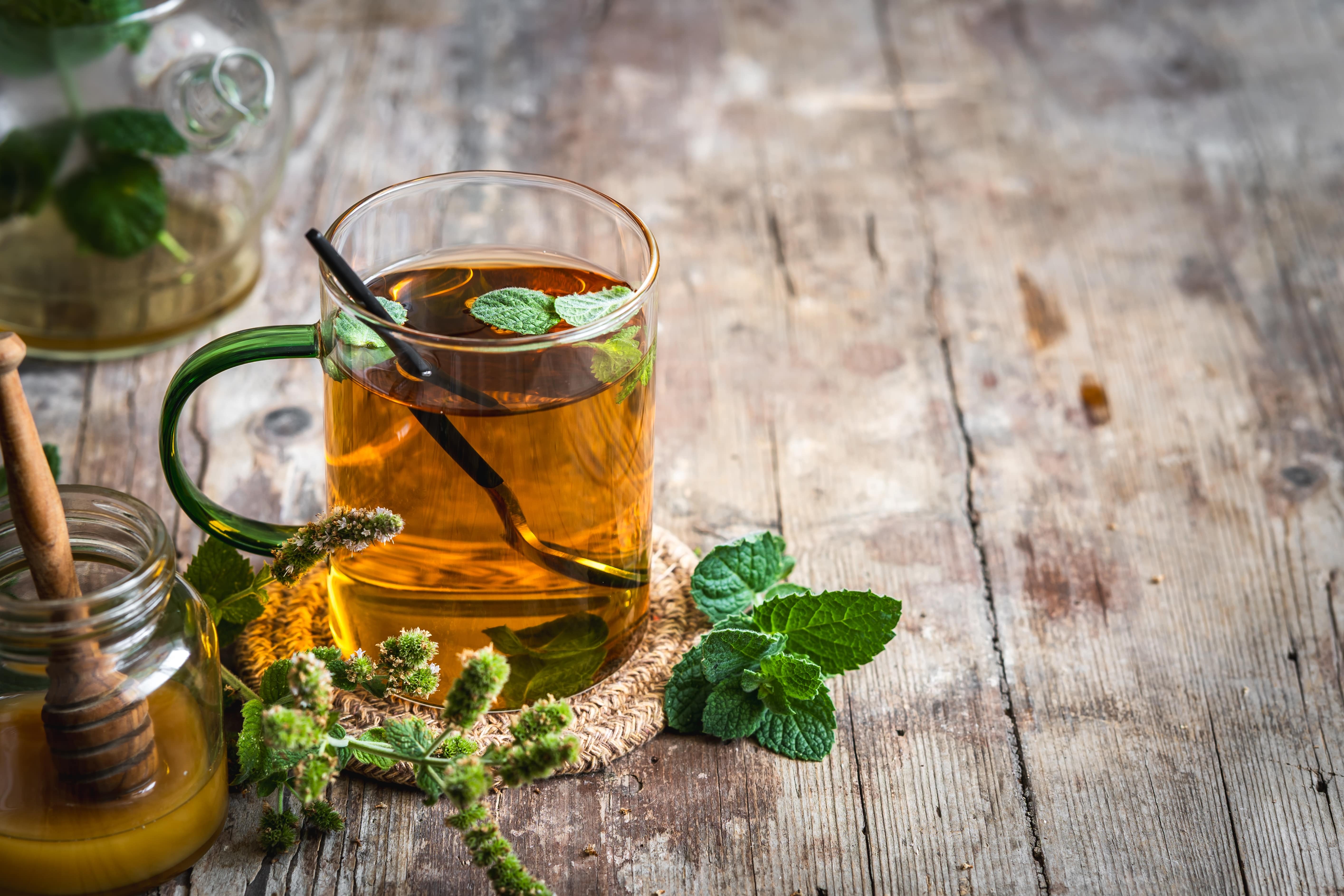
Detox tea diets have become popular across the UK, often promoted as a simple way to cleanse the body, support weight loss and improve digestion. This article explains what a detox tea diet is, whether it works, and the potential risks involved, using clear and evidence-based guidance.
The insights provided in this article are provided by Vivere's Head of Nutrition, Yusra Serdaroglu Aydin, a registered dietitian with a background in nutrition, food engineering and culinary arts. Her approach is grounded in science and shaped by a strong understanding of personalised nutrition and the human microbiome.
In One Sentence:
A detox tea diet involves drinking herbal teas marketed for cleansing or weight loss, but evidence does not support their benefits, and experts generally do not recommend them.
Key Takeaways
What is a detox tea diet? It is a short-term plan that replaces or supplements meals with herbal teas claiming to remove toxins from the body.
Do detox teas help with weight loss? Any short-term weight change is usually due to water loss rather than fat loss , and muscle loss can also occur.
Are detox teas safe? Many contain stimulant laxatives such as senna, which can cause harm if used regularly.
What are the main side effects? Common issues include dehydration, electrolyte imbalance, gut irritation and reduced nutrient absorption.
What should you drink instead? Traditional teas like green tea, peppermint, ginger and oolong offer safer benefits when part of a balanced diet.
What is a detox tea diet?
A detox tea diet is a regimen that focuses on consuming herbal teas marketed to cleanse the body of toxins and support weight loss.
These diets usually involve drinking specific blends once or several times a day, sometimes alongside restricted food intake, with claims that the teas help flush toxins, reduce bloating and improve metabolism.
According to published research, the concept of detoxification through teas is not supported by scientific evidence, as the body already has effective detox systems in the liver, kidneys and gut [1]. Many detox teas include herbs with laxative or diuretic effects, which may give the impression of cleansing but do not remove toxins at a cellular level.
Do detox teas actually work for weight loss?
Detox teas do not lead to sustainable or healthy weight loss. Any reduction seen on the scales is typically due to fluid loss from increased bowel movements or urination rather than a reduction in body fat.
This type of weight change is temporary and often reverses once normal eating and drinking resume. There is no credible evidence that detox teas increase fat burning or improve long-term metabolic health.
From a nutritional perspective, relying on teas instead of balanced meals can also reduce protein, fibre and micronutrient intake, which may negatively affect muscle mass, gut health and energy levels over time.
The Risks: Why The NHS And Experts Urge Caution
Health authorities and experts urge caution because many detox teas contain stimulant laxatives such as senna.
Senna works by stimulating bowel contractions, which can lead to dependency if used frequently, meaning the gut may struggle to function normally without it. Clinical guidance highlights that long-term or excessive use can cause abdominal pain, chronic diarrhoea and electrolyte disturbances [2].
The NHS also advises that senna should only be used short-term for constipation and not for weight loss or detox purposes [3]. Using these products outside of medical advice increases the risk of harm, particularly for people with digestive conditions or those taking medications.
Common Side Effects Include:
Detox teas are associated with several side effects that can affect overall health and well-being.
Dehydration can occur due to increased fluid loss, especially when teas have diuretic or laxative properties.
Electrolyte imbalance may develop as sodium and potassium are lost through frequent bowel movements, which can affect heart rhythm and muscle function.
Gut irritation is common, with symptoms such as cramps, bloating and diarrhoea caused by stimulant herbs.
Nutrient malabsorption may also occur when food passes too quickly through the digestive tract, reducing the body’s ability to absorb vitamins and minerals properly.
Interactions of Some Detox Teas With Medications
Some detox teas can interfere with prescription and over-the-counter medicines.
Laxative ingredients like senna may reduce the absorption of medications by speeding up gut transit time, which can make treatments less effective.
Diuretic herbs may also affect medicines that rely on stable fluid and electrolyte levels, such as heart or blood pressure medications. This is particularly relevant for people managing long-term conditions.
Healthier Alternatives: The Real "Super Teas"
Traditional teas can support health without the risks linked to detox products.
These options work best as part of a balanced diet and healthy lifestyle, offering gentle benefits rather than extreme effects. Examples include:
Green Tea and Matcha
Green tea and matcha support metabolism and antioxidant intake in a safe and evidence-based way.
Research suggests that compounds called catechins in green tea may support fat oxidation and metabolic health when combined with regular physical activity [4].
Matcha provides similar benefits but with a higher concentration of antioxidants, as the whole leaf is consumed. Unlike detox teas, these do not rely on laxative effects and are widely considered safe for regular consumption in moderate amounts.
Peppermint and Ginger
Peppermint and ginger teas support digestion and gut comfort.
Peppermint has been shown to help relax the digestive tract, which may ease bloating and abdominal discomfort, while ginger supports gastric emptying and may reduce nausea [5]. These teas are particularly useful for people experiencing digestive sensitivity and align well with a microbiome-friendly approach to nutrition.
Oolong Tea
Oolong tea offers metabolic benefits without extreme stimulation.
Studies indicate that oolong tea may support energy expenditure and fat oxidation, sitting somewhere between green and black tea in terms of processing and flavour [6]. It provides a gentle caffeine boost alongside polyphenols that support overall health, making it a safer alternative to detox blends.
Nutritionist's Corner: Final Thoughts
Detox tea diets promise quick results but rely on mechanisms that do not support true detoxification or long-term health. In many cases, they may do more harm than good. A science-led approach focuses on supporting the body’s natural detox systems through hydration, fibre-rich foods, balanced meals and evidence-based drinks like traditional teas.
"Detox tea diets are widely marketed, but when you actually look at the evidence, there’s a clear lack of solid data supporting their claimed benefits. The rapid initial weight loss many will experience on these detoxes comes down to short-term water loss rather than anything meaningful or sustainable, and the research doesn’t show real impact on fat loss or detoxification.
That said, while the concept itself isn’t backed by science and comes with some risks, there is still interest in how certain traditional teas (like green tea or ginger) may offer gentle, evidence-based health benefits and can offer a refreshing, accessible and safe addition to your healthy lifestyle routine".
Vivere helps you take control of your health with personalised insights from state-of-the-art gut microbiome testing, nutritional guidance, science-backed supplements, NAD injections and expert support. Sign up today and start living better, for longer.
Sources
[1] Detox diets for toxin elimination and weight management: a critical review of the evidence - PubMed
[2] Senna - LiverTox - NCBI Bookshelf
[3] Common questions about senna - NHS
[6] Beneficial effects of oolong tea consumption on diet-induced overweight and obese subjects - PubMed
Author

Yusra Serdaroglu Aydin, MSc RD
Head of Nutrition and Registered Dietitian
Yusra is a nutritionist with a multidisciplinary background in nutrition, food engineering, and culinary arts. During her education, her curiosity abo...
Peer Reviewed by

Emily Stuart, RD
Dietitian
Emily is a Registered Dietitian, health writer, and professional chef with a unique blend of clinical, culinary, and communication expertise. She has...