How Do the Microbiomes of Different Diets Compare? Vegan, Vegetarian, Mediterranean, Western, Keto and Low-Carb
Last Updated: 25 June 2026
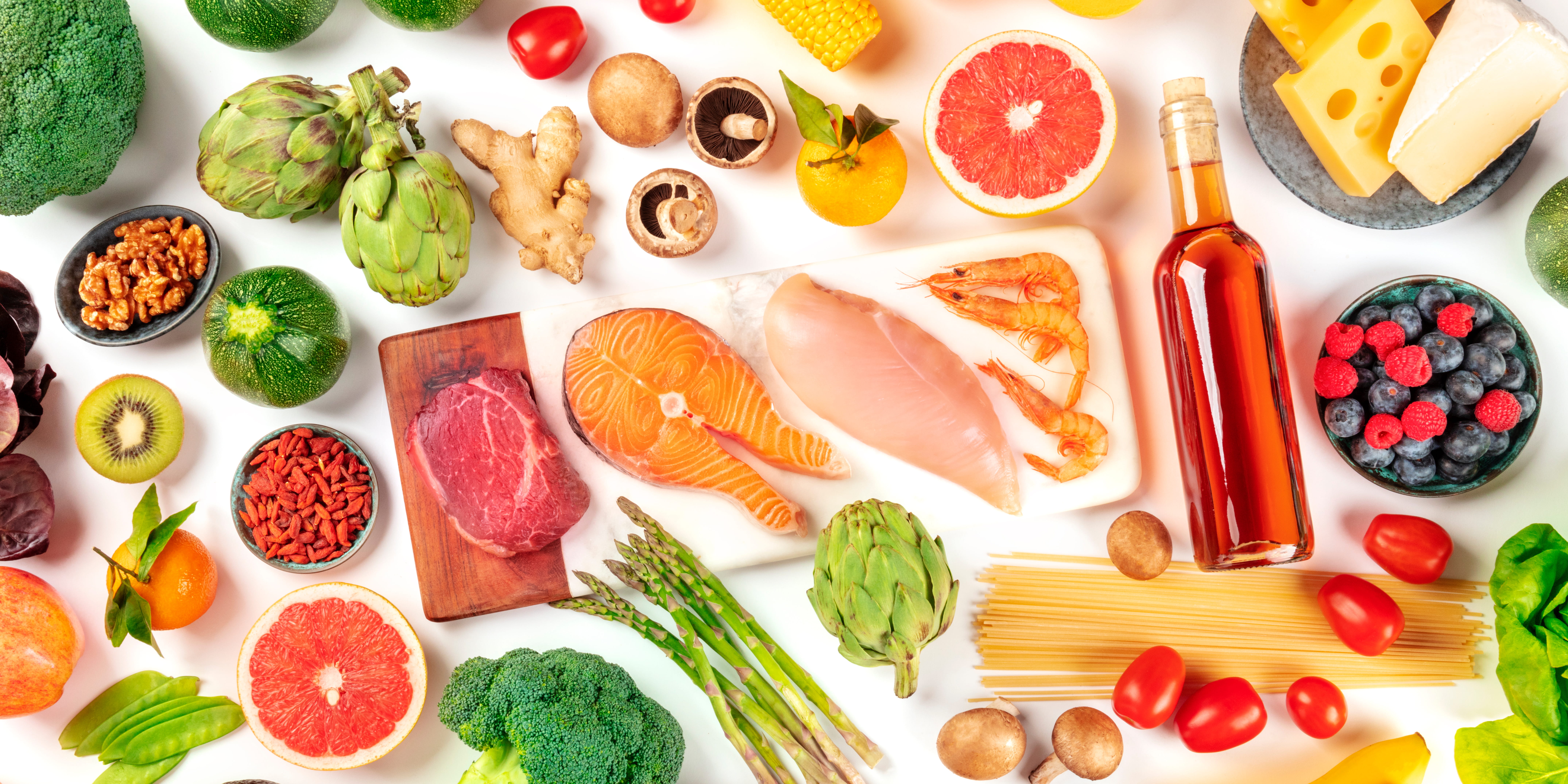
The food you eat is one of the most powerful influences on your gut microbiome, shaping which microbes thrive, which decline and what beneficial compounds they produce. Research shows that significant changes in gut microbial composition can occur within as little as 24 to 48 hours when dietary patterns change dramatically [1].
In this article, we compare how vegan, vegetarian, Mediterranean, Western, ketogenic and low-carb diets influence the gut microbiota, microbial diversity and the production of health-supporting metabolites.
The insights provided in this article are informed by Vivere's Head of Nutrition, Yusra Serdaroglu Aydin, a Registered Dietitian with a background in nutrition, food engineering and culinary arts. Her approach is grounded in science and shaped by a strong understanding of personalised nutrition and the human microbiome.
In One Sentence:
Yes, different dietary patterns can create distinctly different microbiomes, with high-fibre diets such as vegan, vegetarian and Mediterranean patterns generally supporting greater alpha-diversity, higher levels of beneficial microbes including Faecalibacterium prausnitzii, Roseburia and Bifidobacterium, increased short-chain fatty acid (SCFA) production and more beneficial metabolites.
Key Takeaways
Which diet builds the most diverse microbiome?
Mediterranean and plant-based dietary patterns consistently show some of the highest levels of alpha-diversity and beneficial SCFA producers.
How fast does diet change gut bacteria?
Research suggests meaningful microbiome changes can occur within 24 to 48 hours following major dietary shifts.
Is any single diet "best" for everyone?
No, microbiome individuality means people can respond differently to the same foods despite sharing similar dietary patterns.
What is the main downside of Western and keto diets for the gut?
When poorly planned, both can reduce fibre intake, lower beneficial SCFA production and decrease populations of microbes such as Faecalibacterium prausnitzii and Bifidobacterium.
Why does food quality matter more than labels?
Diets rich in plant foods and lower in ultra-processed foods (UPFs) tend to support healthier microbiome profiles regardless of dietary label.
How do the microbiomes of different diets compare side by side?
Different dietary patterns produce distinct microbial signatures that can often be identified from microbiome data alone.
The gut microbiome is highly responsive to long-term dietary habits. Studies show that omnivore, vegetarian and vegan diets each produce recognisable microbial profiles, with red meat consumption emerging as a major driver of omnivore-associated microbiomes. Individuals consuming diets higher in animal products tend to show greater abundance of Bacteroides, Bilophila wadsworthia and Alistipes, while those consuming more plant-based foods often exhibit higher levels of Prevotella, Roseburia, Faecalibacterium prausnitzii and members of the Lachnospiraceae family [2].
Researchers have also identified enterotypes, broad microbiome patterns associated with dietary habits. Diets rich in protein and animal fat are commonly linked with a Bacteroides-dominant enterotype, while diets rich in plant fibre and complex carbohydrates are associated with a Prevotella-dominant enterotype [3].
These differences influence alpha-diversity, beta-diversity and microbial metabolism. Plant-focused diets encourage carbohydrate fermentation, leading to increased production of SCFAs such as butyrate, acetate and propionate. Diets higher in animal products may favour protein fermentation and increased production of metabolites, including secondary bile acids and trimethylamine N-oxide (TMAO).
"Dietary fibre is the currency of the microbiome. The more diverse your intake of fermentable carbohydrates and prebiotic fibres, the more opportunities you create for beneficial microbes to thrive and support microbial diversity."
Plant variety is particularly important. A diet rich in vegetables, fruits, legumes, wholegrains, nuts, seeds and other sources of prebiotic fibre provides fuel for microbes that produce beneficial metabolites and maintain gut health.
What happens to the gut on a plant-based diet? Vegan vs Vegetarian
Plant-based diets generally support greater microbial diversity and increased production of beneficial SCFAs.
How does a vegan or plant-based diet affect the microbiome?
A well-planned vegan diet provides abundant non-digestible carbohydrates that feed beneficial gut microbes.
Vegan diets are naturally rich in dietary fibre, resistant starch, inulin and a broad range of plant compounds. These nutrients pass through the small intestine largely undigested and reach the large intestine, where they undergo fermentation by the gut microbiota.
This process supports microbes such as Prevotella copri, Roseburia, Faecalibacterium prausnitzii and members of the Lachnospiraceae family. These bacteria help produce SCFAs, including butyrate, acetate and propionate, which support the intestinal barrier, immune function and metabolic health.
One of the most influential findings from the American Gut Project showed that people consuming more than 30 different plant foods per week had significantly greater microbial diversity than those consuming 10 or fewer plant foods, regardless of whether they identified as vegan, vegetarian or omnivore [4]. Similar findings have been observed in British populations through the British Gut Project [5].
Foods that contribute to plant diversity include:
Pulses and legumes
Wholegrains
Nuts
Seeds
Fruits
Vegetables
Herbs
Spices
While vegan diets can provide excellent microbiome support, attention should be given to nutrients such as vitamin B12. Fortified foods and supplementation may be necessary to maintain adequate levels.
How is the vegetarian microbiome different from vegan?
Vegetarian diets may contain additional food-associated microbes from dairy products while still supporting high microbial diversity.
A lacto-ovo vegetarian diet includes dairy and eggs alongside plant foods. Because plant foods remain a major dietary component, vegetarian microbiomes often share many features with vegan microbiomes, including elevated levels of SCFA-producing bacteria and favourable alpha-diversity.
One notable difference involves dairy-associated microbes. Research has found greater detection of microbes such as Streptococcus thermophilus among people consuming dairy products. Live yoghurt, kefir and some cheeses may also contribute to Lactobacillus species and other transient food-borne microbes.
These organisms may not permanently colonise the gut, but they can influence microbial activity while passing through the digestive system. Similar transient colonisation patterns were observed in dietary intervention research examining rapid microbiome changes.
Vegetarian diets may also make it easier for some individuals to obtain nutrients such as calcium and vitamin B12 compared with strictly vegan diets.
Actionable Tip 1: Count to 30
The easiest way to improve microbial diversity is often to increase plant variety.
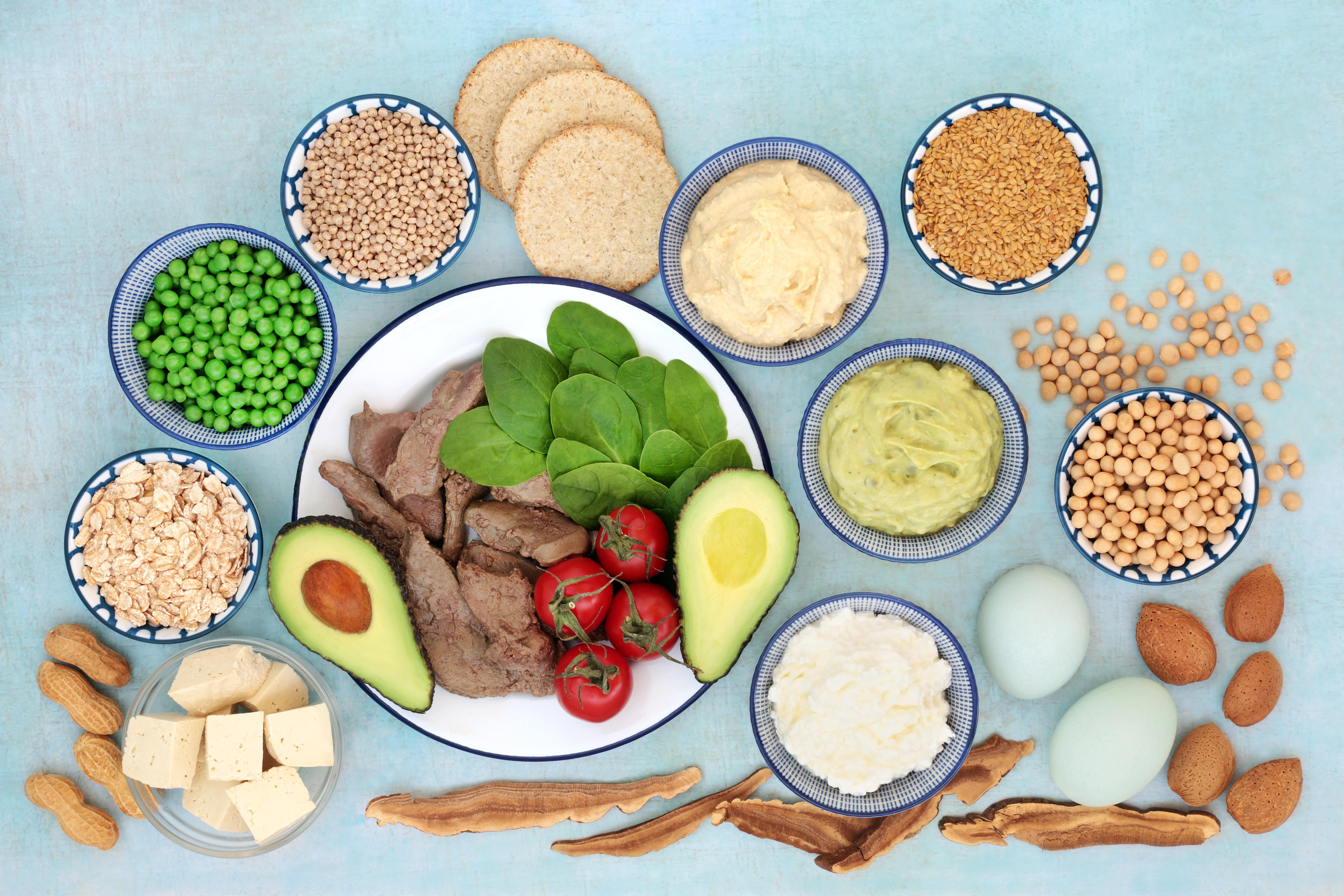
Aim for 30 different plant foods each week. Plant points can include:
Vegetables
Fruits
Herbs
Spices
Nuts
Seeds
Wholegrains
Pulses
For UK shoppers, this target is often more achievable than it first appears. A vegetable soup containing carrots, onions, celery, lentils and herbs can contribute several plant points in a single meal. Increasing plant diversity remains one of the most evidence-supported ways to improve alpha-diversity and support a resilient microbiome.
Why is the Mediterranean diet so good for the gut?
The Mediterranean diet provides a combination of fibre, healthy fats and polyphenols that consistently support beneficial gut microbes.
How does the Mediterranean pattern boost Faecalibacterium prausnitzii?
The Mediterranean diet appears particularly effective at supporting butyrate-producing bacteria.
Research examining Mediterranean dietary adherence has found higher abundance of fibre-fermenting microbes, increased faecal SCFA concentrations and greater representation of butyrate-producing species [6]. Among these, Faecalibacterium prausnitzii stands out as one of the most consistently increased organisms across studies [7].
This microbe is known for producing butyrate, a key SCFA that helps nourish colon cells and supports anti-inflammatory effects within the gut.
The Mediterranean pattern supports these microbes through its emphasis on:
Vegetables
Legumes
Wholegrains
Extra virgin olive oil
Nuts
Seeds
Fruits
Oily fish
Extra virgin olive oil provides monounsaturated fatty acids (MUFAs) and polyphenols, while oily fish such as mackerel, sardines and salmon contribute omega-3 fatty acids EPA and DHA. Together, these foods create an environment that supports beneficial microbial activity and favourable metabolic outputs.
Studies have also linked Mediterranean dietary adherence with improved insulin sensitivity and increased alpha-diversity.
Actionable Tip 2: Build the Plate
Small dietary swaps can help move eating patterns closer to a Mediterranean model.
Try building meals around:
Half a plate of vegetables
A serving of pulses or legumes
Wholegrains
Extra virgin olive oil instead of butter
Oily fish two times per week
For additional polyphenols, include berries, walnuts and dark chocolate containing at least 70% cocoa. Sustainable dietary changes that support long-term adherence often produce greater microbiome benefits than short-lived restrictive diets.
How do keto and low-carb diets affect gut bacteria?
Ketogenic and low-carbohydrate diets can alter the microbiome substantially, with outcomes depending heavily on fibre intake and carbohydrate quality.
What does the ketogenic diet do to Bifidobacterium and Akkermansia?
Ketogenic diets often reduce Bifidobacterium while increasing Akkermansia muciniphila.
A ketogenic diet typically restricts carbohydrate intake to very low levels, causing the body to enter ketosis and produce ketone bodies such as beta-hydroxybutyrate. While ketogenic diets have recognised clinical applications in some settings, they also influence the gut microbiome in distinct ways.
Research has shown that ketogenic diets can significantly reduce levels of Bifidobacterium, a genus commonly associated with fibre fermentation and gut health [8]. Experimental work suggests ketone bodies themselves may contribute to this effect by selectively inhibiting bifidobacterial growth.
At the same time, studies have reported increases in Akkermansia muciniphila and changes in the Firmicutes-to-Bacteroidetes ratio [9]. Akkermansia muciniphila is often associated with favourable metabolic outcomes, although it feeds on mucin within the mucus layer lining the gut. The long-term implications of sustained increases remain an area of ongoing research.
Some studies have also identified reductions in SCFA production when ketogenic diets substantially reduce fermentable carbohydrate intake. Reduced levels of fibre can limit the fuel available for butyrate-producing microbes.
Research involving both human participants and mouse models has also linked ketogenic diets to changes in immune activity, including reductions in Th17 cells.
Why does carbohydrate quality decide the low-carb microbiome?
The impact of a low-carb diet depends less on the amount of carbohydrate removed and more on which carbohydrates remain.
Not all low-carb diets are the same. A low-carb diet based largely on meat, butter and processed foods will influence the microbiome differently from one rich in vegetables, nuts, seeds and fibre-containing plant foods.
When carbohydrate restriction removes major sources of dietary fibre, SCFA production may fall, and populations of beneficial microbes such as Bifidobacterium can decline. Reduced fibre intake may also encourage a greater abundance of bile-tolerant taxa that thrive under lower-fibre conditions.
The NHS recommends that UK adults consume 30g of fibre daily, yet average intakes remain closer to 20g per day [10]. This gap becomes particularly relevant for individuals following low-carb diets.
Actionable Tip 3: Protect Your Fibre Floor
A low-carb diet should still provide substantial dietary fibre.
Useful low-carbohydrate fibre sources include:
Ground flaxseed
Chia seeds
Psyllium husk
Avocado
Leafy greens
Broccoli
Cauliflower
Other non-starchy vegetables
Maintaining a consistent intake of fibre helps support Bifidobacterium, butyrate producers and ongoing SCFA production, even when carbohydrate intake is reduced. The goal should be to remain low in refined carbohydrates without becoming low in fibre.
What does a Western or omnivore diet do to the microbiome?
Western dietary patterns are often associated with reduced microbial diversity and increased production of metabolites linked to poorer health outcomes.
How do red meat and high fat raise Bilophila wadsworthia?
Animal-based diets can favour bile-tolerant microbes while reducing some fibre-fermenting bacteria.
Research demonstrates that diets rich in animal products can rapidly increase bile-tolerant microorganisms, including Bilophila wadsworthia, Alistipes and Bacteroides. At the same time, levels of Roseburia and other fibre-metabolising microbes may decrease.
One reason involves bile production. Diets higher in saturated fat stimulate bile secretion, creating conditions that favour bile-tolerant taxa. Bilophila wadsworthia is one such organism that appears to flourish under these conditions.
Experimental research suggests Bilophila wadsworthia may contribute to gut inflammation, intestinal barrier dysfunction and metabolic disturbances under certain conditions, although much of this mechanistic evidence comes from animal models [11].
A Western dietary pattern typically includes:
Higher intakes of red meat
Greater consumption of saturated fat
Lower fibre intake
Increased reliance on ultra-processed foods
These factors may collectively promote a more pro-inflammatory microbial environment.
How does dysbiosis create TMAO and other harmful markers?
Microbial imbalances can alter the production of compounds linked with inflammation and cardiovascular risk.
Dysbiosis refers to an imbalance within the gut microbiome that may affect the intestinal barrier, microbial metabolism and immune function.
One notable example involves trimethylamine N-oxide (TMAO). Certain gut microbes convert dietary compounds such as choline and L-carnitine into trimethylamine (TMA), which is then converted into TMAO by the liver. Research has shown that omnivores generally produce more TMAO following L-carnitine consumption than vegans or vegetarians [12].
Elevated TMAO has been associated with cardiovascular disease risk in some populations.
Other microbial products linked to dysbiosis include:
Lipopolysaccharides (LPS)
Secondary bile acids
Reduced SCFA production
Reduced SCFA production may weaken support for the intestinal barrier, contributing to increased gut permeability and low-grade systemic inflammation.
Ultra-processed foods (UPFs) are another important consideration. According to the British Nutrition Foundation, UPFs account for around 54% of average adult energy intake in the UK [13]. Data from the National Diet and Nutrition Survey indicate that average fibre intake remains around 19 to 20g per day, well below the UK recommendation of 30g daily [14].
The British Dietetic Association and NHS advise increasing fibre intake gradually while maintaining adequate fluid intake to minimise digestive discomfort [10] [15].
Actionable Tip 4: Add, Then Swap
Improving the microbiome often works better when healthy foods are added before foods are removed.
Try:
Adding one extra plant food to each meal
Replacing some red meat meals with pulses
Including oily fish regularly
Reducing processed meat intake
Gradually reducing ultra-processed foods
These changes can help increase dietary fibre, support SCFA production and move intake closer to the UK 30g fibre target recommended by SACN.
What are the best gut health tips for each diet?
Every dietary pattern can be adjusted to better support the microbiome.
For vegan diets:
Aim for 30 plants a week
Monitor vitamin B12 intake
Include legumes, wholegrains, nuts and seeds
For vegetarian diets:
Include live yoghurt or kefir where appropriate
Prioritise plant diversity
Maintain adequate vitamin B12 and calcium intake
For Mediterranean diets:
Use extra virgin olive oil regularly
Eat oily fish such as sardines and mackerel
Increase polyphenol-rich foods, including berries and walnuts
For low-carb diets:
Prioritise non-starchy vegetables
Include flaxseed, chia and psyllium husk
Protect SCFA production through adequate fibre intake
For Western diets:
Increase dietary fibre gradually
Reduce ultra-processed foods
Replace some meat-based meals with pulses
Across all dietary patterns, supporting beneficial microbes such as Bifidobacterium while limiting conditions that favour Bilophila wadsworthia may help promote a healthier microbial ecosystem.
Why doesn't a "perfect" diet guarantee a perfect gut?
Even the healthiest dietary pattern does not produce identical microbiome outcomes in every person.
One of the most important discoveries in microbiome science is the concept of microbiome individuality. Research from the PREDICT 1 study, which included 1,098 individuals, demonstrated that people can respond very differently to the same foods despite consuming similar diets [16].
This variation is influenced by factors including:
Existing microbiome composition
Early life exposures
Medication use
Lifestyle factors
Health status
Host genetics
Although host genetics plays a role, research suggests environmental factors, particularly diet, exert a stronger influence on microbiome composition overall [17].
Two people may share a similar enterotype and consume the same Mediterranean-style meal, yet experience different metabolic responses. This is partly because microbiomes contain different combinations of "good" and "bad" microbial panels, as well as differing functional pathways.
"Personalisation matters because biology is often more important than willpower. Two people can eat the same foods and achieve different results because their microbiomes process those foods differently."
Yusra Serdaroglu Aydin, Registered Dietitian and Head of Nutrition at Vivere
This growing understanding has increased interest in personalised nutrition approaches. Technologies such as shotgun metagenomic sequencing can provide strain-level identification, allowing assessment of butyrate-producing strains, microbial diversity scores and functional pathways.
The Vivere Gut Microbiome Test Kit uses advanced microbiome analysis to help identify individual patterns and provide custom food scoring recommendations. For people experiencing bloating, low diversity or uncertainty around which foods best support their gut health, personalised data may provide insights that generic dietary advice cannot.
Even highly beneficial microbes such as Faecalibacterium prausnitzii may vary substantially between individuals, reinforcing the importance of understanding personal microbiome characteristics.
Frequently Asked Questions
How fast does a change in diet change your gut microbiome?
Major dietary changes can begin altering the gut microbiome within 24 to 48 hours.
Research by David et al. demonstrated that switching between plant-based and animal-based dietary patterns rapidly changed microbial composition and activity, showing that gut microbes respond quickly to changes in available fuel sources [1].
Which diet produces the highest gut microbiome diversity?
Mediterranean and diverse plant-based diets are generally associated with the highest levels of alpha-diversity.
Research consistently links greater plant variety with improved microbial diversity. Findings from the American Gut Project suggest that consuming more than 30 different plant foods weekly is strongly associated with richer and more diverse microbial communities [4].
Does the keto diet permanently damage gut bacteria?
Current evidence does not suggest that ketogenic diets permanently damage gut bacteria.
Studies indicate that ketogenic diets can reduce Bifidobacterium and alter microbial composition while carbohydrate intake remains very low [8]. However, many carbohydrate-dependent strains can recover when fermentable fibres and plant foods are reintroduced. More long-term human research is still needed.
Is a vegetarian or vegan diet better for gut health?
Both dietary patterns can support excellent gut health when well planned.
Vegan diets may provide greater fibre intake and increased SCFA production, while vegetarian diets can include dairy-derived foods that contribute transient microbes such as Streptococcus thermophilus and Lactobacillus. Nutritional adequacy, including vitamin B12 and calcium intake, remains important in both approaches.
Can I follow a low-carb diet without harming my microbiome?
Yes, provided dietary fibre intake remains high.
Low-carb diets that include flaxseed, chia seeds, non-starchy vegetables, nuts and other fibre-rich foods can continue supporting SCFA production. These approaches differ significantly from lower-fibre Western dietary patterns that often provide inadequate fuel for beneficial gut microbes.
What is the best diet for the gut microbiome in the UK?
For most people, a Mediterranean-style diet provides one of the strongest evidence bases for gut health.
The Mediterranean pattern combines dietary fibre, polyphenols, healthy fats and sustainable dietary adherence. It also aligns well with UK recommendations to achieve the adult fibre target of 30g per day, a target that most adults currently fail to meet according to NDNS data [14].
Nutritionist's Corner: Final Thoughts
“The most powerful day-to-day tool available for shaping the gut microbiome. Across the evidence, the strongest predictors of a thriving microbiome are plant variety, adequate dietary fibre, regular intake of polyphenol-rich foods and lower reliance on ultra-processed foods.
While Mediterranean-style eating consistently performs well, no single dietary pattern works identically for everyone because microbiome individuality, host genetics and existing microbial composition all influence outcomes. Sustainable dietary adherence matters more than perfection, and baseline testing can provide valuable insights into how your own microbiome responds to food choices over time.”
Vivere helps you take control of your health with personalised insights from state-of-the-art gut microbiome testing, nutritional guidance, science-backed biohacking supplements, NAD+ supplementation and expert support. Sign up today and start living better, for longer.
Sources
[1] Diet rapidly and reproducibly alters the human gut microbiome | Nature
[3] Linking Long-Term Dietary Patterns with Gut Microbial Enterotypes | Science
[4] American Gut: an Open Platform for Citizen Science Microbiome Research | mSystems
[5] Human postprandial responses to food and potential for precision nutrition | Nature Medicine
[8] Ketogenic Diets Alter the Gut Microbiome Resulting in Decreased Intestinal Th17 Cells - PubMed
[10] How to get more fibre into your diet - NHS
[13] The concept of ultra-processed foods (UPF) Position statement April 2023
[14] National Diet and Nutrition Survey 2019 to 2023: report - GOV.UK
[15] Fibre - BDA
[17] Environment dominates over host genetics in shaping human gut microbiota | Nature
Author

Yusra Serdaroglu Aydin, MSc RD
Head of Nutrition and Registered Dietitian
Yusra is a nutritionist with a multidisciplinary background in nutrition, food engineering, and culinary arts. During her education, her curiosity abo...