Do Probiotics Actually Help with Weight Loss?
Last Updated: 25 September 2026
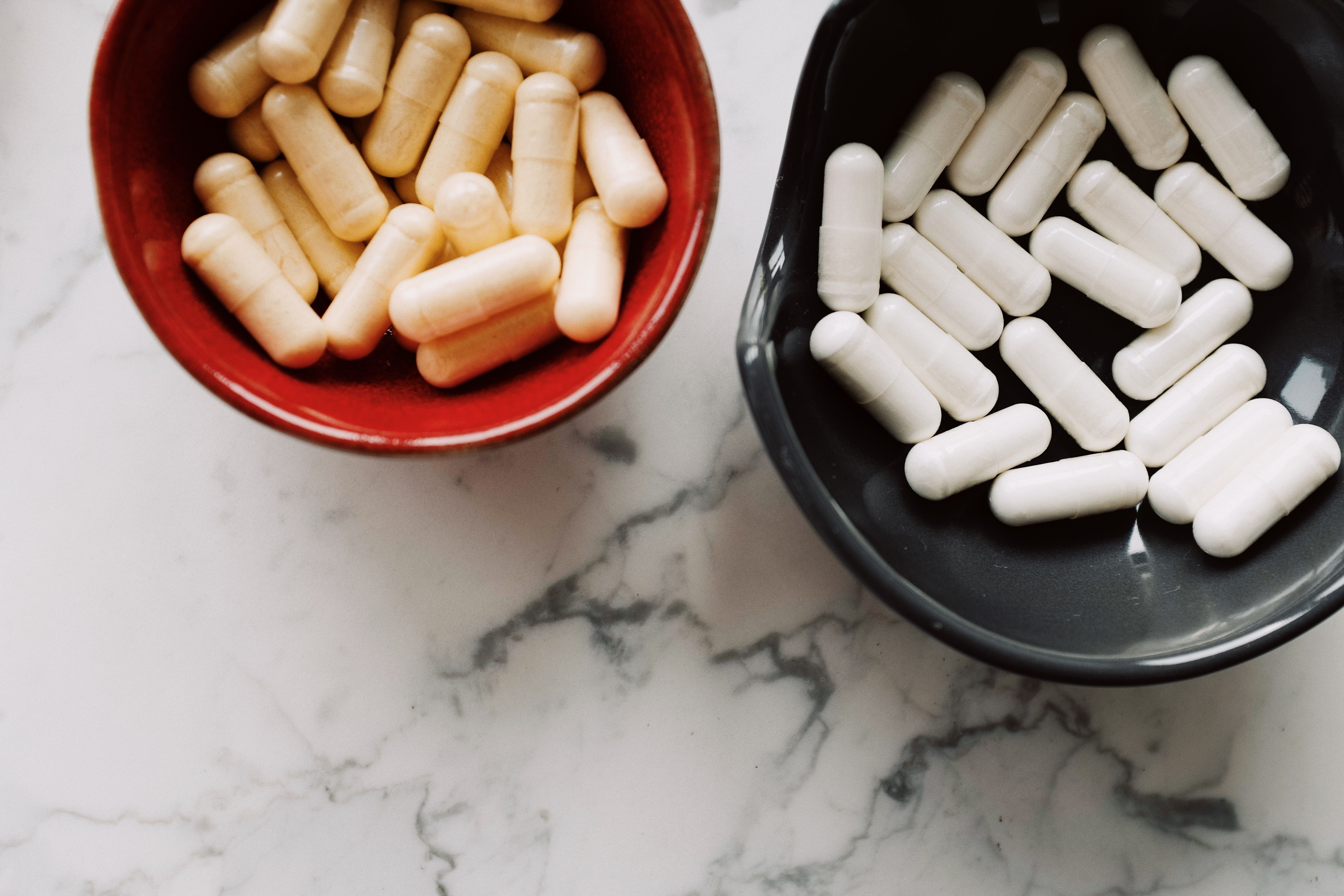
Many people spend hundreds of pounds on vitamin pills and trendy probiotic drinks, hoping to shed a few extra pounds. You might have seen adverts promising that a simple daily pill will melt away your belly fat. Sadly, if you have tried these off-the-shelf products, you probably noticed that nothing actually changed. The truth is that dropping stubborn weight is not as simple as swallowing a random blend of bacteria or ingredients.
In One Sentence
Some probiotics may support weight management, but the effects are usually modest and strain-specific, and gut microbiome testing may help guide a more personalised nutrition approach to support beneficial microbes, metabolism, and weight goals.
Key Takeaways
Will buying a normal probiotic pill make me slim? No. A standard probiotic may support gut health, but weight-loss effects are usually modest and depend on the specific strains used.
What is the secret to making good bacteria stay in my stomach? Prebiotic plant fibres help support beneficial bacteria by giving them the fuel they need to grow and stay active in the gut.
How do I know which bacteria my body actually needs? A targeted gut microbiome test can help show patterns in your microbial profile and guide a more personalised food and supplement plan to support microbial balance.
Will a daily probiotic help me lose weight?
A generic daily probiotic will rarely result in weight loss on its own because effective microbiome modulation requires an advanced gut flora test to properly identify your specific bacterial deficiencies, which must then be followed by highly targeted prebiotic and probiotic dietary interventions.
Walking into a health shop and picking a random bottle of probiotics is often a broad approach. Your gut is completely unique to you.
Taking a random blend of bacteria may have limited effects because your body might already have plenty of those exact strains. In other cases, the product may not contain the strains most relevant to your goals. To support meaningful changes in weight management, it helps to have a clearer picture of your digestive system and microbiome.
What is the difference between transient and resident bacteria?
Transient vs. resident bacteria is an important concept. Transient bacteria are temporary microbes that move through your digestive system, while resident bacteria are the more established microbes that live in your gut and actively control your daily metabolism and weight.
Many shop-bought probiotics contain transient bacteria. You swallow them, they travel through your digestive tract, and they may support the gut while passing through.
If you want to lose stubborn fat, it can be helpful to support your resident bacteria. These are the microbes already living and working inside you. Alongside taking probiotics, feeding these resident bacteria can help support their growth and activity.
How do Lactobacillus gasseri and Bifidobacterium affect belly fat?
Specific bacterial strains like Lactobacillus gasseri and Bifidobacterium have been studied for their role in belly fat, metabolic health, and blood sugar regulation.
Not all bacteria do the same job. Science has found that certain families may support a leaner and healthier metabolic profile.
Lactobacillus gasseri: Studies show this specific strain may help support reductions in abdominal fat and waist measurements [1].
Bifidobacterium: This family helps support blood sugar balance, gut health, and appetite regulation.
A gut test can help show patterns in your microbiome and guide a more personalised approach to supporting these beneficial bacteria.
Why are prebiotics important for targeted supplementation?
Prebiotics are an important part of targeted supplementation because they provide the plant fibre fuel your good microbes need to survive and multiply, meaning taking probiotics with prebiotics can offer more complete support.
Taking a probiotic supplement alongside a supportive daily diet helps create the right environment for beneficial bacteria to grow, stay active, and deliver better results.
Prebiotics are the food that your bacteria eat. Foods like garlic, onions, and oats are packed with this special fibre. When you use a test to find out which microbes may need more support, a professional nutritionist can guide you towards the prebiotic foods that best support a healthier resident microbiome.
How do personalised food ratings replace generic pills?
Personalised food ratings can offer a more targeted alternative to generic pills by matching your unique test results against a clinical database of foods, helping guide which fresh ingredients to buy at the supermarket to support your microbiome and metabolic health.
At Vivere, we do not believe in throwing random, expensive pills at the problem. Instead, we use your exact test data to rate everyday foods just for you.
If your test detects you need more Bifidobacterium, your personal dashboard will highlight the exact foods like apples, beans, or vegetables you should buy to boost that specific strain. This data-driven approach is far more powerful and much cheaper in the long run than buying endless bottles of useless generic supplements.
Frequently Asked Questions
Should I stop taking my current daily probiotic?
If you have been taking a generic probiotic for several months and have not seen any weight loss or reduced bloating, it is highly likely that it is not the right match for your unique stomach.
Do I need to buy expensive supplements after testing my gut?
No. A high-quality testing service will always focus on using real, everyday supermarket foods to feed your microbes first, only suggesting highly targeted supplements if they will have a significant impact.
How long does it take for targeted food changes to work?
While your gut environment can start to respond in a matter of days, healthy and sustainable weight loss usually becomes noticeable after a few weeks to months of consistent, targeted eating.
Nutritionist's Corner: Final Thoughts
“Probiotics can be a useful part of a weight-management plan, but they work best as part of a more personalised approach. Because the gut microbiome plays an important role in metabolism, appetite regulation, and digestive health, gut testing can offer valuable insight into the microbial patterns linked with weight-management challenges. This helps move the focus away from guesswork and towards a more targeted plan. By using a comprehensive gut flora test, we can identify key patterns in your microbiome and use that information to guide food choices, and targeted supplementation. This creates a more supportive environment for beneficial bacteria and can help support a healthier metabolism and more sustainable weight loss over time.”
Sources
Author

Yusra Serdaroglu Aydin, MSc RD
Head of Nutrition and Registered Dietitian
Yusra is a nutritionist with a multidisciplinary background in nutrition, food engineering, and culinary arts. During her education, her curiosity abo...