Which famous people use tongue scrapers?
Last Updated: 13 May 2026
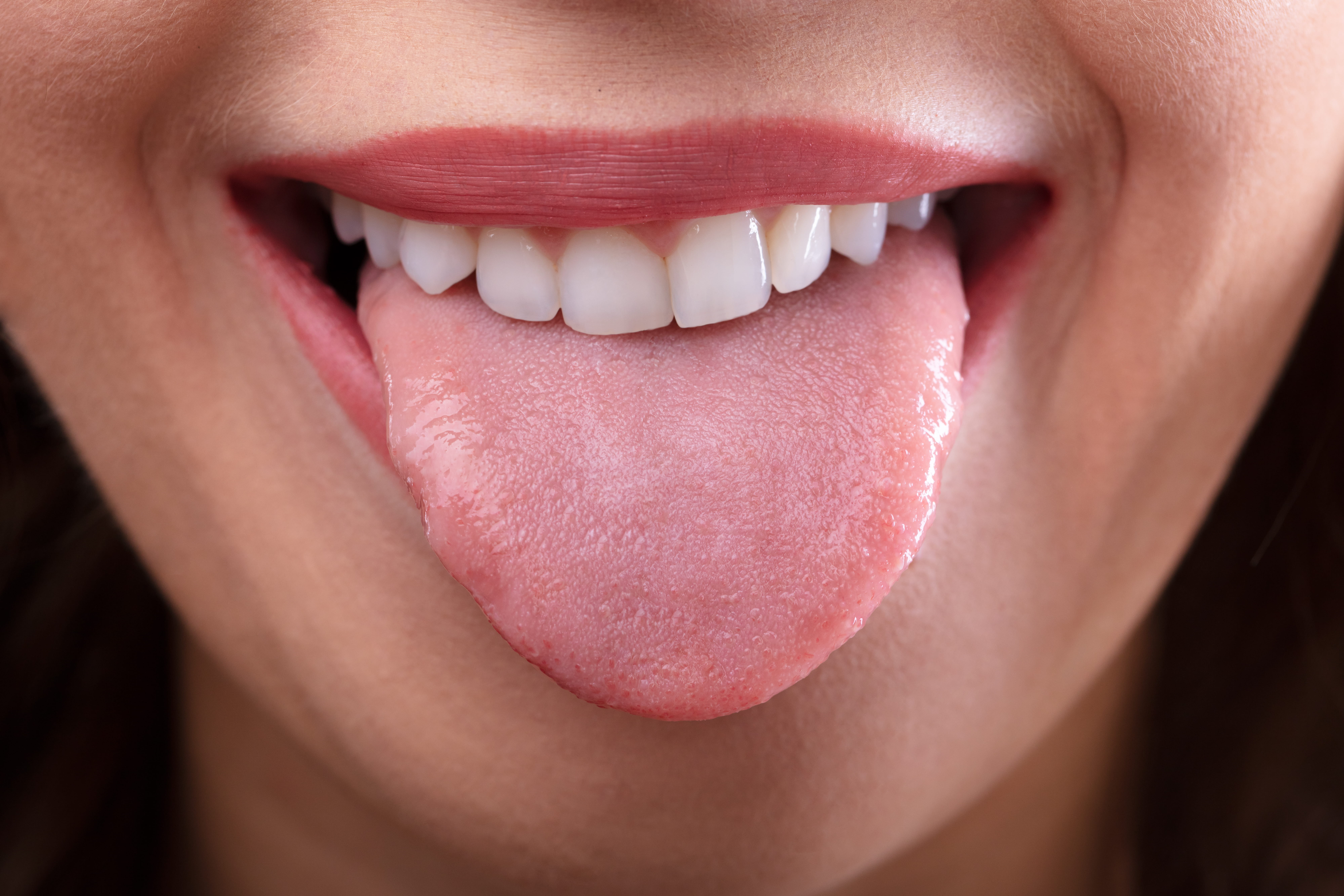
Tongue scraping has quietly moved from a traditional oral care practice into a modern wellness habit, with several well-known figures speaking openly about using it as part of their daily routine. This article explores why tongue scraping has gained attention among celebrities, how it works, what the science says and how to do it properly, with a clear focus on health rather than hype.
The insights provided in this article are provided by Vivere’s Head of Nutrition, Yusra Serdaroglu Aydin, a registered dietitian with a background in nutrition, food engineering and culinary arts, whose work is grounded in science and shaped by a strong understanding of personalised nutrition and the human microbiome.
In One Sentence:
Tongue scraping is used by famous figures because it reduces bacterial buildup on the tongue, supports oral freshness and fits easily into a daily health routine.
Key Takeaways
Why do celebrities use tongue scrapers? They help reduce biofilm linked to halitosis by lowering bacterial load within the oral microbiome.
What is the best way to clean your tongue? A dedicated tongue scraper is more effective than a toothbrush due to the limitations of bristles.
How often should you scrape your tongue? Once daily in the morning, while fasting, supports oral hygiene.
Does tongue scraping improve taste? Removing tongue coating can enhance taste perception by clearing blocked taste receptors.
Is tongue scraping safe? When done gently with the right tool, it is considered a low-risk addition to a standard oral hygiene routine.
Why do celebrities use tongue scrapers?
Celebrities often use tongue scrapers to manage biofilm on the tongue that contributes to halitosis and disrupts the oral microbiome.
The tongue surface can develop a visible coating made up of bacteria, food debris and dead cells, often referred to as biofilm. This increases bacterial load and contributes to bad breath. From a health perspective, reducing this bacterial accumulation supports the balance of the oral microbiome and may influence the oral-gut connection, as oral bacteria are regularly swallowed and introduced into the digestive system.
Public figures who are frequently on camera or in close contact settings often prioritise simple, effective grooming habits, and tongue scraping offers a quick way to improve oral cleanliness without complex interventions.
What is the best way to clean your tongue?
The most effective way to clean your tongue is by using a tongue scraper rather than relying on a toothbrush.
While toothbrush bristles are designed for teeth, they have limitations when used on the tongue, as they tend to push debris around rather than remove it fully. A tongue scraper is shaped to follow the tongue’s surface and lift away accumulated coating in a single motion.
Metal tongue scrapers are often preferred over plastic due to durability and ease of cleaning. Some plastic scrapers may retain bacteria within porous surfaces over time. Using the correct tool ensures more thorough cleaning with less irritation.
How often should you scrape your tongue?
Tongue scraping is best done once daily as part of a morning routine before eating or drinking.
Overnight, bacteria accumulate in the mouth due to reduced saliva flow, making the morning fasting state an ideal time to remove this buildup. Incorporating tongue scraping into a consistent morning routine aligns with circadian health principles and supports freshness throughout the day. Scraping more frequently is not usually necessary and may increase the risk of irritation, particularly if excessive pressure is applied.
The A-List Advocates
Several high-profile people have publicly shared their use of tongue scrapers, helping to raise awareness of this traditional practice in mainstream wellness culture.
From UK music artists to Hollywood actors and wellness entrepreneurs, tongue scraping is often part of a broader approach to self-care, detoxification and professional grooming.
Mentions in media such as British Vogue’s “In The Bag” YouTube series and platforms like Goop have contributed to wider awareness, while concepts drawn from Ayurveda, including the removal of ama or toxins, have shaped how the practice is discussed.
Improved taste perception and on-screen hygiene are frequently cited benefits by well-known people.
Central Cee
Rapper Central Cee has highlighted tongue scraping as part of his personal grooming routine.
His appearance in British Vogue brought attention to tongue scraping among UK audiences, particularly younger listeners interested in practical wellness habits that fit into daily life and support freshness and confidence.
Gwyneth Paltrow
Actress Gwyneth Paltrow has spoken about tongue scraping within the context of holistic wellness.
As the founder of Goop, she often references practices rooted in traditional health systems, including Ayurveda, where tongue scraping is associated with detoxification and digestive awareness. Her influence has helped frame tongue scraping as part of a mindful morning routine rather than a cosmetic trend.
Radhi Devlukia-Shetty
Author Radhi Devlukia-Shetty promotes tongue scraping as an Ayurvedic daily practice.
She frequently links the habit to the removal of ama, improved digestion and clearer taste perception, reinforcing its role within a broader lifestyle focused on balance and preventative care.
Alison Brie and Dave Franco
Actors and married couple Alison Brie and Dave Franco have referenced tongue scraping in a professional grooming context.
Oral hygiene supports comfort and confidence, and their casual discussion of tongue scraping has helped normalise it as a practical habit rather than a niche wellness trend.
Why It Works (the Science vs. the Hype)
Tongue scraping works by mechanically removing bacteria and debris from the tongue’s surface, where odour-causing compounds form.
The dorsum of the tongue (the upper, visible surface) contains filiform papillae that act as bacterial traps within the oral cavity, encouraging the growth of anaerobic bacteria that produce volatile sulphur compounds linked to halitosis. Research shows that tongue cleaning can reduce these compounds and plaque levels, supporting gum health and reducing the risk of gingivitis [1].
Dental hygienists and periodontists often recognise tongue scraping as a useful practice alongside brushing and flossing, particularly for individuals prone to bad breath.
Beyond oral health, there is growing interest in how oral bacteria influence gut inflammation and systemic inflammation, which is why tongue scraping is sometimes discussed within bio-hacking circles focused on optimised biology rather than cosmetic results alone.
Evidence also suggests that removing tongue coating may increase perceived intensity of salty taste, highlighting benefits beyond freshness [2].
Why Choose Vivere for Your Tongue Scraping Needs in 2026
Vivere offers a tongue scraper designed to meet high street standards while supporting long-term hygiene and sustainability.
The Vivere Tongue Scraper is made from metal, offering a non-porous surface that is easier to sterilise and less likely to retain bacteria than plastic scrapers. Compared with mouthwash, which often relies on masking agents rather than removal, a scraper physically reduces bacterial load at the source.
Its ergonomic design supports gentle, effective use without triggering discomfort, while its reusable and eco-friendly nature aligns with sustainable health choices. Designed with the quality expectations associated with retailers such as Boots and Superdrug in mind, Vivere’s approach supports oral bio-hacking principles by addressing the mouth as part of a wider health system [3].
How To Scrape Like a Pro
Effective tongue scraping relies on gentle mechanical removal as part of a consistent oral hygiene regimen.
Here are some easy-to-follow instructions to ensure your tongue scraping practice is working properly:
Stick your tongue out to reduce activation of the gag reflex and place the scraper at the back of the tongue without touching the throat.
Pull forward using gentle pressure to avoid irritation to taste buds and soft tissue, then rinse the scraper to prevent cross-contamination.
Repeat this motion several times, focusing on areas where bacterial accumulation is visible, especially after overnight buildup.
Finish with a final clean of the scraper before continuing with flossing and brushing, ensuring tongue scraping fits naturally into your existing routine without discomfort.
Nutritionist's Corner: Final Thoughts
“From a nutritional and clinical perspective, tongue scraping supports comprehensive hygiene by addressing the oral cavity as the entry point to the digestive system and a key part of immune system defence. Simple daily practices can play a role in preventative care and overall well-being when they are evidence-informed and performed correctly. By reducing oral bacterial load, tongue scraping may indirectly support gut health and immune balance, reinforcing the value of small, consistent habits within a holistic health approach [4].”
"As interest in simple, effective health habits continues to grow, tongue scraping stands out as a low-effort practice with tangible benefi ts. While it may not be essential for everyone, it can be a useful addition for those looking to refi ne their oral hygiene routine. Like many wellness habits, its value lies in consistency and correct technique rather than trends. When used alongside brushing, fl ossing and regular dental care, tongue scraping can help support a cleaner oral environment and contribute to overall daily wellbeing."
Vivere helps you take control of your health with personalised insights from state-of-the-art gut microbiome testing, nutritional guidance, science-backed biohacking supplements, NAD+ supplementation and expert support. Sign up today and start living better, for longer.
Sources
[2] Tongue Cleaning Increases the Perceived Intensity of Salty Taste - ResearchGate
Author

Yusra Serdaroglu Aydin, MSc RD
Head of Nutrition and Registered Dietitian
Yusra is a nutritionist with a multidisciplinary background in nutrition, food engineering, and culinary arts. During her education, her curiosity abo...
Peer Reviewed by

Rosie Warwick, BSc (Hons) RD
Dietitian
Rosie is an HCPC-registered clinical dietitian with experience across both paediatric and adult settings. Her current role focuses on specialist weigh...