The Gut-Weight Connection: Why You Cannot Lose Stubborn Fat
Last Updated: 25 September 2026
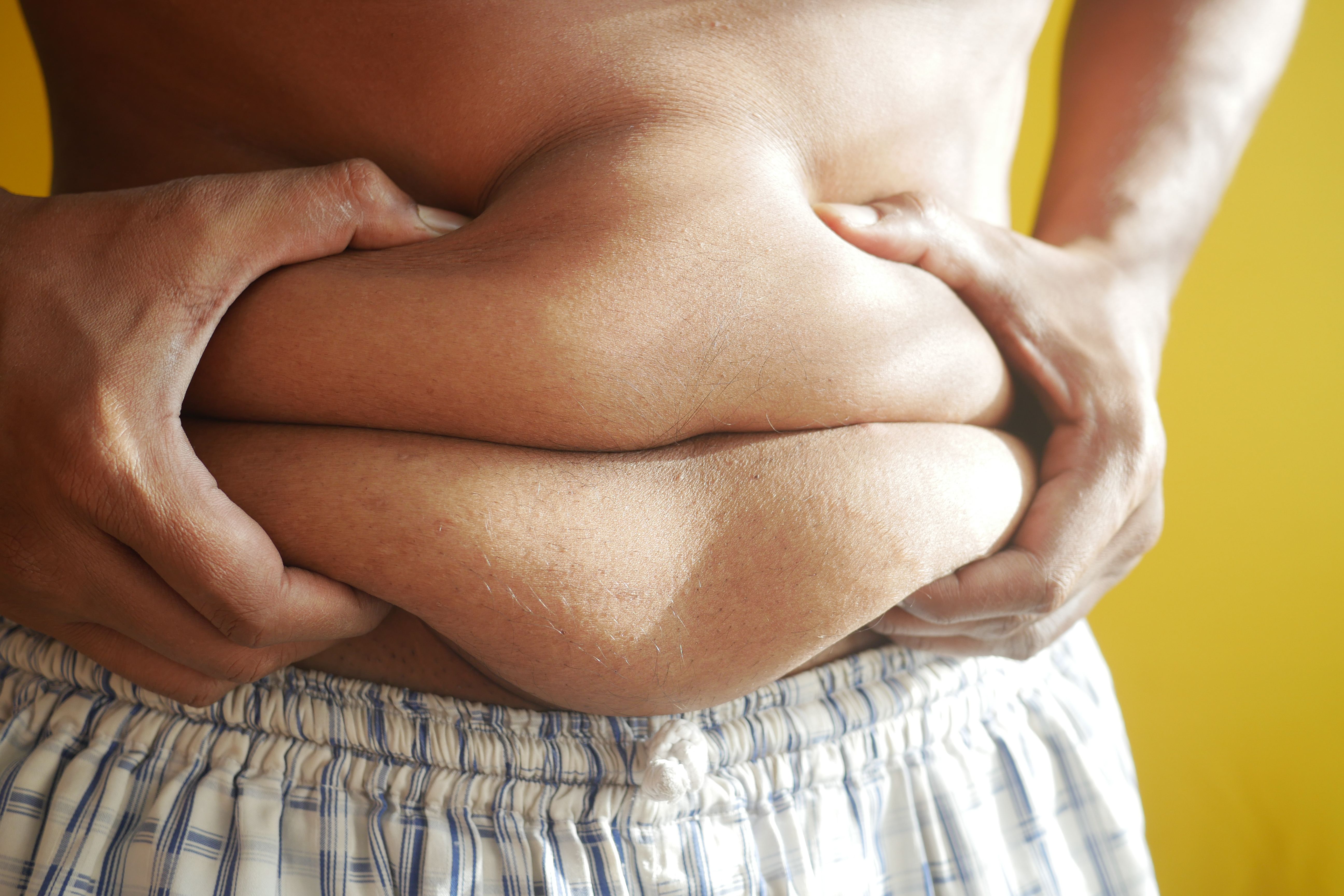
If you feel like you are doing everything right but the scale refuses to budge, you are not alone. It is incredibly frustrating to eat carefully and exercise often, only to see no changes in your body. For a long time, we were told that losing weight was simply about eating less and moving more. However, modern science shows this is not the whole truth. If your gut bacteria are out of balance, your body might actually be pulling more calories out of your food than someone else who eats the exact same meal.
In One Sentence
Struggling to lose stubborn fat is often caused by an imbalance in your gut bacteria, which forces your body to extract extra calories from food and store them as unwanted fat.
Key Takeaways
Why is counting calories not working for me? Your specific gut bacteria may be more efficient at extracting energy from your meals, meaning you may absorb more energy from the same food than others.
What makes my body hold onto stubborn fat? When beneficial bacteria are reduced, factors such as blood sugar regulation, appetite signals, and metabolism may be affected, which can contribute to ongoing weight-management challenges.
Can fixing my digestion help me lose weight naturally? Yes. Supporting gut health may help improve metabolic function, reduce low-grade inflammation, and support healthier appetite regulation, which can contribute to weight management.
How does gut flora cause weight gain?
Gut flora causes weight gain when an imbalance leads to an overpopulation of bacteria that efficiently harvest excess energy from food, coupled with a reduction in helpful bacteria like Akkermansia that regulate blood sugar and the appetite-controlling hormone GLP-1.
This process is known as caloric extraction. Imagine two people eating the exact same bowl of porridge. Person A has a balanced digestive system and absorbs 150 calories. Person B has an overgrowth of dysbiotic bacteria. These bacteria break down the parts of the food that usually pass right through the body as waste. Because of this, Person B absorbs 200 calories from the exact same bowl.
This difference in energy harvest may contribute to fat storage over time and can be one of several factors involved in weight regulation. It shows that body weight is influenced by biology as well as behaviour.
What is Akkermansia muciniphila and why do you need it?
Akkermansia muciniphila is a beneficial gut bacterium associated with gut barrier function, lower inflammation, and better metabolic health. It has been studied for its potential role in supporting insulin sensitivity and helping regulate how the body handles sugar and fat.
This bacterium lives in the mucus layer of the intestines and helps support its turnover and integrity.
When levels of this bacterium are higher, they are often associated with better metabolic markers. Lower levels have been linked with obesity and insulin resistance in some studies. When insulin resistance develops, cells respond less effectively to insulin, which can contribute to higher blood sugar and increased fat storage over time. People who have higher levels of this bacterium have been associated with a healthier metabolic profile, including better fasting glucose, triglyceride levels, body fat distribution, and insulin sensitivity [1].
How do your gut bacteria control the GLP-1 appetite hormone?
Your gut bacteria can influence the GLP-1 appetite hormone by breaking down plant fibres and producing compounds that help signal fullness and support appetite regulation.
GLP-1 is a natural chemical messenger in your body. When it is released, it slows digestion and helps you feel more satisfied after a meal.
If you do not have the right microbes to support this process, appetite regulation may be affected. You may feel hungrier even after eating. Supporting a healthier microbial balance may help improve this hormone response and reduce cravings that can make weight loss more difficult.
Can checking my Firmicutes to Bacteroidetes ratio help me lose fat?
Checking your Firmicutes-to-Bacteroidetes ratio may provide insight into patterns in your gut microbiome that are associated with energy extraction and metabolic health, helping guide a more targeted dietary approach.
As we covered in our main guide on metabolism, a higher Firmicutes-to-Bacteroidetes ratio has been studied in relation to greater energy harvest from food. An advanced gut test can show this ratio. Once you know this pattern, a nutritionist can help guide food choices that support a healthier gut microbiome and metabolic balance.
Frequently Asked Questions
Can I just take a pill to get more Akkermansia?
Akkermansia muciniphila is sensitive to oxygen, which has made it difficult to use in standard probiotic products. The best way to increase it is by eating foods rich in polyphenols like cranberries, pomegranates, and green tea to help support its abundance.
Does stress affect my weight loss bacteria?
Yes. High stress can affect your body in ways that reduce beneficial bacteria and encourage dysbiotic patterns, which may make weight loss more difficult.
How long does it take to change my gut bacteria?
Your microbial balance can start to shift in just a few days when you change your diet dramatically. However, for lasting weight loss and to improve insulin resistance, it usually takes a few months of following a careful food plan.
Nutritionist's Corner: Final Thoughts
“I see many clients who feel exhausted by restrictive diets. They blame themselves for not losing weight, often without realising that biology can also influence weight regulation. When we look at the science of energy harvest, the old ‘calories in, calories out’ rule appears much more complex. If your Firmicutes-to-Bacteroidetes ratio is higher, or your Akkermansia muciniphila levels are lower, your gut microbiome may be associated with patterns linked to fat storage and metabolic imbalance. By taking a comprehensive gut test, we can identify these patterns. We then use precision nutrition to support beneficial bacteria, encourage signals involved in appetite regulation such as GLP-1, and support insulin sensitivity, making weight loss feel more achievable as part of a healthier body rather than a painful daily battle.”
Sources
Author

Yusra Serdaroglu Aydin, MSc RD
Head of Nutrition and Registered Dietitian
Yusra is a nutritionist with a multidisciplinary background in nutrition, food engineering, and culinary arts. During her education, her curiosity abo...