Summer Snacks: A Guide To The Healthiest Snacking Options This Summer Season
Last Updated: 19 June 2026
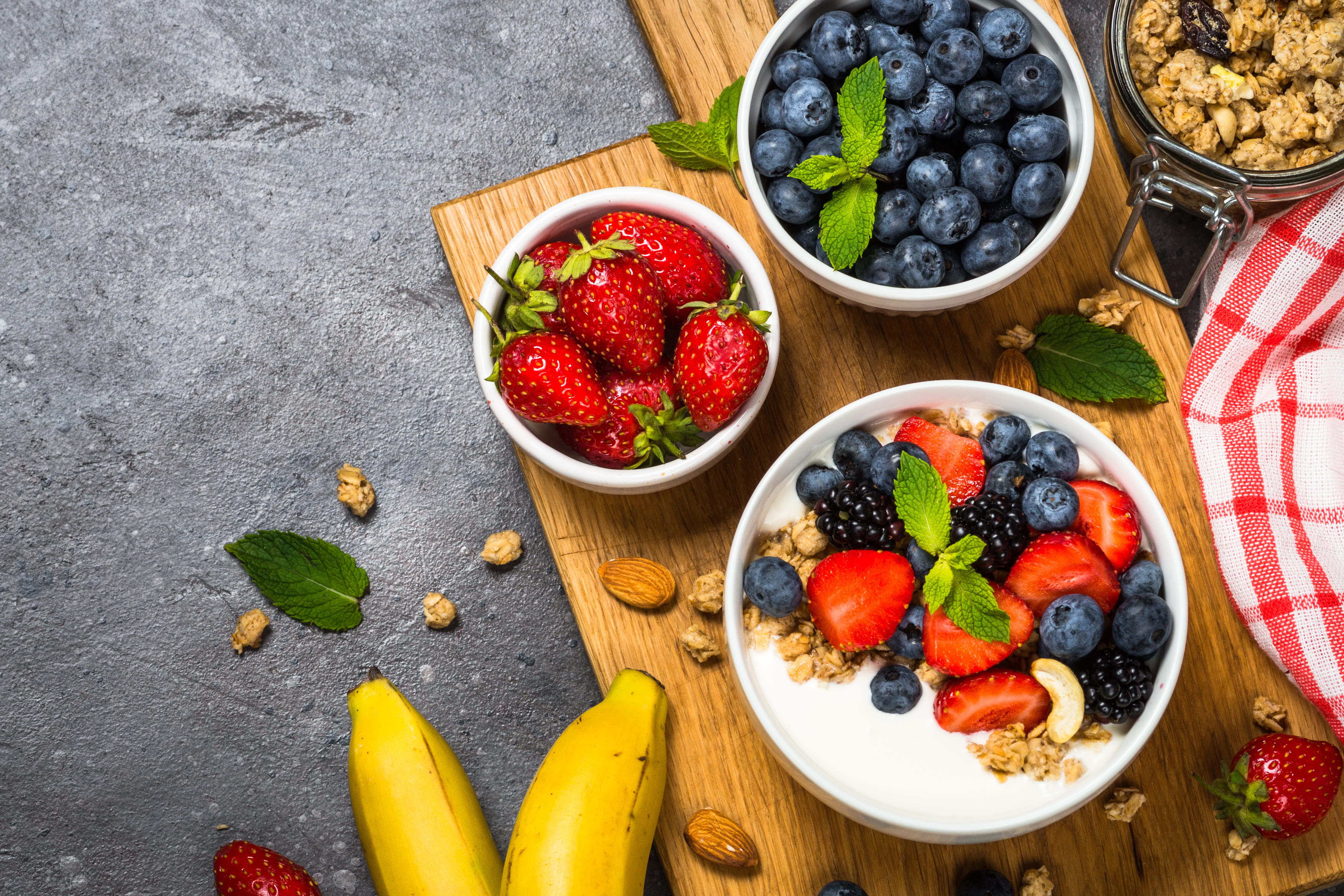
Choosing the right snacks during the UK summer can help support hydration, energy levels and overall wellbeing, especially during periods of warm weather when appetite and fluid needs can change. While highly processed convenience foods may seem appealing during hot days, nutrient-dense foods made with seasonal produce can offer better nutritional value and support a healthier gut microbiome.
In this article, insights are provided by Vivere’s Head of Nutrition, Yusra Serdaroglu Aydin, a registered dietitian with a background in nutrition, food engineering and culinary arts. Her approach is grounded in science and shaped by a strong understanding of personalised nutrition and the human microbiome, helping to explain how summer snacks can support long-term health as well as day-to-day comfort.
In One Sentence:
The healthiest summer snacks are those that combine hydration, balanced nutrition and minimally processed seasonal ingredients to support energy, digestion and overall health during warmer weather.
Key Takeaways
What makes a good summer snack? A good summer snack should provide hydration, balanced macronutrients, protein and dietary fibre to help avoid blood sugar spikes and support steady energy.
What are the best snacks for hydration? Watermelon and cucumber are among the best hydrating foods because they contain high water content and some minerals.
How can you increase protein intake? Plant-based dips such as hummus, along with edamame beans and roasted chickpeas, can help increase protein intake while supporting fullness and digestive health.
Is Greek yoghurt good? Greek yoghurt with British strawberries can provide protein, calcium and natural sugars without the excess saturated fats often found in heavily processed desserts.
What frozen desserts are best? Frozen desserts made from whole foods can be healthier alternatives to products high in refined sugar, artificial ingredients and saturated fats.
Why is hydration an important factor for summer snacks?
Hydration is an important factor for summer snacks because fluid balance supports body temperature regulation, energy production and normal cellular function during hot weather.
During periods of warm weather, the body loses more fluids and electrolytes through sweat, increasing the need for both water and minerals such as potassium and sodium. Water-rich foods can contribute to daily fluid intake and help maintain cellular hydration alongside regular fluid consumption.
Hydrating snacks may also support digestion, concentration and physical comfort during heat exposure. Dietary Reference Intakes highlights the importance of adequate hydration for maintaining fluid balance and supporting healthy body functions [1].
Watermelon
Watermelon is one of the most hydrating summer snacks because it contains a high percentage of water alongside potassium and natural sugars.
The water content in watermelon can help replenish fluids lost through sweat, while its naturally sweet flavour makes it a refreshing alternative to processed snacks. Although watermelon has a higher glycaemic index than some fruits, pairing it with protein-rich foods such as Greek yoghurt or nuts may help reduce rapid blood sugar spikes.
Cucumber
Cucumber supports hydration because it is low in calories and naturally rich in water.
Cucumber can be sliced into salads, added to wraps or paired with hummus for a light summer snack. Its crisp texture and cooling properties make it especially appealing during warm weather, while its water content contributes to overall fluid intake.
Celery
Celery can help support hydration while also providing fibre and important minerals.
Celery contains water-rich plant compounds and can be combined with plant-based dips or nut butters for a balanced snack. Its crunchy texture may also help increase satiety without adding excessive calories.
What are the best protein-rich snacks for summer picnics?
The best protein-rich snacks for summer picnics combine protein, healthy fats and dietary fibre to support satiety and stable blood sugar levels.
Protein-rich snacks can slow digestion rate and help maintain steady energy throughout the day, especially during outdoor activities or long travel periods. Research has shown that balanced macronutrients may improve fullness and support appetite regulation [2] [3]. Plant-based nutrition options can also work well for vegan diets and gluten-free diets while supporting gut microbiome diversity.
Hummus and Vegetable Sticks
Hummus and vegetable sticks provide protein, fibre and healthy fats in a convenient picnic-friendly snack.
Hummus is commonly made from chickpeas, olive oil and tahini, making it naturally rich in plant-based nutrition and dietary fibre. Pairing hummus with cucumber, carrots and celery can help increase vegetable intake while providing balanced nutrition.
Roasted Chickpeas
Roasted chickpeas are a crunchy, high-fibre snack that can support satiety and digestive health.
Chickpeas contain protein and complex carbohydrates that may help support balanced blood sugar levels. Homemade roasted chickpeas can also be seasoned with herbs and spices instead of relying on heavily processed snack products.
Greek Yoghurt
Greek yoghurt is a high-protein snack that may support muscle maintenance and gut health.
Greek yoghurt contains protein and beneficial active cultures that may positively influence the gut microbiome. It can be topped with seasonal fruit or almonds for additional fibre and healthy fats. Unsweetened versions are generally lower in added sugar than flavoured varieties.
Almonds
Almonds provide healthy fats, protein and fibre in a portable snack option.
The healthy fats in almonds may help improve satiety and support steady energy levels during hot weather. Combining almonds with fruit can create a more balanced snack that includes both natural carbohydrates and protein.
Which seasonal UK fruits make the healthiest sweet treats?
Seasonal UK fruits make healthy sweet treats because they provide natural sugars, antioxidants and dietary fibre with less reliance on heavily processed desserts.
Choosing local produce during the summer may support seasonal agriculture while providing fresher ingredients with strong nutritional value. Fruits with a low glycaemic index may also help reduce blood sugar spikes compared with refined sugary snacks.
Comparing Top Summer Fruits
Different summer fruits provide different nutritional benefits depending on their fibre, antioxidant and hydration content.
British Strawberries
British strawberries are rich in vitamin C and antioxidants while having a naturally low glycaemic index.
British strawberries can support immune function and provide dietary fibre without excessive calories. Research has linked strawberry consumption with positive effects on cardiovascular and metabolic health [4]. Their natural sweetness also makes them suitable for healthier desserts such as yoghurt bowls or homemade frozen treats.
Raspberries
Raspberries provide dietary fibre and antioxidants while remaining relatively low in natural sugars.
The fibre content in raspberries may support gut microbiome health and improve satiety. Their low glycaemic index also makes them a useful option for people trying to manage energy levels throughout the day.
Watermelon
Watermelon supports hydration and provides potassium despite having a higher glycaemic index.
Although watermelon contains natural sugars, its high water content may still make it a useful summer snack when eaten in moderation. Pairing watermelon with protein-rich foods may help balance its impact on blood sugar.
How do popular frozen desserts compare for summer snacking?
Popular frozen desserts vary widely in nutritional value depending on their sugar, fat and ingredient content.
Many traditional frozen desserts, such as ice cream and frozen custard, contain high levels of saturated fat, refined sugar and calorie density. Frozen custard often includes egg yolks, while some commercial products may contain artificial sweeteners or glucose syrups. Research into frozen dairy products has highlighted the importance of ingredient quality and processing methods when considering nutritional value [5].
Gelato may contain slightly less fat than standard ice cream, while some frozen yoghurt can provide active cultures that may support gut health. Sorbet is often lower in fat but may still contain large amounts of sugar.
Healthier alternatives include banana nice cream made from frozen banana, homemade yoghurt bark topped with frozen mango or berries and chia seed pudding frozen into snack portions.
These options can provide potassium, healthy fats and fibre while supporting dairy-free preferences when plant-based ingredients are used.
What are the best alternatives to sugary ice lollies?
The best alternatives to sugary ice lollies are homemade or minimally processed frozen snacks made with whole food ingredients.
Many shop-bought ice lollies contain artificial colours, glucose syrups and limited nutritional value. Naturally frozen fruits such as frozen grapes, kiwi slices and frozen banana slices can provide antioxidants and natural sweetness without excessive additives.
Homemade ice lollies made with pure coconut water and British berries may also provide natural electrolytes while reducing refined sugar intake. Using silicone moulds makes it easy to create simple frozen snacks at home using fruit blends or yoghurt-based mixtures.
Yoghurt bark made with Greek yoghurt and topped with pomegranate seeds or berries can provide protein alongside natural sweetness. These options are often more filling than standard ice lollies and may support steadier energy levels.
How can I prepare quick, no-bake, healthy snacks?
Quick, no-bake healthy snacks can provide balanced nutrition without requiring cooking during hot weather.
No-bake healthy snacks are especially useful during periods of high ambient temperature when people may prefer lighter foods or want to avoid using ovens. Combining healthy fats, complex carbohydrates and protein can help create more satisfying snacks.
Energy Balls
Energy balls provide portable nutrition using whole food ingredients such as oats, dates and peanut butter.
Energy balls can be prepared in a food processor using chia seeds, nuts and dried fruit for additional fibre and texture. These snacks can support sustained energy and are easy to store in the fridge for convenient summer snacking.
Chia Seed Pudding
Chia seed pudding provides fibre, omega fatty acids and hydration support in a simple no-bake recipe.
Chia seeds absorb liquid and form a pudding-like texture when combined with plant milk or dairy milk. Research has suggested that chia-based foods may support satiety and improve nutritional intake due to their fibre and healthy fat content [6]. Toppings such as berries, nuts or frozen mango can further improve flavour and nutrient content.
Frequently Asked Questions About Summer Snacking
What are the best low-calorie snacks for hot weather?
The best low-calorie snacks for hot weather are water-rich vegetables and fruits that provide micronutrients and hydration.
Examples include bell peppers, cherry tomatoes and cucumber slices paired with hummus or yoghurt-based dips. These foods are generally low in calories while still providing fibre, vitamins and minerals.
How do I keep snacks fresh at the beach?
Snacks can stay fresh at the beach by using insulated cool bags, ice packs and airtight containers.
Proper food preservation is important during hot weather because higher temperatures can increase the risk of food spoilage. Keeping perishable foods chilled may help maintain both safety and quality during travel.
Are ice lollies considered a healthy snack?
Ice lollies can be healthy if they are made from whole food ingredients with limited refined sugar and artificial colours.
Homemade versions using fruit, yoghurt or coconut water are usually more nutritious than heavily processed products. Checking ingredient labels may help identify products with lower added sugar and fewer additives.
Nutritionist's Corner: Final Thoughts
“Healthy summer snacking is about more than simply choosing lower-calorie foods. Hydration, sustained energy and nutrient quality all play important roles in supporting wellbeing during warm weather. Water-rich seasonal produce such as cucumber, watermelon and berries can support hydration while providing antioxidants and fibre. Combining these foods with protein sources and low glycaemic index ingredients may help reduce the mid-afternoon energy slump and support steadier blood sugar levels. Whole foods and plant-based foods can also contribute positively to the gut microbiome, helping to support digestion and long-term health throughout the summer season.”
Vivere helps you take control of your health with personalised insights from state-of-the-art gut microbiome testing, nutritional guidance, science-backed biohacking supplements, NAD+ supplementation and expert support. Sign up today and start living better, for longer.
Sources
[1] Dietary Reference Intakes for Water, Potassium, Sodium, Chloride, and Sulfate (2005)
[3] Snack Food, Satiety, and Weight - PMC
[6] Full article: Chia seeds: a nutrient-dense functional food for health and nutrition
Author

Yusra Serdaroglu Aydin, MSc RD
Head of Nutrition and Registered Dietitian
Yusra is a nutritionist with a multidisciplinary background in nutrition, food engineering, and culinary arts. During her education, her curiosity abo...