How Many Calories Are In A Banana?
Last Updated: 01 May 2026
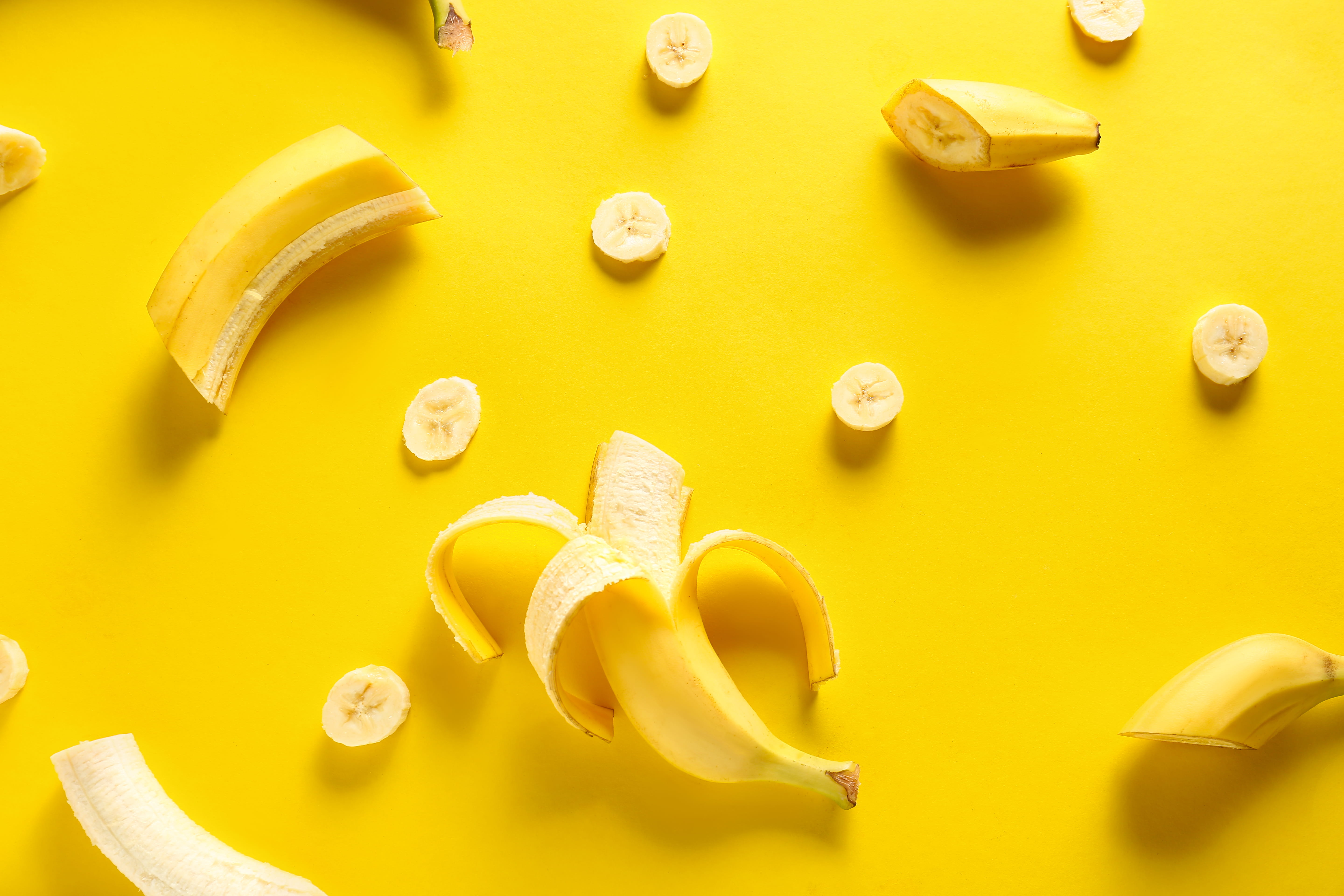
A banana is a widely available fruit that provides natural energy, essential nutrients and a modest calorie content that fits easily into most diets. According to food composition data, a medium banana contains around 105 calories, measured as kilocalories (kcal), making it a practical option for supporting energy intake while maintaining a healthy weight [1].
This article explains the calorie content of bananas, how size and ripeness affect their nutritional value, and how they fit into a balanced diet. The insights shared here are provided by Vivere's Head of Nutrition, Yusra Serdaroglu Aydin, a registered dietitian with a background in nutrition, food engineering and culinary arts. Her approach is grounded in science and shaped by a strong understanding of personalised nutrition and the human microbiome.
In One Sentence:
A medium banana contains about 105 calories and offers a nutrient-rich, modest-calorie snack that supports steady energy and overall health.
Key Takeaways
How many calories are in a medium banana? A medium size banana contains around 105 calories and about 27 grams of carbohydrates.
Are bananas high in carbohydrates? Yes, but these carbohydrates are naturally occurring and paired with dietary fibre, supporting balanced energy.
Are bananas good for weight loss? Bananas can support weight loss when included in a balanced diet due to their fibre content and ability to promote satiety.
What are the benefits of bananas? Bananas provide quick energy while helping you feel fuller for longer compared to many processed foods.
Is a banana a good snack? As a natural snack, bananas are a convenient alternative to processed foods and can support healthier eating habits.
Calorie Count By Banana Size: Small, Medium, and Large
The calorie content of a banana varies depending on its size and weight, which directly influences its overall nutritional value.
A small banana (100g) typically contains around 89 kilocalories, while a medium banana (118g) contains about 105 kilocalories. A large banana (136g) provides roughly 121 kilocalories, and an extra large banana (152g) can contain approximately 135 kilocalories.
These differences are based on grams and weight, making portion size important when considering energy calculation. In everyday life, a banana taken from a fruit bowl may vary in size, so understanding these ranges can support more accurate food tracking. Despite these variations, bananas remain a nutrient-dense option that provides consistent energy without excessive calorie intake.
Do green bananas have fewer calories than yellow ones?
Green bananas and yellow bananas contain similar base calories, but their composition changes during ripening, affecting how the body digests them.
Green bananas, which are unripe, contain more resistant starch and fewer natural sugars such as fructose and glucose. As the banana ripens into a yellow banana, this resistant starch is gradually converted into simple sugars through a natural chemical change, increasing sweetness and altering digestion speed. Research shows that resistant starch behaves differently in the body, supporting slower digestion and a more gradual impact on blood sugar [2] [3].
On the other hand, ripe bananas, especially brown spotted bananas, are digested more quickly and may lead to a faster rise in blood sugar. Despite these differences in ripeness stage and sweetness, the total calorie content remains similar, meaning the choice between green and yellow bananas is more about digestion and taste than calorie reduction.
Carbohydrates, Fibre, and Potassium: What else are you eating?
Bananas provide more than just calories, offering a combination of carbohydrates, dietary fibre and essential nutrients that support overall health.
A typical banana contains carbohydrates that act as a primary energy source, along with dietary fibre that supports digestion and gut health. Fibre intake has been linked to improved health outcomes, including better digestion and reduced risk of certain chronic conditions [4].
Bananas are also rich in potassium, an essential mineral that supports heart health and muscle recovery. They provide vitamin B6 and small amounts of vitamin C, both of which contribute to energy metabolism and immune function. Together, these nutrients make bananas a nutrient-dense fruit that supports digestion, energy levels and overall wellbeing, rather than simply contributing to calorie intake alone.
Are bananas fattening? The Weight Loss Myth
Bananas are not fattening when eaten in moderation, and can fit well within a weight management plan as part of a balanced lifestyle.
The idea that bananas lead to weight gain often comes from misunderstanding their natural sugar content, yet research suggests that foods high in dietary fibre can improve satiety and help regulate hunger [5] [6]. Bananas can help you feel fuller for longer, reducing the likelihood of reaching for processed foods such as a chocolate biscuit or a bag of crisps.
Unlike artificial sweets, bananas provide natural carbohydrates which can make them a more balanced snack choice. When included in a balanced lifestyle, bananas can be a satisfying alternative to highly processed snacks and may support healthier food choices over time.
Nutritionist's Corner: Final Thoughts From Yusra
“Bananas provide a balanced mix of kilocalories, natural carbohydrates and resistant starch, making them a valuable addition to a healthy diet. Their nutritional value goes beyond simple calorie counting, supporting satiety, natural energy and better food choices when compared with options like a processed biscuit. Whether eaten as a quick snack or part of a meal, bananas can contribute to overall health by delivering steady energy and essential nutrients.”
Vivere helps you take control of your health with personalised insights from state-of-the-art gut microbiome testing, nutritional guidance, science-backed biohacking supplements, NAD+ supplementation and expert support. Sign up today and start living better, for longer.
Sources
[1] FoodData Central Food Search - USDA
[2] Resistant starch: promise for improving human health - PubMed
[4] Carbohydrate quality and human health: a series of systematic reviews and meta-analyses - The Lancet
Author

Yusra Serdaroglu Aydin, MSc RD
Head of Nutrition and Registered Dietitian
Yusra is a nutritionist with a multidisciplinary background in nutrition, food engineering, and culinary arts. During her education, her curiosity abo...