Liposomal Supplement Stability: Are Your Liposomal Supplements Degrading?
Last Updated: 18 September 2026
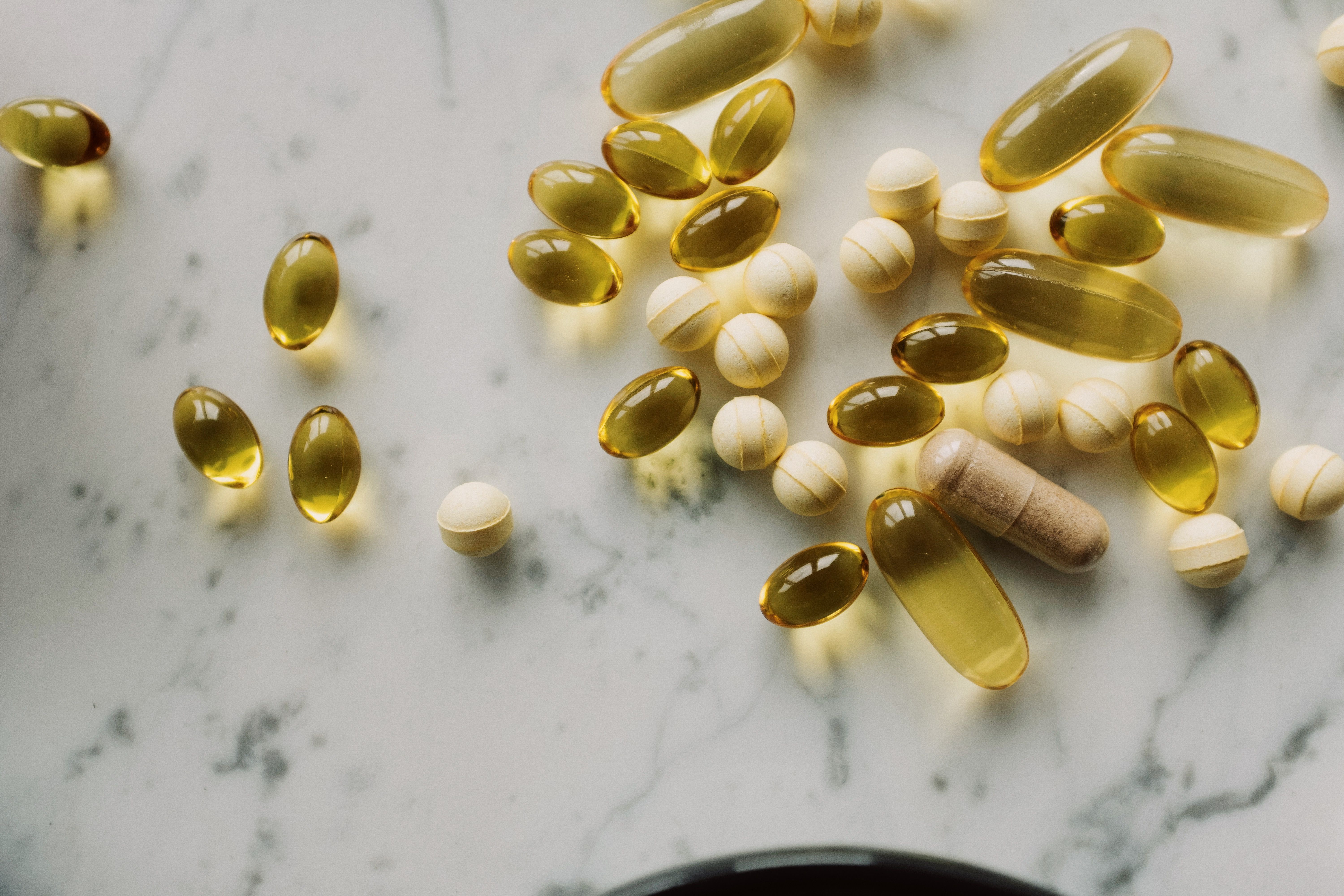
Liposomal supplement stability is an important consideration when choosing advanced nutrition products, particularly as liposomal supplements become increasingly popular in the UK. Liposomal delivery technology is designed to improve the way certain ingredients are transported by surrounding them within lipid-based structures, but the stability of these structures can influence product quality and performance.
In this article, the insights provided are from Vivere’s Head of Nutrition, Yusra Serdaroglu Aydin MSc RD, a Dietitian with a background in nutrition, food engineering and culinary arts. Her approach is grounded in science and shaped by a strong understanding of personalised nutrition and the human microbiome, helping provide consumer guidance around formulation chemistry, nutrition and how to assess absorption claims linked to liposomal NAD+ and other liposomal products.
Understanding whether liposomal supplements degrade requires looking beyond the liposomal label. Factors such as formulation, storage conditions, ingredient stability and the quality of the delivery system can affect how a product performs over time. Although liposomal supplements are often marketed as premium quality options, consumers should consider the underlying science, including peer-reviewed pharmaceutical and food-science research, rather than relying only on claims about improved absorption.
In One Sentence:
Liposomal supplement stability depends on the formulation, physical form, storage conditions and protection of the lipid structure, with liquid liposomal suspension generally facing different stability challenges compared with freeze-dried formats.
Key Takeaways
Do liposomal supplements degrade over time?
Yes, liposomal supplements can degrade as phospholipids within the vesicle are affected by hydrolysis, oxidation, heat, light and air exposure.
Are dry or liquid liposomal supplements more stable?
Dry liposomal formats are often more shelf-stable because freeze-drying reduces water-related degradation, while liquid liposomal products require greater attention to storage conditions.
Does liposomal NAD+ work better than a normal NAD+ pill?
Liposomal NAD+ uses a delivery approach designed to protect ingredients, but current evidence around oral NAD+ absorption remains limited compared with research on NAD+ precursors such as NR and NMN.
How should I store liposomal supplements?
Liposomal supplements should be stored according to the manufacturer’s instructions, usually in a cool, dark, dry place away from heat, moisture and direct sunlight.
Why does the supplement format matter?
The difference between a dry capsule and liquid suspension can affect stability because water enables processes such as phospholipid hydrolysis and may influence long-term product quality.
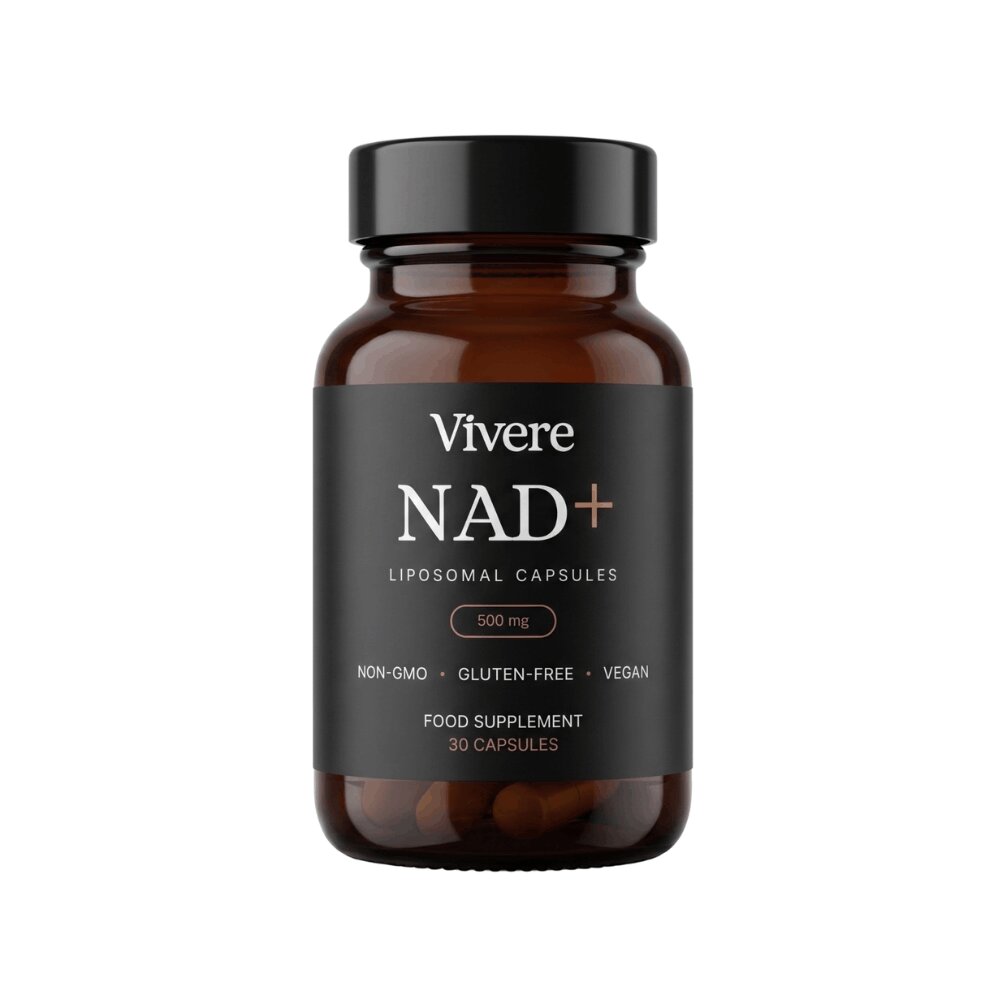
What Is a Liposomal Supplement, and What Does "Stable" Mean?
A liposomal supplement is a product that uses a liposome, a spherical vesicle made from phospholipids, to surround and transport active ingredients while maintaining structural integrity.
Liposomes are microscopic structures formed from a phospholipid bilayer, which creates a lipid shell around an aqueous core. This design allows liposomes to carry both hydrophilic and lipophilic actives, depending on where the ingredient interacts within the structure.
Many liposomal formulations use phosphatidylcholine, a key phospholipid commonly sourced from ingredients such as sunflower lecithin. The phospholipid bilayer creates a barrier that can help separate active ingredients from the surrounding environment.
A stable liposomal supplement is not simply one that contains lipids. Stability refers to how well the liposome maintains its physical structure, chemical composition and ability to contain its active ingredient throughout its intended shelf life.
A 2025 review of liposomal encapsulation in food systems explains that liposomes self-assemble from phospholipids into bilayer vesicles and that the choice of lipids, alongside ingredients such as cholesterol, can influence stability and permeability [1].
This means that formulation decisions matter. The type of phospholipid used, the ratio of ingredients, the manufacturing process and packaging choices can all affect whether a liposomal product remains stable over time.
What Controls Liposomal Supplement Stability?
Liposomal stability is controlled by several chemical and physical factors, including the strength of the phospholipid shell, exposure to water, heat, light and oxygen and the likelihood of lipid bilayer degradation.
The phospholipid membrane that forms the liposome must remain intact for the structure to function as intended. Over time, chemical reactions can weaken this structure and may contribute to leakage of the encapsulated ingredients.
Research into the chemical stability of liposomes identifies two major degradation pathways: hydrolysis and oxidation. Hydrolysis involves reactions with water, while oxidation occurs when lipids react with oxygen. These processes can affect the chemical structure of phospholipids and may lead to physical instability [2].
Another review of liposomal systems highlights that oxidation of unsaturated lipids can affect stability, while factors such as antioxidants, cholesterol and appropriate packaging may help improve protection [1].
Lipid systems can also experience aggregation, fusion and leakage over time, particularly when stored as aqueous formulations. Research on long-term stability of lipid systems shows that these changes can influence particle size and the ability of the liposome to retain its contents [3].
The Water Problem: Hydrolysis
Hydrolysis occurs when water reacts with the chemical bonds within a phospholipid, potentially breaking down the molecules that maintain the liposome structure.
In a liquid liposomal suspension, water is naturally present as part of the formulation. This creates an environment where phospholipid hydrolysis can occur over time. When phospholipids break down, they may form lysophospholipids and free fatty acids, which can weaken the membrane.
The result may be a less stable aqueous suspension, as the weakened membrane can become more likely to leak its contents. Hydrolysis can also become more significant depending on factors such as temperature, pH and storage conditions.
Temperature dependence is particularly important because warmer conditions can accelerate chemical reactions. In some situations, degradation products may contribute to autocatalytic degradation, where the breakdown process becomes increasingly difficult to control.
Freeze-drying can help address this challenge by removing water from the formulation. Without available water, hydrolysis reactions are significantly reduced, which is one reason freeze-dried liposomal formats are often considered more suitable for long-term storage.
The Air and Heat Problem: Oxidation
Oxidation occurs when oxygen interacts with lipids, particularly unsaturated fats found within some phospholipid membranes.
The phospholipid membrane can be vulnerable to oxidation when exposed to oxygen, light, heat and trace metals. These factors can trigger chemical degradation routes that change the structure of the lipid components.
Oxidative damage may contribute to physical changes, including aggregation, fusion, changes in vesicle size and leakage of encapsulated ingredients.
Packaging plays an important role in reducing exposure to these factors. High-quality formulations may use protective packaging strategies to limit contact with oxygen, moisture and light throughout the product’s shelf life.
Are Dry or Liquid Liposomal Supplements More Stable?
Dry liposomes generally offer greater shelf stability than liquid liposomes because removing water reduces the chemical reactions that can damage phospholipid structures.
Liquid liposomes are already suspended in water, meaning they must remain stable within an aqueous environment throughout storage. Dry liposomes, including freeze-dried or lyophilised formats, are stored without the same level of water exposure and can be rehydrated when required.
Freeze-Drying
Freeze-drying works by removing water while aiming to preserve the liposome structure. However, the process requires careful formulation because removing water can also cause vesicle fusion or leakage if the liposomes are not adequately protected.
Lyoprotectants
Protective sugars, known as lyoprotectants, can help maintain structure during freeze-drying. Ingredients such as trehalose and sucrose may help prevent fusion and leakage by supporting the phospholipid structure during the drying process [4].
Research on liposome lyophilisation explains that freeze-drying with suitable lyoprotectants is a common approach for improving long-term liposome stability, although both the formulation and manufacturing process are important [5].
A study comparing aqueous, frozen and freeze-dried liposome storage found that liposomes stored in aqueous dispersion could lose a substantial proportion of their entrapped contents over time, while factors such as cholesterol could help reduce leakage [6].
Liquid liposomal supplements are not automatically poor quality, but they often require more careful storage. Refrigeration, controlled temperatures and suitable packaging may be necessary to maintain stability.
Freeze-dried formats can offer practical advantages for shelf life, but stability still depends on the quality of the formulation, the ingredients used and how the product is packaged.
Worth Knowing
Shelf life is influenced by more than whether a supplement belongs to the liposomal category. The stability of the lipids, the active ingredient, packaging and storage conditions all contribute to how long a product maintains its quality.
A supplement’s expiry date provides the manufacturer’s indication of how long the product should remain within specification when stored correctly. Following storage instructions is essential because exposure to heat, humidity, sunlight or poor handling can affect product quality before the expiry date.
Consumers should consider the full formulation rather than focusing only on the presence of liposomes. A well-designed product should provide clear information about ingredients, storage requirements and quality controls.
How Can You Tell if a Supplement Is Genuinely Liposomal?
A genuinely liposomal supplement is defined by its organised vesicle structure rather than simply containing phospholipids or using the word “liposomal” on the label.
The term liposomal has become increasingly common across the supplement industry, but the presence of ingredients such as lecithin or phospholipids alone does not automatically confirm that a product contains properly formed liposomes.
To substantiate that a finished product is genuinely liposomal, appropriate characterisation of the vesicle structure and particle properties is needed. A product’s label should therefore be assessed alongside evidence of how the formulation was developed.
“When choosing a liposomal supplement, it’s important to look beyond the label. The quality of the formulation, the phospholipids used, how the liposomes are protected and the evidence supporting the product all matter. A transparent formulation makes it easier to understand what you’re actually choosing.”
After Consumption
Another important consideration is what happens after consumption. Research on modification strategies of oral liposomes suggests that stomach acid and pepsin can disrupt the liposome bilayer, while bile salts and pancreatic enzymes can further affect phospholipids and contribute to premature leakage [7].
This does not mean liposomal delivery systems cannot be useful. It highlights the importance of understanding that formulation quality, digestive conditions and human biology all influence how a supplement behaves after ingestion.
Does Liposomal NAD+ Degrade, and Is It Worth It?
Liposomal NAD+ is designed to use liposome delivery technology to protect NAD+ and potentially improve how the ingredient is transported, but consumers should have realistic expectations about NAD+ degradation, chemical stability and oral absorption.
NAD+ (nicotinamide adenine dinucleotide) is an important molecule involved in cellular processes, including energy metabolism. However, NAD+ is also a large charged molecule, which creates challenges for absorption and stability.
The body does not simply absorb all orally consumed NAD+ and deliver it directly into cells. Research suggests that orally consumed NAD+ precursors such as nicotinamide riboside (NR) and nicotinamide mononucleotide (NMN) are processed through biological pathways rather than absorbed as intact NAD+. A recent study found that orally administered NR and NMN are degraded to nicotinamide and processed through gut microbiota and enterohepatic circulation [8].
Research on NR supplementation has shown that it can raise NAD+ levels and was generally well tolerated, although individual outcomes and physiological effects require further investigation [9].
Similarly, trials investigating NR and NMN have reported increases in NAD+ metabolites, while functional benefits have varied depending on the population and outcome measured [10].
The current evidence supports honest expectations. Liposomal NAD+ may offer an interesting delivery approach, but delivery format alone does not guarantee improved outcomes.
Why NAD+ is Hard to Stabilise and Absorb
NAD+ (nicotinamide adenine dinucleotide) can be challenging to formulate because it is a large charged molecule that is sensitive to environmental conditions such as heat, light and moisture.
Once consumed, digestive breakdown, gut absorption and membrane permeability all influence how much of a compound becomes available to the body. This is why research has focused heavily on NAD+ precursors such as NR and NMN, which the body can use in cellular resynthesis pathways.
A liposomal delivery system aims to address some formulation challenges by surrounding ingredients within a lipid structure. However, stability of the delivery system and biological absorption are separate questions.
The Point Everyone Misses: Shelf Stability is Not Absorption
Shelf stability versus bioavailability is one of the most important distinctions when evaluating supplements.
A dry capsule may have excellent shelf stability because it is protected from moisture and environmental damage. A liposomal capsule may also have a carefully designed formulation. However, maintaining a product on a shelf does not automatically prove that the active ingredient is absorbed more effectively by the body.
Marketing claims sometimes combine these concepts, suggesting that a more stable product will always result in improved absorption. In reality, oral NAD+ absorption remains an area where human evidence is still developing.
Packaging, formulation and storage can help preserve a supplement, but they do not replace clinical evidence showing how the ingredient behaves after consumption.
What the Evidence Supports Instead
Current research provides stronger evidence for certain NAD+ precursors, including nicotinamide riboside (NR) and nicotinamide mononucleotide (NMN), than for broad claims that all liposomal NAD+ products provide superior absorption.
Human trials have shown that NR and NMN can increase NAD+ levels and have generally demonstrated good tolerability. However, evidence for wider health outcomes remains an active area of research, with results varying depending on the population studied and the specific outcome measured.
“It’s important to keep expectations around supplements realistic. A liposomal format may offer formulation advantages, but it is only one part of the bigger picture. A balanced diet, regular movement, quality sleep and sustainable everyday habits remain the foundations of supporting long-term health.”
Know the UK Position
The regulatory position of NAD+ related supplements in the UK is important when assessing products and claims.
Nicotinamide riboside (NR) has authorised novel food status in Great Britain when used under approved conditions. NMN does not currently have the same authorisation status for sale as a food supplement in Great Britain.
The Food Standards Agency (FSA) maintains the UK register of regulated products and novel food authorisations, which provides information about ingredients requiring regulatory approval [11].
Consumers should speak with an appropriate healthcare professional, such as a pharmacist or GP, before using products that fall outside standard food supplement categories.
How Should You Store and Choose Liposomal Supplements in the UK?
Choosing a liposomal supplement involves considering formulation quality, transparency, storage requirements and whether the product fits within a balanced approach to nutrition.
Supplement storage instructions should always be followed. Most products should be kept in a cool, dark, dry place away from humidity, sunlight and excessive heat unless the manufacturer specifies refrigeration.
Consumers should look for ingredient transparency, information about the phospholipid source, third-party testing and recognised quality and safety standards.
A reputable UK retailer should provide clear details about ingredients, expiry dates and appropriate use rather than relying only on marketing language.
“Supplements can help top up nutritional intake, but they should not replace a balanced diet. Supporting cellular energy involves a combination of good nutrition, regular activity, healthy lifestyle choices and choosing delivery systems based on evidence and transparency.”
NHS Advice
The NHS advises that most people can get the nutrients they need from a varied and balanced diet, with supplements being useful in specific situations where there is a recognised need [14].
Food First
The body naturally produces NAD+ through pathways involving nutrients such as vitamin B3 (niacin) and tryptophan.
Foods that contribute to nutritional foundations include poultry, fish, eggs, peanuts and wholegrains. A varied diet provides a range of nutrients that support normal cellular processes and overall health.
Rather than relying on a single supplement, a food-first approach helps provide the building blocks needed for NAD+ synthesis alongside other important biological functions.
Frequently Asked Questions
Do liposomal supplements need to be refrigerated?
Liposomal supplements may require refrigeration depending on whether they are liquid liposomal products or dry formats and what the manufacturer recommends.
Liquid liposomal products often need more careful storage because the aqueous environment can increase the risk of hydrolysis, oxidation and changes to the liposome structure over time. Refrigeration may help slow certain degradation processes, although it does not prevent all chemical changes.
Freeze-dried capsules and other powdered liposomal formats usually have greater shelf stability because they contain less available water. However, they should still be stored according to the label instructions.
Storage requirements should always be followed because the ideal conditions depend on the specific formulation, packaging and ingredients used.
How long do liposomal supplements last?
The shelf life of liposomal supplements depends on the liposomal category, the stability of the lipids, the active ingredient, packaging design and storage conditions.
Freeze-dried formats may often maintain stability for longer periods because reduced moisture limits hydrolysis. Liquid liposomal products may have shorter stability windows because they require the liposome structure to remain intact within an aqueous suspension.
The expiry date on the packaging provides the manufacturer’s guidance on how long the supplement should remain within specification when stored correctly.
Factors such as exposure to humidity, heat, sunlight and air can influence product quality. Keeping supplements in their original packaging and following storage instructions can help protect the formulation throughout its intended shelf life.
Is liposomal NAD+ better than NMN or NR?
Liposomal NAD+ and NAD+ precursors such as nicotinamide riboside (NR) and nicotinamide mononucleotide (NMN) use different approaches, meaning they cannot be compared only by delivery format.
Liposomal NAD+ focuses on using a liposome delivery system to protect NAD+ within a lipid structure. However, oral NAD+ has challenges because the molecule is large, charged and subject to digestive processes that can affect absorption.
NR and NMN are NAD+ precursors, meaning the body can use them as starting materials in pathways involved in NAD+ production. Human trial evidence has shown that both can increase NAD+ levels, although the wider effects on health outcomes remain under investigation.
NMN also has regulatory considerations in Great Britain, where it is not currently authorised as a food supplement ingredient. Consumers should check the regulatory status of products before purchase and choose supplements from transparent sources.
The most appropriate option depends on the ingredient, evidence base, formulation quality and individual circumstances.
Does freeze-drying damage liposomes?
Freeze-drying does not necessarily damage liposomes when the process is carefully controlled and suitable protective ingredients are used.
Lyophilisation is a technique used to remove water from formulations while aiming to preserve the original structure. However, without protection, the removal of water can contribute to vesicle fusion, leakage or structural changes.
Lyoprotectant sugars such as trehalose and sucrose can help protect liposomes during freeze-drying by supporting the phospholipid structure and reducing damage during dehydration.
A well-designed freeze-dried liposomal product should consider both the drying process and how effectively the liposomes can reform after rehydration.
Can I trust a supplement just because it says "liposomal"?
A liposomal label alone does not guarantee a high-quality delivery system because the term does not provide complete information about formulation quality.
Consumers should look for details about the specific phospholipid used, evidence of characterisation, third-party testing and transparent references supporting absorption claims.
A quality liposomal supplement should explain how the formulation was developed rather than relying only on the word “liposomal” as a marketing message.
Nutritionist's Corner: Final Thoughts
“Understanding liposomal delivery requires looking beyond the label and considering the science behind stability, formulation and absorption. Liposomes can be affected by water, heat, light and oxygen, meaning factors such as packaging, storage conditions and whether a product is dry or liquid can influence shelf stability. However, shelf stability versus bioavailability remains an important distinction, as a stable supplement does not automatically guarantee improved absorption or health outcomes.
Choosing supplements responsibly also means focusing on strong foundations. Keeping products stored in a cool, dark, dry place, selecting transparent formulations and prioritising food and lifestyle habits can all contribute to supporting cellular energy and overall wellbeing. Supplements may complement a healthy lifestyle, but they work best alongside a balanced diet, regular movement and sustainable daily habits.”
Vivere helps you take control of your health with personalised insights from state-of-the-art gut microbiome testing, nutritional guidance, science-backed supplements, NAD injections and expert support. Sign up today and start living better, for longer.
Sources
[2] Chemical stability of liposomes: implications for their physical stability - ScienceDirect
[4] Protective Effect of Saccharides on Freeze-Dried Liposomes Encapsulating Drugs - Frontiers
[5] Lyophilization of Liposomal Formulations: Still Necessary, Still Challenging
[7] Surface modification strategies of oral liposomes: functional design and barrier enhancement
[11] Regulated Food and Feed Products for Great Britain - FSA
Author

Yusra Serdaroglu Aydin, MSc RD
Head of Nutrition and Registered Dietitian
Yusra is a nutritionist with a multidisciplinary background in nutrition, food engineering, and culinary arts. During her education, her curiosity abo...