Magnesium-Rich Foods: Evening Snacks To Support Better Sleep Quality
Last Updated: 19 June 2026
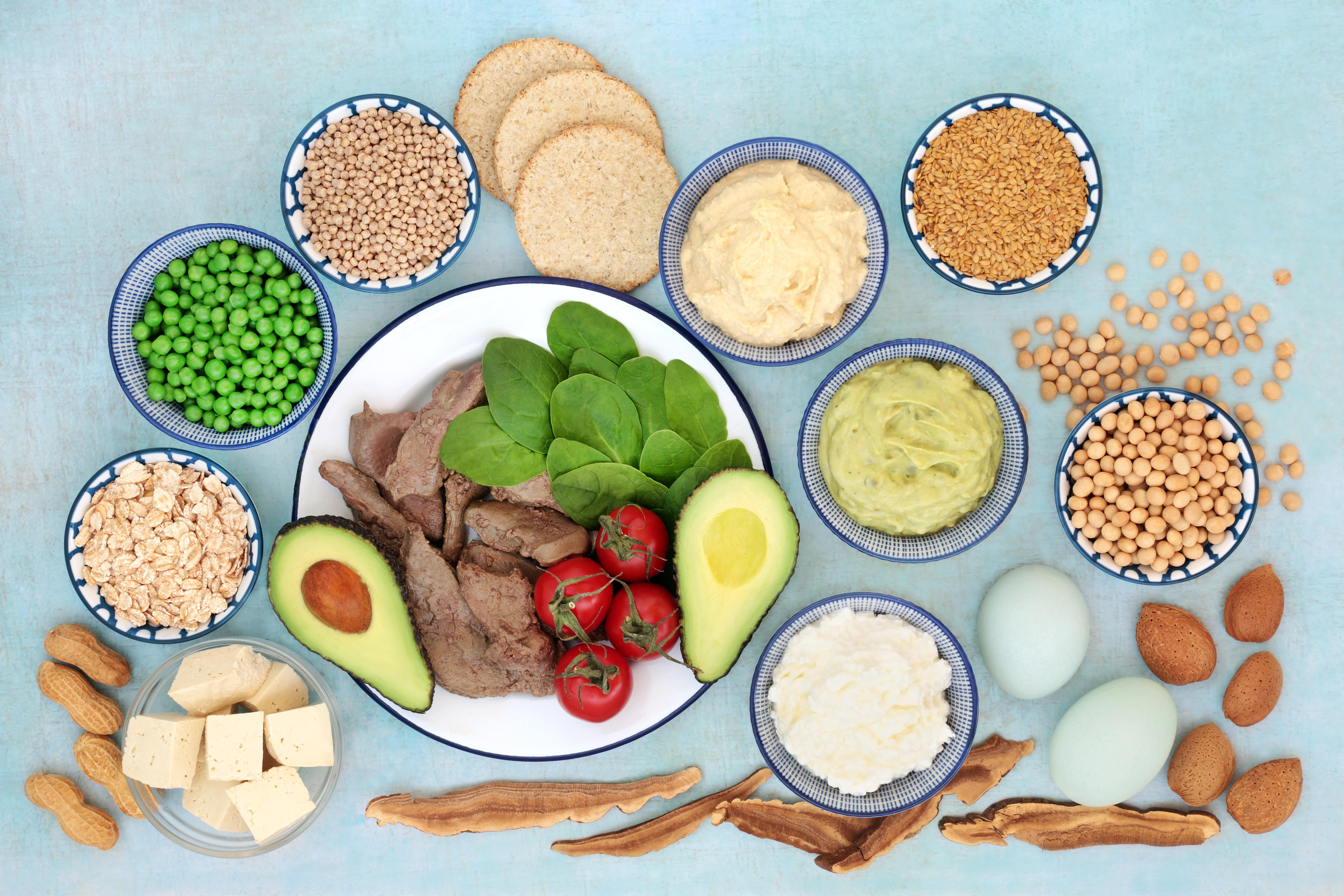
Magnesium plays an important role in supporting the central nervous system and improving sleep quality, making it an essential nutrient for those seeking better rest.
The insights provided in this article are informed by Vivere’s Head of Nutrition, Yusra Serdaroglu Aydin, a registered dietitian with a background in nutrition, food engineering and culinary arts, whose approach is grounded in science and shaped by a strong understanding of personalised nutrition and the human microbiome.
Research shows that magnesium acts as a natural relaxant, helping to ease muscle relaxation and calm evening anxiety, which supports a smoother transition into the deep sleep cycle and more restorative rest [1]. Unlike sleeping pills, which often mask symptoms, magnesium works as a messenger within the body, supporting natural biological processes that promote healthy sleep patterns.
In One Sentence:
Magnesium-rich evening snacks can naturally support better sleep quality by calming the nervous system and promoting relaxation before bed.
Key Takeaways
How does magnesium help you sleep? Magnesium supports brain chemicals that regulate the internal stress response, helping the body relax naturally.
What is the best high-magnesium evening snack? Options such as pumpkin seeds, almonds and bananas are magnesium-containing foods that may fit well into an evening snack.
How long before bed should I eat my snack? Aim to eat your snack around 90 to 120 minutes before sleep to allow proper digestion time.
Why is portion control important? Smaller portions help prevent discomfort and support stable sleep patterns without overloading digestion.
Can food replace sleep supplements? In many cases, nutrient-dense foods can support sleep without the need for supplements, depending on individual needs.
How Magnesium Calms Your Brain for Sleep
Magnesium helps regulate neurotransmitters that quieten brain activity and prepare the body for sleep.
Magnesium supports the production and function of GABA, or gamma-aminobutyric acid, which acts as a biological off switch for the brain by reducing excessive nerve signals [2]. This process allows brain cells to slow down, encouraging a calm state that is essential for falling asleep. It also helps regulate cortisol, the body’s primary stress hormone, which often rises during periods of evening stress and disrupts sleep.
By influencing these chemical pathways within the central nervous system, magnesium creates the right conditions for relaxation and rest. When levels are adequate, the body is better equipped to manage stress, stabilise mood and transition into sleep more easily.

Top Magnesium-Rich Snacks to Eat Before Bed
Certain natural whole foods rich in magnesium can support relaxation, stable energy and improved sleep when eaten in the evening.
Magnesium-rich snacks offer slow-release energy and help maintain blood sugar regulation overnight, reducing the risk of disturbances such as nighttime muscle cramps or restless legs [1] [3] [4]. These foods also provide a range of dietary minerals that work together to support overall sleep health.
Pumpkin Seeds
Pumpkin seeds are one of the richest sources of magnesium and are ideal for a simple evening snack.
They provide a concentrated dose of magnesium along with healthy fats and protein, which help stabilise blood sugar levels through the night. This steady energy release supports uninterrupted sleep and reduces the likelihood of waking due to hunger or discomfort.
Pumpkin seeds are also linked to supporting muscle function, which may help reduce nighttime muscle cramps and promote physical relaxation.
Almonds and Cashews
Almonds and cashews offer a balanced combination of magnesium, healthy fats and protein that supports relaxation and satiety.
These nuts are nutrient-dense foods that can be included in an evening snack to support both brain and body relaxation. Almonds are particularly known for their magnesium content, while cashews provide additional minerals that contribute to nerve and muscle function. Their nutrient profile helps maintain stable energy levels overnight, reducing fluctuations that can disrupt sleep. Keeping portion sizes moderate is important, as they are energy-dense foods.
Bananas
Bananas provide magnesium alongside potassium, which supports muscle function and relaxation.
Potassium plays a key role in preventing muscle tension and cramps, making bananas especially helpful for those who experience restless legs at night. Their natural sugars offer a gentle energy boost without causing a sharp blood sugar spike, while their fibre content supports gradual digestion. This combination makes bananas a practical and accessible bedtime snack.
Dark Chocolate
Dark chocolate with at least 70% cocoa contains magnesium and can be enjoyed in small amounts before bed.
It also contains antioxidants that support overall health, but it is important to be mindful of its trace caffeine content. While the amount is relatively low, consuming large portions could interfere with sleep for some individuals. When eaten in moderation, dark chocolate can provide a satisfying and calming treat that contributes to daily magnesium intake.
Timing Your Evening Snack for Maximum Rest
Eating your evening snack at the right time allows your body to digest properly and supports better sleep quality.
The digestive system remains active after eating, and consuming food too close to bedtime can lead to discomfort such as heartburn or indigestion, which may disrupt sleep [5]. Allowing 90 to 120 minutes before going to bed gives the body enough time to begin digestion and move nutrients into the bloodstream.
This timing helps ensure that magnesium and other nutrients are available to support relaxation without overburdening the digestive system. Avoiding heavy meals late at night is also important, as large portion sizes can increase the risk of poor sleep quality.
Foods That May Interfere with Sleep
Certain foods and drinks can deplete magnesium levels and interfere with the body’s natural sleep processes.
Refined sugars, low fiber and high saturated fat foods, alcohol and caffeine are among the main contributors to magnesium depletion and poor sleep [6].
Biscuits
Sugary biscuits and other refined carbohydrates can cause a rapid blood sugar spike followed by a crash, which may disrupt the deep sleep cycle.
Alcohol
Alcohol, although sometimes perceived as relaxing, can interfere with REM sleep, leading to fragmented sleep.
Caffeine
Caffeine stimulates the central nervous system and can remain in the body for several hours, increasing alertness when the body should be winding down. These factors can affect alertness, sleep timing, and sleep quality, especially when consumed later in the day.
Reducing intake of these items in the evening can support more consistent and restorative rest.
Nutritionist's Corner: Final Thoughts
“Magnesium-rich foods may support sleep by contributing to relaxation and normal nervous system function. Including nutrient-dense evening snacks can help create a calming bedtime routine and support overall sleep health. Choosing foods that provide magnesium and other supportive nutrients may help the body relax and recover more effectively. Small, consistent dietary changes can contribute to better sleep quality and overall well-being.”
Vivere helps you take control of your health with personalised insights from state-of-the-art gut microbiome testing, nutritional guidance, science-backed biohacking supplements, NAD+ supplementation and expert support. Sign up today and start living better, for longer.
Sources
[4] Magnesium for skeletal muscle cramps - PubMed
[5] Relationship between Food Intake and Sleep Pattern in Healthy Individuals - PMC
[6] Fiber and Saturated Fat Are Associated with Sleep Arousals and Slow Wave Sleep - PubMed
Author

Yusra Serdaroglu Aydin, MSc RD
Head of Nutrition and Registered Dietitian
Yusra is a nutritionist with a multidisciplinary background in nutrition, food engineering, and culinary arts. During her education, her curiosity abo...
Peer Reviewed by
Yusra Serdaroglu Aydin, MSc RD
Head of Nutrition and Registered Dietitian
Yusra is a nutritionist with a multidisciplinary background in nutrition, food engineering, and culinary arts. During her education, her curiosity abo...