NAD+ and NAD+ Supplements in the UK: Your Most-Asked Questions, Answered by Our Dietitian
Last Updated: 10 August 2026

Interest in NAD+, NAD+ supplements and longevity has grown rapidly in recent years, with discussions around metabolic health and healthy ageing appearing across social media, podcasts and health websites.
In this question and answer guide, Yusra Serdaroglu Aydin, Head of Nutrition at Vivere, explains what nicotinamide adenine dinucleotide is, how NAD+ precursors work and what UK consumers should know about NAD+ supplements and UK regulations.
The insights provided here are evidence-based and grounded in Yusra's background in nutrition, food engineering and culinary arts, alongside her expertise in personalised nutrition and the human microbiome.
In One Sentence:
NAD+ is a coenzyme involved in energy production and DNA repair that experiences an age-related decline, and while NAD+ precursors such as nicotinamide riboside (NR) may increase NAD+ levels within the UK's authorised 300mg maximum daily intake limit, NMN currently has a different UK legal status and is an unauthorised novel food in Great Britain.
Key Takeaways
Can you buy NMN in the UK?
NMN is currently considered an unauthorised novel food by the Food Standards Agency in Great Britain.
What is the legal NAD+ supplement in the UK?
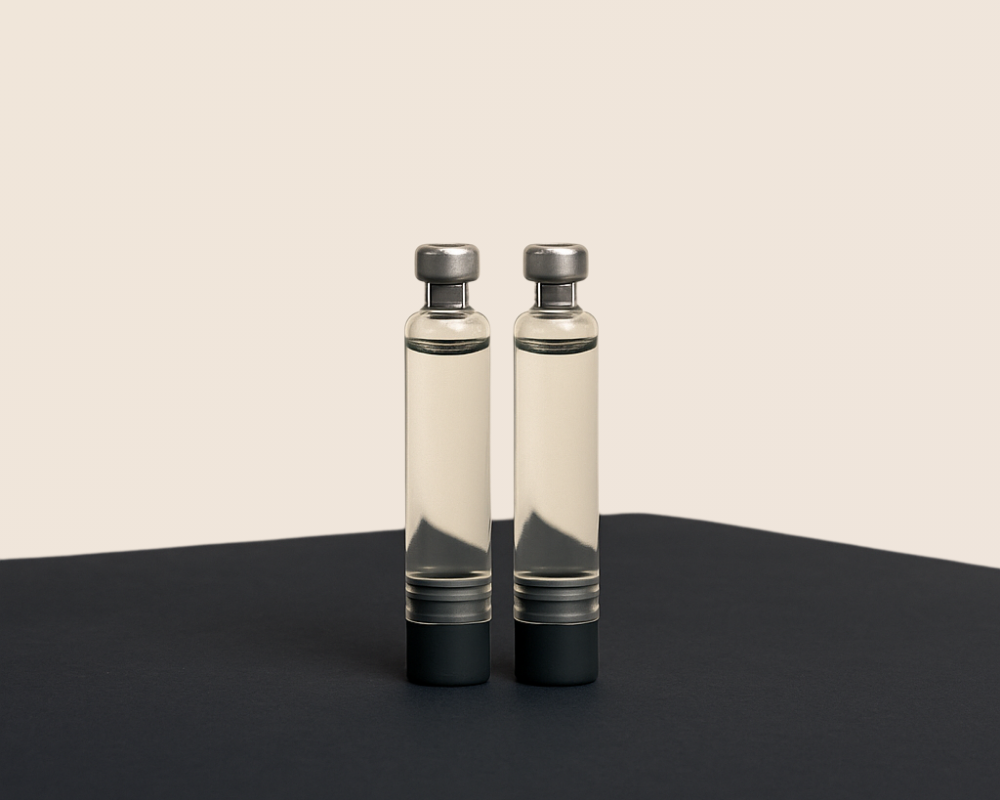
Nicotinamide riboside (NR) is authorised at up to 300mg per day for adults only and is not authorised for under-18s. NAD+ injections, provided in self-injection pen cartridges, are also legal to use in the UK.
Do NAD+ supplements actually work?
Preliminary evidence suggests they can increase blood NAD+ levels and are generally well tolerated, but meaningful clinical benefits remain under investigation.
Can I get NAD+ from food?
The body can produce NAD+ from vitamin B3(niacin), tryptophan and protein-rich foods.
Is NAD+ supplementation enough for overall health?
NAD+ support should be viewed as part of a wider healthy lifestyle that includes good nutrition, exercise and sleep habits.
Q1: What exactly is NAD+, and why are my levels dropping?
NAD+ is a coenzyme that helps cells generate energy and maintain normal repair processes.
“NAD+ acts as an electron carrier during cellular energy production and plays a central role in metabolism. It is required for the production of ATP, the body's primary energy currency, and functions as a cofactor for enzymes involved in DNA repair and cellular maintenance. Research shows that NAD+ is also essential for sirtuins, PARPs and other biological systems linked to healthy ageing. Evidence suggests that NAD+ levels undergo an age-related decline across multiple tissues in both animals and humans, which may contribute to changes in mitochondrial function and overall health as we age [1] [2]. This area remains a major focus of longevity science.”
Q2: Why can't I just take a pure NAD+ pill?
Pure NAD+ in pill form is not considered the most practical way to increase NAD+ levels in the body.
“The NAD+ molecule faces challenges relating to absorption and stability. Instead, the body naturally uses precursors through the different pathways to create NAD+. For this reason, research has focused on NAD+ precursors such as nicotinamide riboside (NR), nicotinamide mononucleotide (NMN) and certain forms of vitamin B3. A 2025 review in Nature Metabolism suggests that precursor supplementation may be a practical route for increasing NAD+ levels in humans, although important questions remain about long-term outcomes and health effects [3].
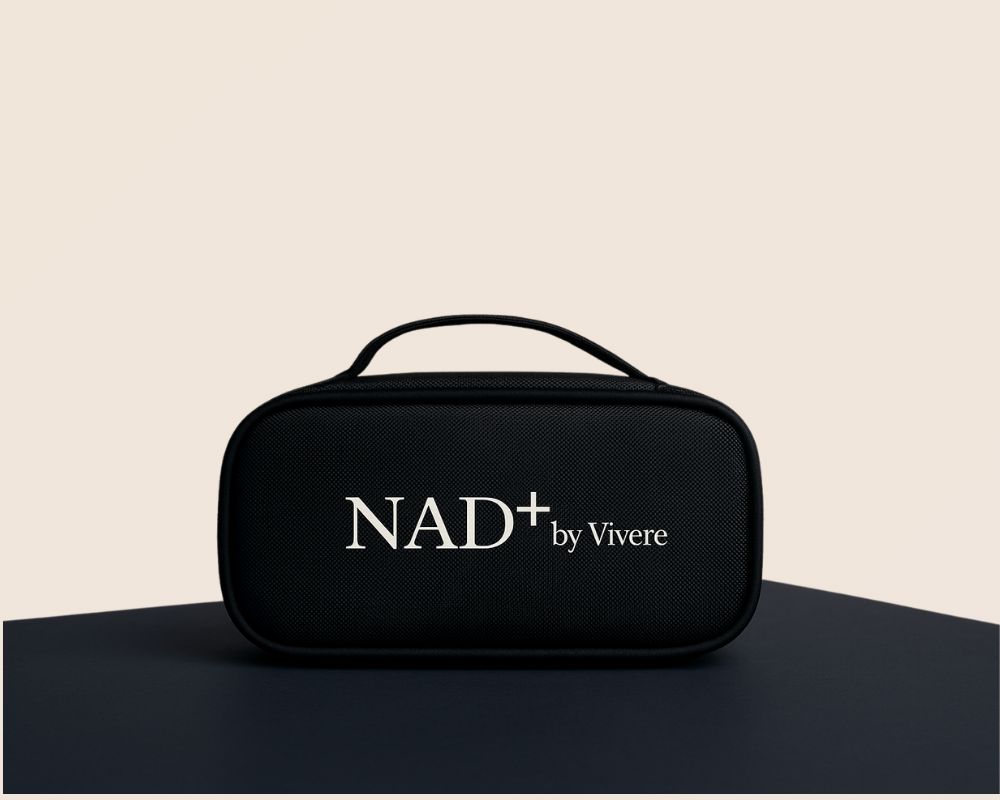
That being said, supplements may have low bioavailability as they pass through the digestive system. Liposomal formulations might improve delivery. For a more direct route and potentially higher bioavailability, IV therapies or injections, such as subcutaneous injections via the Vivere NAD+ injection pen, may offer a more direct solution.”
Q3: NR vs NMN, which precursor is best for a UK consumer?
For most UK consumers, nicotinamide riboside (NR) currently has the clearest regulatory position.
“Nicotinamide riboside (NR) is authorised by the Food Standards Agency as a novel food with a maximum intake of 300 mg per day for adults, while NMN does not currently have authorised novel food status in Great Britain [4]. NR is a form of vitamin B3 that can be converted into NAD+ through enzymes known as NRK1 and NRK2.
NMN has attracted considerable scientific interest. Some researchers have proposed transport mechanisms such as the Slc12a8 transporter, although much of the supporting evidence originates from mouse data. Human trials show that NMN can increase blood NAD+ levels, but a 2024 meta-analysis found that many clinically important outcomes did not significantly differ from controls [5]. The first human trial of NMN reported improvements in muscle insulin sensitivity among prediabetic women without a change in NAD+ content, so further research is needed to confirm broader benefits [6].
It is worth noting again that precursor supplementation may take longer to deliver results than self-injection pens or IV administration because of differences in bioavailability.”
Q4: What are the main health benefits of taking NAD+ supplements?
NAD+ supplements may support biological pathways linked to healthy ageing, but proven clinical benefits remain limited.
“NAD+ is involved in processes regulated by sirtuins such as SIRT1 and SIRT3, as well as PARPs and CD38. These systems contribute to energy metabolism, DNA repair, cellular stress responses and mitochondrial function [1]. Researchers are particularly interested in NAD+'s role in mitochondrial biogenesis and cellular resilience.
Human trials have demonstrated that NR supplementation can increase NAD+ levels. A randomised controlled trial in healthy older adults also identified preliminary signals relating to blood pressure and arterial stiffness, although these findings require confirmation in larger studies [7].
A meta-analysis of NMN randomised trials found no significant short term improvements in fasting glucose, insulin resistance, HbA1c or lipid profiles in healthy adults across the available evidence base [8]. As a result, consumers should approach health claims with caution. There are currently no authorised health claims stating that NAD+ supplements prevent disease or ageing.”
Q5: Is NMN legal to buy and sell as a supplement in the UK?
NMN is currently considered an unauthorised novel food in Great Britain.
“The Food Standards Agency currently classifies NMN as an unauthorised novel food, meaning it cannot legally be sold as a food supplement in Great Britain [4]. In contrast, nicotinamide riboside (NR) has authorisation for use up to 300mg per day in adults.
The regulatory landscape continues to evolve. Although EFSA has issued positive safety assessments in Europe, UK regulations remain separate. Industry reporting suggests that NMN products continue to appear on the UK market despite their current status, often accompanied by anti-ageing or cellular repair claims that warrant careful scrutiny [9].
Consumers should view the sale of NMN products in the UK as a potential red flag and verify product compliance before purchasing.”
Q6: Are there side effects or medication interactions to watch for with NR?
NAD+ precursors generally appear well tolerated, but some people should exercise caution.
“Clinical trial safety data for NR show a favourable tolerability profile [7].”
Possible Mild Effects
Most reported side effects are mild and may include gastrointestinal symptoms such as nausea, bloating or headache. Unlike nicotinic acid, NR does not typically cause the niacin flush associated with some vitamin B3 products [7].
High Doses of B3 Forms
High intakes of certain vitamin B3 forms may affect liver markers, blood glucose control or uric acid levels. Consumers should always follow label instructions and avoid unnecessary high-dose supplementation.
Who Should Take Extra Care
Nicotinamide riboside (NR) is not authorised for under-18s [4]. During pregnancy and breastfeeding, the recommended intake is 230 mg/day. Individuals with diabetes, liver disease, gout or those taking prescription medication should consult a GP or pharmacist before use. This information is intended as general information and not medical advice.
Injectable NAD+
Injectable NAD+ may also cause some side effects, although they are rare. Side effects associated with injectable NAD+ supplementation include:
Nausea
Headaches
Light-headedness
Tiredness
Skin flushing
Discomfort at the injection site
Q7: How should I take an NAD+ supplement for best results?
Follow the product label and stay within the authorised UK daily limit.
“Adults using nicotinamide riboside (NR) should follow the authorised maximum of 300mg per day established by the Food Standards Agency [4]. Even though some studies have used higher doses, UK consumers should not exceed the authorised limit. Many people choose morning dosing, often alongside a light breakfast. Taking supplements with food may help reduce nausea in sensitive individuals.
People using Vivere NAD+ injections should follow the usage instructions provided with their pen. The recommended dose of Vivere NAD+ is up to 50mg per injection, which is 15 units on the Vivere pen. The suggested schedule is once daily for the first three days, followed by administration every other day.”
Q8: Can I boost my NAD+ through diet and lifestyle instead?
Yes, diet and lifestyle can support the body's natural NAD+ production pathways.
“NAD+ can be produced from dietary precursors including vitamin B3, niacin, nicotinamide and tryptophan. Foods such as meat, fish and wholegrains contribute to vitamin B3 intake and support normal energy-yielding metabolism.”
Actionable Lifestyle Tips to Support NAD+
Move Regularly
Exercise supports mitochondrial health and NAD+ metabolism. A study on exercise and NAD+ in human muscles shows that exercise training can increase NAMPT, a key enzyme involved in the NAD+ salvage pathway [10].
Eat Enough Protein and Wholegrains
Protein-rich foods provide tryptophan, while wholegrains contribute niacin and other nutrients that support healthy metabolism.
Protect Your Sleep and Routine
Good sleep habits and consistent circadian rhythm patterns may help support cellular health and recovery processes.
Be Sensible with Alcohol and Avoid Smoking
Excess alcohol and smoking can negatively affect overall health and may place additional stress on metabolic systems.
Frequently Asked Questions
Are NAD+ IV drips worth it?
Intravenous NAD+ drips currently have limited evidence supporting routine wellness use. While they are marketed for energy and recovery, long-term data remain limited. Any intravenous treatment should only be undertaken under qualified medical supervision.
How long do NAD+ NR supplements take to work?
Nicotinamide riboside (NR) can increase blood NAD+ levels within weeks, although individual response varies. A clinical trial of nicotinamide riboside has demonstrated rising NAD+ levels over a six-week supplementation period, with biochemical change often occurring before any noticeable effects [7].
Can vegetarians and vegans support their NAD+ levels?
Yes, NAD+ production can be supported through plant-based sources of niacin and tryptophan. Pulses, wholegrains, peanuts, soya, seeds and oats can all contribute to a well-planned plant-based diet.
Can I take Nicotinamide Riboside with my other vitamins?
Nicotinamide riboside (NR) is a form related to vitamin B3 and may often be used alongside a multivitamin. However, consumers should consider their total B3 intake and seek advice from a pharmacist if taking prescription medication or high-dose supplements.
Does NAD+ reverse ageing?
Current evidence does not show that NAD+ reverses ageing in humans. While NAD+ levels decline with age and play an important role in cellular health, human anti-ageing effects remain unconfirmed. NAD+ should be viewed as one component of a broader healthy-ageing strategy rather than a cure [3].
Expert's Corner: Final Thoughts
“NAD+ remains one of the most interesting areas of modern longevity research because of its role in cellular energy, DNA repair and age-related decline. An evidence-based perspective suggests that nicotinamide riboside (NR) can increase NAD+ levels within the authorised 300mg limit, but supplements should complement, not replace, the foundations of good health. NAD+ injections, like NAD+ injection pen by Vivere, can also increase NAD+ levels in the body. Prioritising niacin and tryptophan from real food, exercising regularly, sleeping well and limiting alcohol remain essential for better NAD+ levels.”
Vivere helps you take control of your health with personalised insights from state-of-the-art gut microbiome testing, nutritional guidance, science-backed supplements, NAD injections and expert support. Sign up today and start living better, for longer.
About the Expert: Yusra Serdaroglu Aydin, MSc RD
Yusra Serdaroglu Aydin MSc RD is Head of Nutrition and a Registered Dietitian at Vivere. Her work combines nutrition and lifestyle interventions with a strong understanding of cellular biology, microbiome science and personalised health. She regularly evaluates clinical trial findings, UK regulation, Food Standards Agency guidance and peer-reviewed sources to help ensure information remains evidence-based and trustworthy.
Sources
[2] Healthy aging and muscle function are positively associated with NAD + abundance in humans
[3] NAD+ precursor supplementation in human ageing: clinical evidence and challenges | Nature Metabolism
[4] Nicotinamide riboside chloride
[6] Nicotinamide mononucleotide increases muscle insulin sensitivity in prediabetic women | Science
Author

Yusra Serdaroglu Aydin, MSc RD
Head of Nutrition and Registered Dietitian
Yusra is a nutritionist with a multidisciplinary background in nutrition, food engineering, and culinary arts. During her education, her curiosity abo...