A Beginner's Guide to Cosmetic Ingredients: Retinol, Peptides, Caffeine and How to Read a Label
Last Updated: 23 July 2026

Understanding skincare labels can feel overwhelming when products are packed with active ingredients, percentages, INCI names and cosmetic label jargon. Many people now turn to tools such as the Yuka app and other barcode-scanning apps to help build a safe skincare routine and an effective skincare routine, but understanding what ingredients actually do remains essential.
This article explains some of the most common skincare ingredients, how to interpret cosmetic labels in a UK context and what current evidence says about their benefits and limitations. It also explores the growing interest in gut health, the gut-skin connection and the gut-skin axis as part of a broader approach to skin wellbeing.
The insights in this article are provided by Yusra Serdaroglu Aydin MSc RD, Registered Dietitian and Head of Nutrition at Vivere. With a background in nutrition, food engineering and culinary arts, her approach is grounded in science and shaped by a strong understanding of personalised nutrition, the human microbiome and evidence from organisations such as the British Association of Dermatologists and peer-reviewed journals.
In One Sentence:
Retinol, peptides, caffeine, niacinamide and hyaluronic acid can all support healthier-looking skin when used appropriately, but the best results come from understanding cosmetic labels, supporting skin cell turnover, collagen, elastin, de-puffing, the skin barrier and hydration while prioritising SPF, sun protection, introducing one active at a time and an inside-out approach built from within.
Key Takeaways
What is the single most important skincare step for a beginner?
Daily broad-spectrum sunscreen with an appropriate SPF is the most important step because it helps protect against UV damage and supports the benefits of other skincare ingredients.
Can I trust the Yuka app to tell me if a product is safe?
The Yuka app can be useful for comparing products, but understanding hazard versus risk and real-world exposure is essential.
Does what I eat actually affect my skin?
Research into the gut-skin axis suggests that intestinal dysbiosis may influence conditions such as acne, rosacea and eczema.
Which ingredient should I avoid if I am pregnant?
Retinol and other retinoids should be avoided during pregnancy and breastfeeding according to dermatology guidance.
Should you use multiple products at once?
A simple routine built around SPF, gradual ingredient introduction and skin barrier support is often more effective than using multiple products at once.

What are the key active ingredients every skincare beginner should know?
Active ingredients such as retinol, peptides, caffeine, hyaluronic acid and niacinamide each support different aspects of skin health and are central to decoding cosmetic labels.
These ingredients are among the most widely used in modern skincare because they target concerns including hydration, skin texture, visible ageing, puffiness and barrier support. Understanding what each active ingredient does can help beginners make informed choices rather than relying solely on marketing claims.
What does retinol do for your skin?
Retinol is a vitamin A derivative that helps improve skin cell turnover and supports smoother, more even-looking skin.
Retinol belongs to the wider retinoid family and works through conversion processes that ultimately lead to retinoic acid interacting with skin receptors. This process supports skin cell turnover, which can help reduce the appearance of fine lines, uneven tone and acne-prone skin concerns.
Research and guidance from the British Association of Dermatologists explain that retinoids increase skin turnover and can also increase UV sensitivity, making daily SPF use essential [1]. Retinol is often applied as a night-time product because of its photosensitivity effects. Some people experience dryness and irritation when first using a retinoid, which is why gradual introduction and moisturiser use are often recommended.
Research has also identified bakuchiol as a potential alternative for people seeking similar cosmetic benefits with lower rates of irritation. A randomised trial comparing bakuchiol and retinol found comparable improvements in photoageing measures, with less peeling and irritation reported with bakuchiol [2].
Important Safety Note
Retinoids should not be used during pregnancy, breastfeeding or when trying to conceive.
This recommendation is based on concerns about teratogenicity and potential risk to a developing baby. UK dermatology guidance on retinoids advises avoiding retinoids during pregnancy and breastfeeding. People looking for alternatives may wish to consider ingredients such as peptides while discussing options with their healthcare professional.
What are cosmetic peptides and do they work?
Cosmetic peptides are short chains of amino acids that act as signalling molecules involved in skin repair and support.
Peptides are often described as building blocks because amino acids are used to create important skin proteins, including collagen and elastin. Research published in a double-blind clinical trial of palmitoyl pentapeptide found significant improvements in wrinkles and skin roughness after 12 weeks of use [3].
Cosmetic peptides are especially popular for supporting firmness and signs of skin ageing. Evidence discussed in the International Journal of Women's Dermatology also suggests that peptides may support collagen production and hydration in the delicate periorbital skin around the eyes, while generally being well tolerated in sensitive skin [4].
How does caffeine help the skin?
Caffeine can temporarily improve the appearance of puffiness while also supporting skin barrier function.
Caffeine acts as a vasoconstrictor and antioxidant. Research on caffeine in eye-area skincare suggests it can stimulate lipolysis and may temporarily improve lower-eyelid puffiness. This makes it particularly popular in products targeting under-eye puffiness and periorbital concerns.
A dermatology review of caffeine also found evidence that caffeine may improve skin elasticity and skin barrier function by reducing transepidermal water loss (TEWL). Topical caffeine at a concentration up to 3% appears safe and readily absorbed into the skin.
While caffeine may help with shadowing related to puffiness, it is less likely to address dark circles caused by pigment changes.
What does hyaluronic acid actually do?
Hyaluronic acid is a powerful humectant that attracts and holds water within the skin.
Its water-binding properties help support hydration and create a temporary plumping effect within the epidermis. Clinical evidence on topical hyaluronic acid demonstrates improvements in skin hydration and appearance [5].
A topical hyaluronic acid serum study also found improvements in plumpness and reductions in the appearance of fine lines [6]. Hyaluronic acid works best when applied to damp skin using the sandwich method: mist or dampen the skin, apply hyaluronic acid, then seal it in with a moisturiser or occlusive product to help reduce water loss, especially in a dry environment.
Why is niacinamide so popular?
Niacinamide is a versatile form of vitamin B3 that supports skin barrier repair and helps regulate oil production.
Research from a clinical study on niacinamide and sebum found that topical 2% niacinamide reduced the sebum excretion rate, supporting its use for oily skin and combination skin [7].
A Dermatologic Surgery trial on niacinamide also reported improvements in skin barrier function and several visible signs of ageing [8]. Niacinamide is valued for its calming, antioxidant and redness-reducing properties, and is generally compatible with other actives.
Actionable Tip: Feed The Building Blocks
Healthy skin depends on more than topical products alone.
While topical peptides and collagen creams are popular, collagen synthesis from within also requires adequate nutrition. The NHS notes that vitamin C is required for normal collagen formation and healthy skin [9]. A plant-rich diet containing adequate protein and amino acids can help provide the nutritional building blocks needed for collagen formation.
How do popular actives stack up against each other?
Different skincare actives support different skin goals and should be chosen based on individual needs.
Retinol and other forms of vitamin A are best known for cellular turnover and collagen synthesis, making them useful for mature skin and acne-prone skin, typically during evening-only routines.
Peptides support firmness and collagen-related processes and are often suitable for sensitive skin.
Caffeine is most often used in the morning for de-puffing and supporting microcirculation.
Hyaluronic acid focuses on surface hydration and plumping, while niacinamide, a form of vitamin B3, supports the skin barrier and oil control in oily and combination skin. Regardless of skin type, a patch test is recommended before introducing a new product.
“The most effective routines are usually the simplest. Focus on consistency, support your skin barrier and look at the whole picture, including diet and gut function, rather than chasing every new ingredient trend.”
Are cosmetic scanning apps like Yuka accurate for skincare safety?
Cosmetic scanning apps can provide useful information, but they do not replace professional interpretation of ingredient safety.
How does the Yuka app actually score a product?
The Yuka app scores products using a system based heavily on the highest-rated risk ingredient present.
According to Yuka's published scoring method, one high-risk ingredient can cap a product score below 25/100, and one moderate-risk ingredient can cap it below 50/100 [10].
The Yuka scoring tiers classify ingredients into categories including risk-free, low risk, moderate risk and high risk. The system draws on an ingredient database containing approximately 12,500 cosmetic ingredients. While useful for product comparison, the single worst ingredient rule may not always reflect the complete formulation.
What is the difference between hazard and risk in skincare?
Hazard and risk are related but different concepts.
Hazard refers to the potential for harm, while risk considers the likelihood of harm occurring under real-world conditions. An analysis of ingredient-scanning apps notes that concentration, dose and exposure are important factors when assessing risk [11].
This reflects the toxicology principle often associated with Paracelsus: the dose makes the poison. Cosmetic chemists and organisations such as Cosmetics Consultants Europe have highlighted that formulation context matters when evaluating ingredient safety.
Why do preservatives like phenoxyethanol get flagged?
Preservatives are often misunderstood despite playing an important safety role in skincare products.
The preservative paradox is that ingredients designed to protect consumers can sometimes attract concern. Preservatives help prevent microbial growth from bacteria, mould and yeast in water-based products and other aqueous products. The SCCS safety assessment of phenoxyethanol concluded that phenoxyethanol is safe as a preservative at concentrations up to 1% [12].
In the UK, the UK Cosmetics Regulation, overseen by the Office for Product Safety and Standards (OPSS), regulates preservatives and maximum permitted concentrations [13]. Although phenoxyethanol is sometimes discussed as a potential endocrine disruptor or irritant, safety assessments support its regulated use within approved limits.
Actionable Tip: Scan Smart
Use Yuka and similar tools as starting points rather than final verdicts.
These apps may help identify personal allergens or poorly formulated products, but a regulated preservative or sunscreen filter is not automatically unsafe. If you have concerns, seek advice from a pharmacist or dermatologist.
Which commonly flagged ingredients are usually safe to keep?
Many ingredients that attract online concern remain safe when used within regulatory limits.
Examples include approved preservatives, fragrance allergens disclosed according to regulations and certain sunscreen filters. Safety assessments depend on concentration, formulation and exposure rather than ingredient names alone.
The Vivere Philosophy: How does the gut-skin axis impact topical skincare results?
The gut-skin axis highlights how internal gut health may influence skin health and skincare outcomes.
A review of the gut-skin axis describes bidirectional communication between the gut microbiome, immune system and skin. Dysbiosis, gut permeability and intestinal permeability have been linked with conditions including acne, psoriasis, rosacea, atopic dermatitis and eczema [14].
Research exploring how gut bacteria influence skin also highlights the role of microbial metabolites such as short-chain fatty acids (SCFAs), which are produced through fibre fermentation and support the gut barrier while exerting anti-inflammatory effects [15].
Topical products remain valuable, but systemic foundations matter too. The Vivere Gut Microbiome Test aims to help individuals establish a baseline understanding of their microbiome as part of an inside-out wellness approach. However, microbiome testing should not be used to diagnose or treat skin conditions, and results should be interpreted alongside symptoms, diet, lifestyle and professional healthcare advice. Evidence also suggests that oral hyaluronic acid may support skin hydration, demonstrating how nutritional and topical strategies can work together [16].
“Inside-out wellness recognises that your skin is often one of the first places where internal imbalance appears. A serum can support the surface, but gut inflammation, a diet low in fibre, inadequate polyphenols or insufficient protein may also influence skin health. It is important to consider the plate alongside the skincare shelf.”
Actionable Tip: Eat For Your Skin
Supporting the gut-skin axis starts with everyday dietary habits.
Aim for greater plant variety, increased dietary fibre and fermented foods such as live yoghurt and kefir. Oily fish provides omega-3 fats, while vitamin C supports collagen production and zinc-rich foods contribute to normal skin function. Limiting ultra-processed foods and high-sugar foods may also help reduce inflammation that can contribute to acne in some individuals.
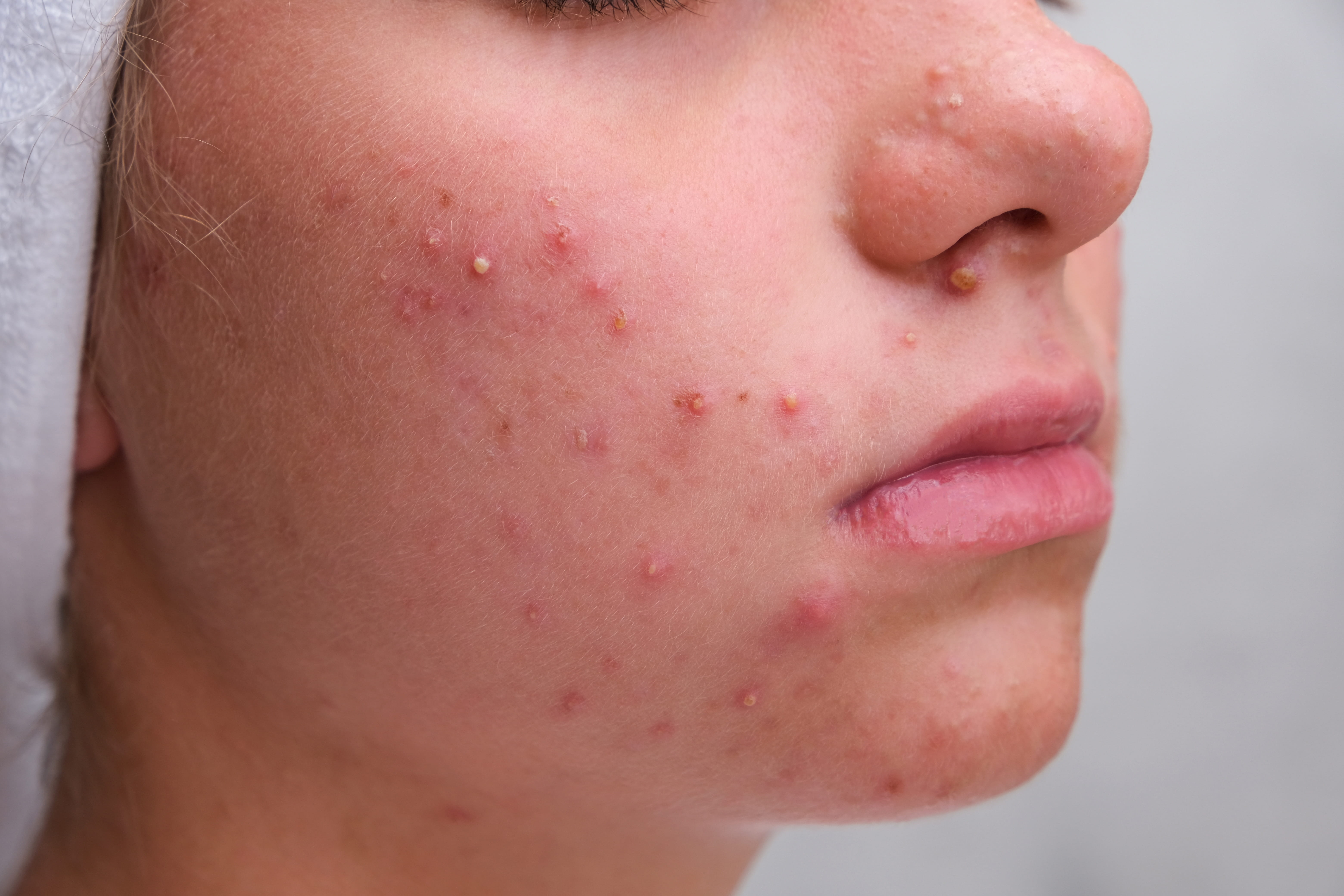
How do you safely build a beginner cosmetic routine?
A simple four-step routine helps beginners support their skin without overwhelming it.
Cleanse
Use a gentle pH-balanced wash to remove dirt, sunscreen and excess oil while protecting the skin barrier.
Target
Choose water-based actives that match your goals and introduce one active at a time to assess tolerance.
For example, caffeine AM products may be used in the morning, while retinol PM products are generally reserved for evenings. Niacinamide and peptides can often fit into either routine depending on product formulation.
Seal
Apply a moisturiser to support the skin barrier and help reduce water loss.
This step helps maintain skin barrier integrity and may improve comfort when using stronger active ingredients.
Protect
Apply broad-spectrum SPF every morning.
The NHS recommends broad-spectrum sunscreen of at least SPF 30 for protection against UV damage [17]. Daily high-factor SPF use is also supported by the British Association of Dermatologists, particularly when using retinol or other retinoids.
Which skincare ingredients should beginners not combine at once?
Beginners should avoid layering multiple strong actives immediately.
Combining retinol with exfoliating acids from the start can increase the risk of a damaged skin barrier and irritation. Gentler pairings such as hyaluronic acid and niacinamide are often better tolerated while skin adapts.
Frequently Asked Questions
Can you use retinol when pregnant?
No, retinol and other retinoids should be avoided during pregnancy, breastfeeding and when trying to conceive.
UK dermatology guidance advises against retinoid use because of the potential risk to a developing baby. Peptides, hyaluronic acid and vitamin C may be considered gentler alternatives, but it is advisable to consult a GP or midwife.
Should I throw away a product with a poor Yuka score?
Not necessarily.
A Yuka score may reflect a single worst-rated ingredient rather than the concentration, exposure or overall formulation. Consider your own skin tolerance, personal allergens and whether the ingredient is a regulated preservative or sunscreen filter.
Is phenoxyethanol safe in skincare?
Current evidence supports the safety of phenoxyethanol when used appropriately.
The Scientific Committee on Consumer Safety (SCCS) considers phenoxyethanol safe up to 1% for all consumers, including children [12]. It remains an important preservative for preventing microbial growth in water-based products.
Do peptides really work in skincare?
Research suggests peptides can support visible improvements in skin appearance.
Peptides work through signalling processes linked to collagen production and firmness. Evidence indicates benefits for the eye area and suggests they are generally well tolerated, providing gradual and gentle benefits compared with stronger ingredients such as retinol [3] [4].
Can changing my diet improve my skin?
Diet can play a role in supporting skin health.
Research links gut dysbiosis with several inflammatory skin conditions through the gut-skin axis [14] [15]. A fibre-rich diet and a plant-diverse diet may support the production of anti-inflammatory SCFAs. Persistent concerns should be discussed with a GP or dermatologist.
What order should I apply skincare actives?
Apply products from thinnest to thickest texture.
Start with cleanse, then water-based products and active ingredients, followed by moisturiser to seal hydration. SPF should be applied last in the morning, while retinol is generally used at night. Introduce one active at a time.
Nutritionist's Corner: Final Thoughts
“There is no single miracle ingredient for healthy skin. Ingredients such as retinol, peptides and niacinamide each have their place within evidence-based dermatology, but a simple routine, daily sun protection with SPF and realistic expectations are often the most effective approach. Scanning apps can provide useful information, yet interpreting ingredient safety in context is equally important. The gut-skin axis also reminds us that dietary patterns, including fibre intake, plant variety, adequate protein and blood sugar balance, may play a role in skin health alongside topical care. Lasting results usually come from combining inside-out wellness with consistency and patience.”
Vivere helps you take control of your health with personalised insights from state-of-the-art gut microbiome testing, nutritional guidance, science-backed supplements, NAD injections and expert support. Sign up today and start living better, for longer.
Sources
[1] Topical Retinoids - British Cosmetic Dermatology Group
[4] A review of the efficacy of popular eye cream ingredients - PMC
[7] The effect of 2% niacinamide on facial sebum production - PubMed
[8] Niacinamide: A B vitamin that improves aging facial skin appearance - PubMed
[9] Vitamins and minerals - Vitamin C - NHS
[10] How are cosmetic products evaluated? - Yuka - Help
[11] How Apps like YUKA can impact one’s Regulatory Strategies | Cosmetics Consultants Europe
[13] Cosmetic Products Enforcement Regulations 2013 - Gov
[14] Gut-skin axis: Emerging insights for gastroenterologists-a narrative review - PMC
[15] Unraveling the Gut–Skin Axis: The Role of Microbiota in Skin Health and Disease
Author

Yusra Serdaroglu Aydin, MSc RD
Head of Nutrition and Registered Dietitian
Yusra is a nutritionist with a multidisciplinary background in nutrition, food engineering, and culinary arts. During her education, her curiosity abo...