A Buyer's Guide To The Best Tongue Scraper in the UK: Top Picks for Fresh Breath and a Cleaner Mouth
Last Updated: 19 June 2026

Finding the best tongue scraper can make a meaningful difference to your oral hygiene routine, fresh breath and wider preventive health efforts. Many UK consumers are now paying closer attention to how oral health connects with the digestive system, gut health and wider wellbeing, making tongue scraping an increasingly popular part of holistic wellness.
This tongue scraper buyer's guide explores the benefits of tongue cleaning, compares common product materials and highlights the best options available in 2026 for cleaner mouths and healthier routines.
The insights provided in this article are informed by Vivere’s Head of Nutrition, Yusra Serdaroglu Aydin, a registered dietitian with a background in nutrition, food engineering and culinary arts. Her approach is grounded in science and shaped by a strong understanding of personalised nutrition and the human microbiome.
In One Sentence:
For UK buyers in 2026, the Vivere Copper Tongue Scraper with a 100% copper head stands out as the best option for helping to remove tongue coating and support fresher breath as part of an oral hygiene routine, and comes with a travel case .
Key Takeaways
Why do people choose the Vivere tongue scraper?
The Vivere Copper Tongue Scraper is one of the best tongue scraper options UK residents can buy because it combines antibacterial copper, durability and effective cleaning performance.
Why are metal tongue scrapers considered higher quality?
A metal tongue cleaner is generally more hygienic and sustainable than plastic tongue scrapers because non-porous materials are less likely to trap bacteria and contribute to landfill waste.
Can tongue scraping help with bad breath?
Tongue scraping can help reduce bad breath by removing bacteria, food particles and biofilm linked to volatile sulfur compounds.
How can tongue scraping help overall health?
Sustainable oral care products such as reusable copper scrapers can support a broader wellness routine focused on holistic health.
What are the benefits of tongue scraping?
Regular tongue cleaning may support wider wellbeing by improving oral hygiene and contributing to healthier microbial balance within the mouth.
Why use a tongue scraper? The Secret to Fresh Breath
Tongue scraping helps remove the white tongue coating, bacteria and cellular debris that contribute to bad breath and poor oral hygiene.
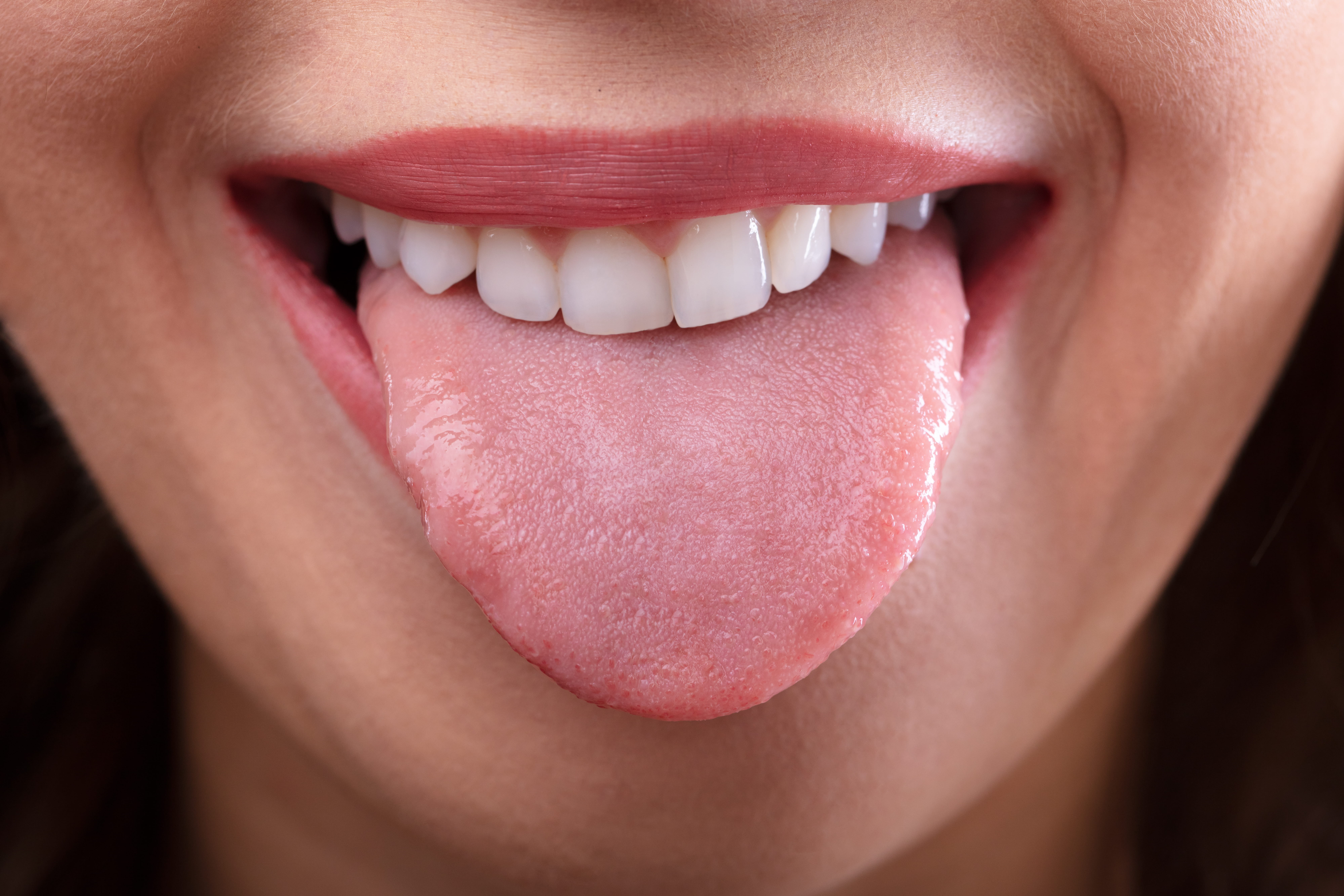
The surface of the tongue contains small structures called tongue papillae, which can trap food particles, dead cells, and bacteria, contributing to biofilm formation. Over time, this build-up may lead to halitosis (bad breath), unpleasant tastes and a coated tongue appearance. Research suggests that volatile sulfur compounds (VSCs), which are produced by bacteria in the mouth, are among the primary causes of bad breath [1].
While toothbrushes and toothpaste are important for cleaning teeth and gums, they often fail to effectively clean the tongue surface. Mechanical scraping offers a more direct way to remove biofilm and debris from the tongue without simply spreading bacteria around the mouth. Studies on tongue scraping benefits have shown reductions in VSC levels and improvements in oral freshness when tongue cleaning is performed regularly.
For many people, adding a tongue scraper to their morning routine is a simple but effective upgrade to their daily oral hygiene habits.
How to Choose the Best Tongue Scraper: What to Look For
The best tongue scraper should combine hygiene, durability, comfort and long-term value.
Material Hygiene
Material hygiene matters because some materials are naturally more resistant to bacteria than others.
Premium copper and medical-grade stainless steel are both popular choices because they are non-porous and easier to keep clean. Copper is especially valued for its antibacterial properties, while medical-grade stainless steel offers durability and a neutral appearance.
Porous plastic scrapers are often less hygienic because they can develop microcracks and seams over time, where bacteria may collect.
Durability
A durable tongue scraper can last for years with proper care.
Metal scrapers usually outperform plastic alternatives in terms of product lifespan and overall value. Copper and stainless steel options resist wear more effectively and are less likely to bend, crack or become damaged after repeated use.
Choosing a durable scraper can also reduce unnecessary waste and support more sustainable purchasing habits.
Design and Ergonomics
An ergonomic design makes tongue scraping easier and more comfortable.
Many users prefer a classic U-shape design because it provides even pressure across the tongue surface. Others may prefer a T-shape tool for more controlled handling. A smooth scraping edge is important because it helps clean the tongue effectively without causing irritation.
Some premium products also include a travel case for better hygiene during travel.
Value and Extras
The best value comes from combining performance, hygiene and practical extras.
Products that include reusable storage solutions, high-quality materials and longer lifespans often provide better long-term value than cheaper disposable options. A tongue scraper that supports sustainability and daily usability can become a worthwhile addition to a broader wellness routine.
The Best Tongue Scrapers in the UK: Product Comparison
Different tongue scraper materials offer different benefits in hygiene, sustainability and durability.
100% copper scrapers and medical-grade stainless steel scrapers are both strong options for users seeking long-lasting oral care tools with better hygiene standards. Plastic scrapers may initially appear affordable, but shorter lifespans and reduced recyclability can make them less sustainable over time. As more consumers prioritise eco-friendliness and reducing waste sent to UK landfills, reusable metal scrapers are becoming the preferred option.
Deep Dive: The Top Picks for Fresh Breath and a Cleaner Mouth
Choosing the right tongue scraper depends on your priorities, budget and oral care preferences.
Best Overall & Best Premium Choice: The Vivere Copper Tongue Scraper
The Vivere Tongue Scraper offers premium hygiene, durability and thoughtful design in one product.
The standout feature is its antimicrobial 100% copper head, which benefits from copper’s natural toxicity to bacteria and other microbes [2]. This makes it especially appealing for users focused on oral health, longevity and reducing harmful bacterial build-up on the tongue surface. Unlike porous materials, copper offers a cleaner and more hygienic experience with proper maintenance.
The scraper also comes with a durable metal storage box, which works as a travel case, making it easier to maintain hygiene while travelling or going to work or the gym. For users interested in biohacking and improving daily wellness habits, this type of high-quality oral care tool can fit naturally into a broader preventive health routine.
Vivere’s wider focus on gut health and Vivere gut testing services also strengthens the product’s position as a wellness-focused option rather than simply a cosmetic oral care tool.
Considering the product quality, durability and discounted pricing often available through bundled offers, it provides strong value for money despite its premium positioning.
Alternative: Generic Stainless Steel U-Shaped Cleaners
Stainless steel scrapers are a durable and practical alternative.
Many stainless steel scrapers use food-grade stainless steel, which is suitable for everyday use. For a more premium option, medical-grade stainless steel offers a more durable, non-porous surface that is easy to clean and well suited to regular oral hygiene routines. These products are often dishwasher safe and work well for removing food debris and tongue coating during daily use.
They may also suit users who prefer a more neutral appearance alongside silver bathroom accessories. While stainless steel lacks the specific antimicrobial reputation associated with copper, it still offers strong hygiene and long-term durability compared with plastic options.
Budget/Entry Level: Plastic Multi-Edge Scrapers
Plastic scrapers may appeal to first-time users because they are cheap and widely available.
However, the porous nature of plastic can create hygiene concerns over time. Micro-seams and surface wear may become breeding grounds for bacteria, mould growth and trapped debris if products are not replaced regularly. Plastic scrapers also contribute to unsustainability because they often have shorter lifespans and may eventually end up in UK landfills.
For users serious about long-term oral care and sustainable wellness habits, investing in a reusable metal scraper is often the better option.
How to Use Your Scraper for Maximum Results
Proper tongue scraping technique can improve oral hygiene maintenance and help prevent halitosis.
Start your morning routine by rinsing your tongue scraper under warm running tap water. Stand in front of a mirror and extend your tongue comfortably. Position the scraper toward the back of the tongue without causing discomfort, then use a gentle back-to-front sweeping motion to remove the white tongue coating and debris [3].
Rinse the scraper after each pass and repeat several times until the tongue feels clean. Once finished, wash the scraper thoroughly and dry it with a clean towel before placing it back into its protective metal case or travel case.
Regular daily use is generally enough to support fresher breath and cleaner oral surfaces.
Frequently Asked Questions
Should I scrape my tongue before or after I brush my teeth?
Most people benefit from scraping their tongue before brushing their teeth because it removes debris before toothpaste is used on the teeth and gums.
Tongue scraping first can help loosen bacteria, saliva residue and food particles from the tongue surface before brushing and rinsing the mouth. Following up with brushing and toothpaste effectiveness can then help clean the rest of the mouth more thoroughly.
Does tongue scraping really help with gut health?
Tongue scraping may support wider digestive and microbial health by reducing harmful oral bacteria that could otherwise enter the digestive tract.
The mouth acts as the beginning of the digestive tract and plays a role in shaping gut flora balance. Some research suggests that oral pathogens may influence gut dysbiosis, colonic functions and inflammatory processes when microbial balance becomes disrupted [4].
By reducing tongue coating and oral bacterial build-up, tongue scraping may indirectly support healthier digestive and metabolic health patterns.
How do I clean my copper tongue scraper?
Copper tongue scrapers should be cleaned regularly to maintain hygiene and appearance.
After each use, rinse the scraper thoroughly and dry it completely. Over time, copper oxidation and metal tarnishing can naturally occur. To restore shine, gently clean the scraper using a lemon juice and salt cleaning mixture, then rinse and dry thoroughly before storage.
Nutritionist's Corner: Final Thoughts
“Small daily habits can support long-term health and wellbeing. Tongue scraping is a simple, low-cost habit that may help reduce tongue coating and volatile sulfur compounds linked to bad breath, supporting a cleaner oral environment. Because the digestive tract begins in the mouth, maintaining good oral hygiene may contribute to wider wellbeing and a healthier gut environment. Adding a high-quality tongue scraper to a consistent morning routine can be a practical step toward supporting oral hygiene and fresher breath.”
Vivere helps you take control of your health with personalised insights from state-of-the-art gut microbiome testing, nutritional guidance, science-backed biohacking supplements, NAD+ supplementation and expert support. Sign up today and start living better, for longer.
Sources
[1] Halitosis: From diagnosis to management - PMC
[2] Copper as an antimicrobial agent: recent advances - PMC
[3] How to Use a Tongue Scraper: 5-Step Guide to Fresh Breath
[4] Can oral bacteria affect the microbiome of the gut? - PubMed
Author

Yusra Serdaroglu Aydin, MSc RD
Head of Nutrition and Registered Dietitian
Yusra is a nutritionist with a multidisciplinary background in nutrition, food engineering, and culinary arts. During her education, her curiosity abo...