Does The Type of Bread You Eat Matter?
Last Updated: 25 June 2026
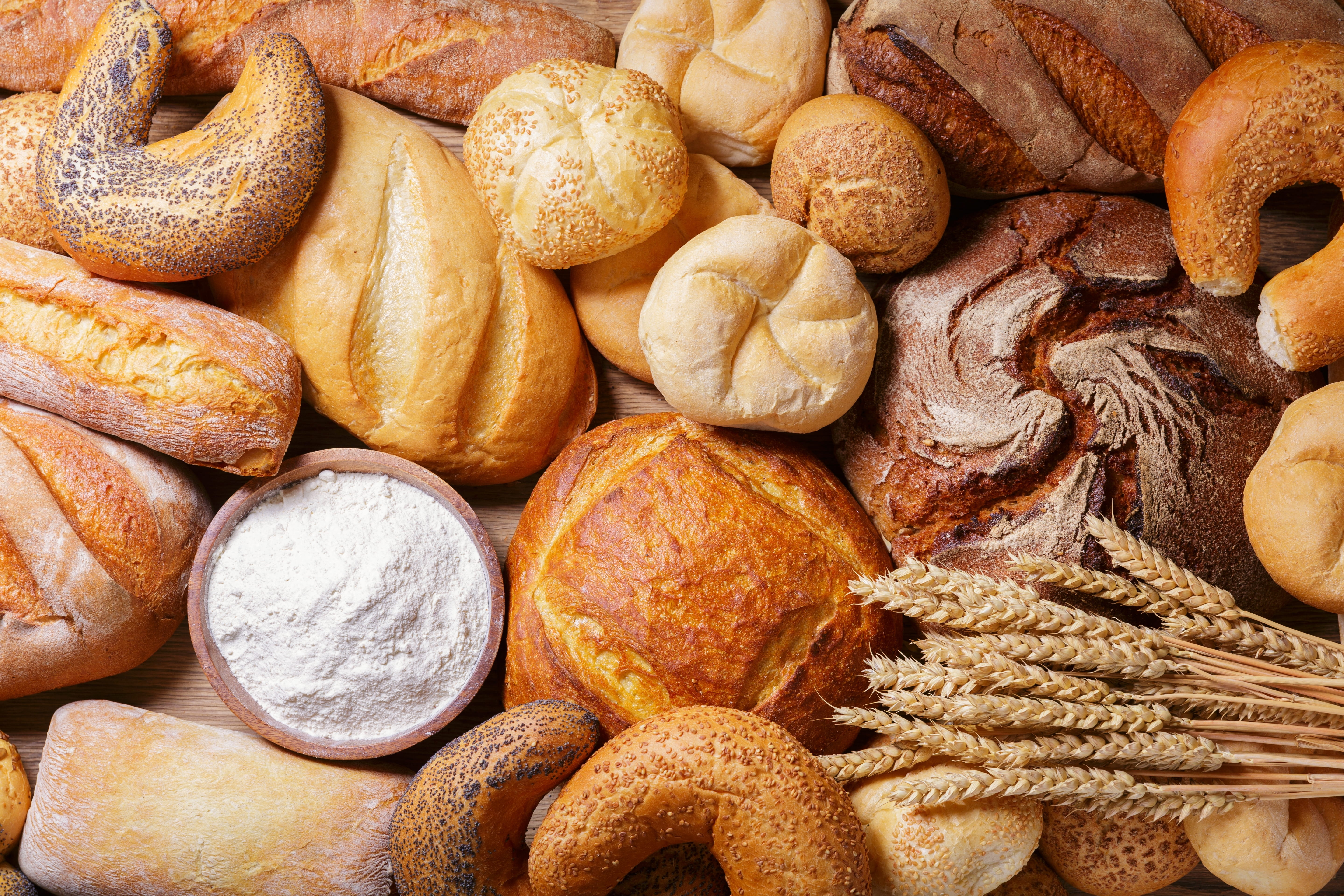
Bread is a staple food in many UK households, yet not all bread affects the body in the same way, particularly when it comes to blood sugar, digestion and overall health.
Insights in this article are provided by Vivere’s Head of Nutrition, Yusra Serdaroglu Aydin, a registered dietitian with a background in nutrition, food engineering and culinary arts, whose approach is grounded in science and shaped by personalised nutrition and the gut microbiome.
Research highlights that dietary patterns, including staple foods like bread, play a central role in long-term health outcomes and metabolic function [1]. From supermarket white bread to wholemeal loaves and sourdough, the type of bread you choose can influence daily energy levels, gut microbiome balance and how efficiently your body digests nutrients.
In One Sentence:
Yes, the type of bread you eat matters because it affects blood sugar control, digestion, gut health and overall nutritional intake.
Key Takeaways
What is the healthiest type of bread to eat? Bread made from 100% wholemeal flour or traditional sourdough is generally the best option for many due to higher dietary fibre and lower impact on blood sugar.
Why is white bread considered bad for you? White bread is made from refined flour, which removes fibre and nutrients, leading to rapid blood sugar spikes and energy crashes compared to wholemeal options. For special diets, white bread might still be recommended, though.
Is supermarket bread highly processed? Many packaged supermarket loaves may be classified as ultra-processed food (UPF) due to added emulsifiers, artificial preservatives and extended shelf life.
Is sourdough bread better for you? Sourdough may support better gut health because its fermentation process can improve digestion and reduce certain compounds that block nutrient absorption.
How do you choose the bread you eat? Choosing less processed bread with simple ingredients can help stabilise energy levels and support long-term health.
White Bread vs Wholemeal: The Wheat Grain Explained
Wholemeal bread retains all parts of the wheat grain, making it more nutritious than white bread made from refined flour.
The wheat grain anatomy consists of three key parts: bran, germ and endosperm. The bran is rich in dietary fibre, the germ contains essential vitamins and healthy fats, and the endosperm is mostly pure starch in the form of complex carbohydrates. When producing factory white bread, manufacturers remove the bran and germ, leaving only the endosperm. This refining process strips away natural nutrients, including fibre and key vitamins, resulting in a product that is less filling and less beneficial for overall health. However, in the UK, white bread is fortified with nutrients mandatorily.
Wholemeal bread, by contrast, uses the entire grain. This means it delivers more dietary fibre, supports digestion and provides a steadier release of energy. Research shows that whole grain consumption is linked with improved metabolic health and reduced risk of chronic disease [2]. Choosing a wholemeal loaf over refined white bread is therefore a simple but effective dietary swap that can support better nutrition.
Ultra-Processed Bread (UPF) vs Artisan Loaves
Ultra-processed bread often contains additives and preservatives that can affect both health and gut function.
Ultra-Processed Foods (UPF), including many sliced supermarket breads, are typically made using factory baking methods designed for speed, consistency and long shelf life. These mass-produced loaves often include artificial additives, preservatives and emulsifiers to improve texture and extend freshness. While convenient, these ingredients can alter the natural structure of the bread and may negatively affect the gut microbiome over time [3].
Artisan bread, on the other hand, is usually made using traditional methods and natural ingredients such as flour, water, salt and yeast. Without unnecessary additives, artisan loaves are closer to real food and may be easier for the body to process. Research suggests that diets high in ultra-processed foods are associated with poorer health outcomes, including increased inflammation and metabolic disruption [4].
Choosing artisan bread where possible can reduce exposure to artificial chemicals and support a healthier gut environment.
Why Sourdough is the Ultimate Gut-Friendly Bread
Sourdough bread is a food made through natural fermentation, which may improve digestibility for some people.
Sourdough is made using a fermentation process that relies on a natural starter culture containing lactic acid bacteria and wild yeast. This slow fermentation breaks down components in the flour, including phytic acid, which can otherwise block mineral absorption. By reducing phytic acid levels, sourdough increases the availability of nutrients such as iron and zinc.
The fermentation process also begins the digestion of carbohydrates, often referred to as flour pre-digestion. This can make sourdough easier on the stomach compared to bread made with commercial yeast. Consuming sourdough bread may support a healthier gut microbiome [5] [6].
Studies indicate that sourdough bread may lead to improved digestion and better tolerance, especially for individuals sensitive to standard bread products [7]. As a result, sourdough is often considered one of the most gut-friendly bread options available.
Bread and Blood Sugar: Avoiding the Energy Crash
The type of bread you eat can significantly influence blood sugar levels and energy stability throughout the day.
Bread affects the body’s glucose response depending on its Glycaemic Index (GI), which measures how quickly a food raises blood sugar levels. High GI foods, such as white bread made from refined flour, are rapidly digested and absorbed, leading to sharp increases in blood sugar followed by a sudden drop. This pattern can result in an afternoon energy crash, increased hunger and reduced concentration.
Low GI options, including wholemeal and rye bread, contain more dietary fibre and complex carbohydrates, which slow down digestion and lead to a steadier release of sugar into the bloodstream. This helps maintain consistent energy levels and supports better metabolic health.
Research shows that individuals can have personalised responses to different types of bread, influenced by their gut microbiome [8]. This highlights the importance of choosing bread that supports stable blood sugar and aligns with individual health needs.
How to Choose the Best Bread in the UK
Reading food labels and focusing on simple ingredients can help you choose healthier bread options.
When browsing the supermarket aisle, the ingredient list is one of the most important tools for identifying better bread. Look for products labelled as wholemeal or wholewheat as the only or first ingredient, rather than refined flour. It can be helpful to compare breads for fibre, salt and added ingredients, and choose options that fit your nutritional needs. Avoid breads with added sugars, emulsifiers and artificial chemicals, which are common in mass-produced loaves.
Short ingredient lists are often a sign of higher-quality bread. Ideally, bread should contain just flour, water, salt and yeast or a natural starter culture. Checking food labels carefully can help you avoid ultra-processed options.
Making informed choices about bread can support better digestion, blood sugar management, improve energy levels and contribute to long-term health.
Nutritionist's Corner: Final Thoughts
“The type of bread you choose plays a meaningful role in your intake of dietary fibre, complex carbohydrates and the health of your gut bacteria. Switching from a processed white loaf to a wholemeal or sourdough option is a practical daily health swap that can support blood sugar balance and nourish your microbiome. It is also important to keep in mind that specific health conditions or dietary needs may require different food choices. If you have been diagnosed with a health condition or are following a specific diet, the best bread and food options for you may differ from those for others. Always consult your healthcare provider to get the most personalised recommendations for your needs.
Prioritising real food choices with minimal processing helps maintain steady energy levels and supports long-term wellbeing. Small changes, such as opting for a sourdough upgrade or increasing fibre intake, can have a lasting impact on digestive health and overall nutrition.”
Vivere helps you take control of your health with personalised insights from state-of-the-art gut microbiome testing, nutritional guidance, science-backed biohacking supplements, NAD+ supplementation and expert support. Sign up today and start living better, for longer.
Sources
[1] Carbohydrate quality and human health: a series of systematic reviews and meta-analyses - The Lancet
[2] Whole grain intake and cardiovascular disease: a meta-analysis - PubMed
[4] Gut Microbiota: An Important Link between Western Diet and Chronic Diseases - PMC
[5] How the sourdough may affect the functional features of leavened baked goods - PubMed
[7] Nutritional benefits of sourdoughs: A systematic review - ScienceDirect
[8] Bread Affects Clinical Parameters and Induces Gut Microbiome-Associated Personal Glycemic Responses
Author

Yusra Serdaroglu Aydin, MSc RD
Head of Nutrition and Registered Dietitian
Yusra is a nutritionist with a multidisciplinary background in nutrition, food engineering, and culinary arts. During her education, her curiosity abo...