What Is the Fastest Way to Lose Weight Sustainably? An Evidence-Based Guide
Last Updated: 23 October 2026
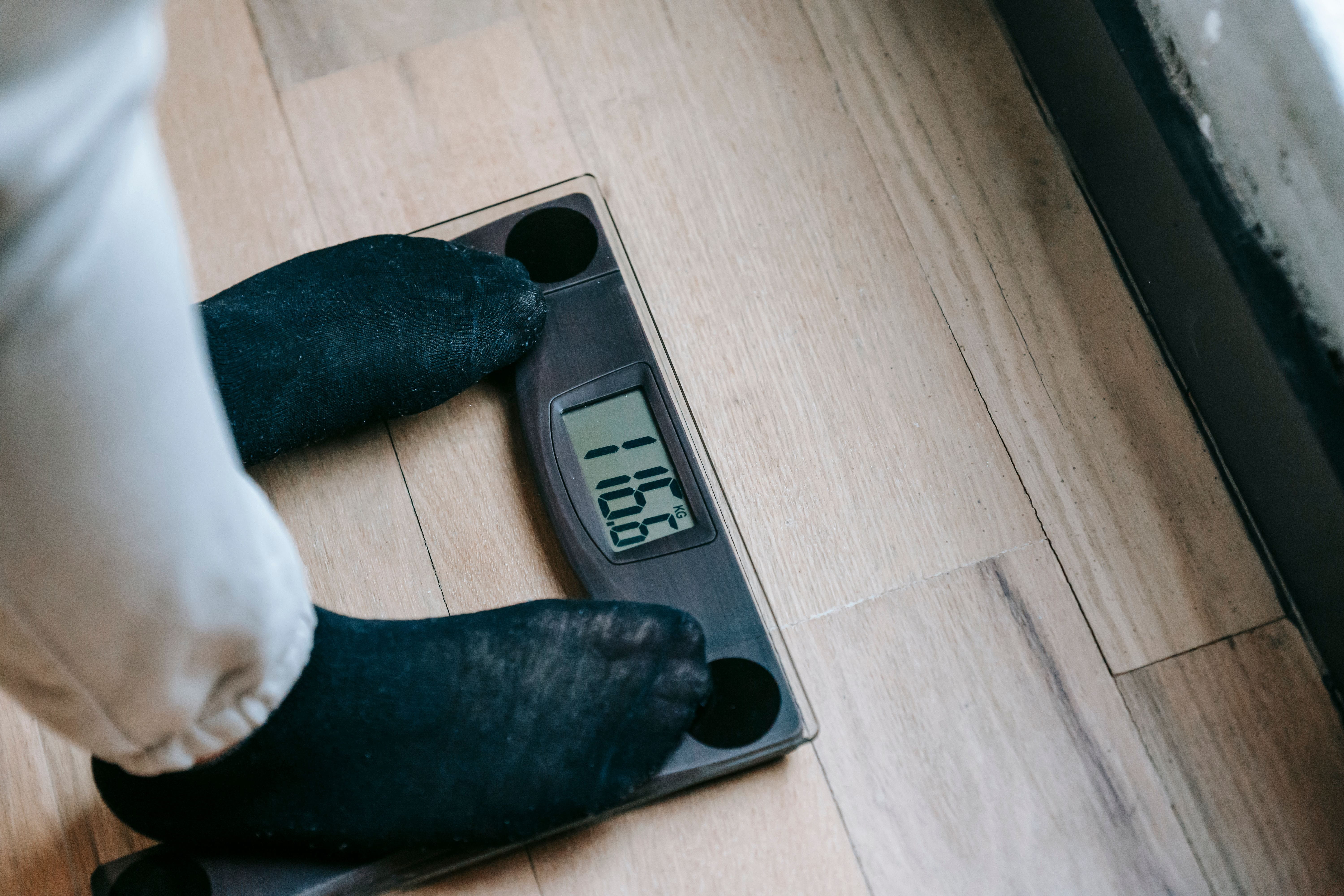
The fastest way to lose weight sustainably is to create a manageable calorie deficit, eat balanced meals with plenty of protein and fibre, move regularly and get enough sleep. Although rapid weight loss can be tempting, a steady approach is generally easier to maintain and more likely to support lasting results.
In this evidence-based guide, Yusra Serdaroglu Aydin MSc RD, Vivere's Head of Nutrition with a background in nutrition, food engineering and culinary arts, explains how to approach healthy weight loss in the UK.
Her approach is grounded in science and shaped by a strong understanding of personalised nutrition and the human microbiome, with practical advice informed by UK guidance from the NHS, the National Institute for Health and Care Excellence (NICE), the British Dietetic Association (BDA) and peer-reviewed research.
In One Sentence:
The fastest sustainable weight loss is usually the steadiest, at around 1 to 2lb (0.5 to 1kg) a week, supported by a modest calorie deficit of 500 to 600 calories a day, more protein and fibre for fullness, regular movement, good sleep and habits that protect muscle and make weight regain less likely.
Key Takeaways
What is the fastest safe rate of weight loss? The NHS generally recommends aiming to lose around 1 to 2lb (0.5 to 1kg) a week for safe and sustainable progress.
How do I actually lose weight? Eating slightly less energy than you burn, choosing protein- and fibre-rich foods and moving more can help you establish a manageable calorie deficit.
Why not just crash diet for faster results? Severe restriction can cause water and muscle loss, contribute to metabolic adaptation and make it harder to maintain your weight in the long term.
Is there a magic food or trick? No single food, supplement or exercise guarantees rapid fat loss, but consistent everyday habits can make a meaningful difference.
How can I make weight loss last? Protecting sleep, staying hydrated, preserving muscle and choosing realistic changes can help you maintain progress over time.
Why Can Losing Weight Too Fast Backfire?
Losing weight too fast can backfire because rapid weight loss may involve water and muscle as well as body fat, while making a restrictive diet harder to maintain.
When you reduce your food intake, your body starts using stored energy to meet its needs. Some of the initial change on the scales can come from glycogen depletion. Glycogen is the stored form of carbohydrate found mainly in your muscles and liver, and it is stored alongside water. When glycogen levels fall, the associated water is released, which can cause a noticeable early drop in weight without an equivalent reduction in body fat.
Adipose Tissue
Sustained fat loss involves reducing adipose tissue, which is the body's stored fat. However, severe calorie restriction can also contribute to lean muscle loss, particularly if your diet does not provide enough protein or you do not do muscle-strengthening exercise.
Body Adaptations
Your body also adapts as you lose weight. A smaller body generally requires less energy, but research on how weight loss lowers energy expenditure suggests that energy expenditure can fall beyond what would be expected from changes in body size alone [1]. This response is known as adaptive thermogenesis. It can make continued weight loss more difficult than it was at the beginning.
Resting Metabolic Rates
Your resting metabolic rate, which is the energy your body uses to maintain essential functions at rest, can also decrease as you lose weight, partly because you weigh less and may have less lean tissue. These changes do not mean that your metabolism has stopped working, but they can affect how much energy you need each day.
Hunger and Fatigue
Very restrictive diets may also leave you feeling hungry, tired or preoccupied with food. These effects can make it difficult to maintain your new eating habits, increasing the likelihood of weight regain and a repeated yo-yo pattern of losing and regaining weight.
A more sustainable approach aims to reduce body fat while preserving muscle, maintaining adequate nutrition and building habits that remain realistic after you reach your goal.
What Are the Pillars of Fast, Lasting Weight Loss?
Fast, lasting weight loss is best supported by four everyday pillars: a sensible calorie deficit, protein and fibre for fullness, regular movement and adequate sleep and hydration.
These pillars work together to support steady fat loss without making everyday life unnecessarily restrictive. The aim is to make progress at a manageable rather than punishing pace, with changes you can maintain over weeks, months and beyond.
1. Find a sensible calorie deficit
A sensible calorie deficit means eating a little less energy than your body uses, allowing it to draw on stored energy over time.
Your total daily energy expenditure is the energy your body uses through basic functions, digestion and physical activity. It varies according to factors such as body size, age, sex, metabolism and activity levels.
A moderate deficit of around 500 to 600 calories a day is commonly used as a starting point for weight management. It can help support a steady rate of weight loss without requiring extreme restriction. However, this is a general guide rather than a target that suits everyone. Your individual needs may differ depending on your health, current weight, activity levels and nutritional requirements.
The NHS Weight Loss Plan has used daily calorie targets of around 1,400 calories for women and 1,900 calories for men as general weight-loss guides. These figures are not universal prescriptions and should not be treated as the correct intake for every adult. Some people may need more energy, while others may need personalised advice.
A calorie deficit should leave enough room for nutritious meals, adequate protein, essential fats, carbohydrates, vitamins and minerals. Cutting out entire food groups without a clinical reason can make a balanced diet more difficult to achieve.
Very low-calorie diets, which provide fewer than 800 calories a day, are not suitable for routine self-directed weight loss. They may be considered in specific circumstances, but generally require medical supervision and should be followed for a limited time. They can increase the risk of nutritional deficiencies and other adverse effects if used inappropriately.
For most people, the engine of weight loss is a consistent, achievable calorie deficit rather than the lowest possible calorie intake. If your approach leaves you exhausted or constantly hungry, it may be too restrictive to sustain.
2. Prioritise protein and fibre for fullness
Protein and fibre help you feel full, making it easier to manage your calorie intake while supporting muscle maintenance and digestive health.
Higher-protein diets can improve satiety, meaning the feeling of fullness after eating, and may help preserve lean muscle during weight loss. A review on the role of protein in weight loss supports the importance of considering protein intake when planning a weight-management diet [2]. However, protein requirements vary, and more is not automatically better for everyone.
Good UK protein sources include lean poultry, eggs, fish, lean beef, dairy products, beans, lentils and tofu. Greek yoghurt can also be a convenient protein-rich choice. Including a protein source at each main meal can help distribute your intake throughout the day.
Fibre is equally useful because it supports digestive health and can help meals feel more satisfying. Many high-fibre foods also contain vitamins, minerals and other beneficial nutrients. Oats, wholegrains, pulses, vegetables and fruit are useful options to include regularly.
The NHS Eatwell Guide recommends a balanced eating pattern that includes fruit and vegetables, starchy carbohydrates, protein sources and dairy or suitable alternatives [3]. A practical approach is to aim for roughly half a plate of vegetables at main meals, alongside a protein source and a suitable portion of high-fibre carbohydrates.
For example, you could have porridge made with oats, fruits, seeds, nuts and Greek yoghurt for breakfast, lentil soup with wholegrain bread for lunch and fish with potatoes and vegetables for dinner. These meals provide a combination of protein, fibre and other nutrients without relying on specialist diet products.
You do not need to eliminate carbohydrates to lose weight. Choosing higher-fibre, slower-digesting options such as oats, wholegrain bread, brown rice and pulses can help you build filling meals that are easier to maintain.
If you have a medical condition that affects your diet, such as kidney disease, ask your GP or a Registered Dietitian about your individual protein requirements.
3. Move more with steps and strength
Combining everyday movement with strength training helps increase energy expenditure, preserve muscle and support a healthier body composition during weight loss.
You do not need a punishing gym routine to become more active. Building up your daily steps, walking to nearby destinations, taking the stairs or adding short movement breaks to your working day can all contribute to your overall activity.
The most useful starting point is a challenging but realistic target. If you currently do very little activity, begin with short walks and increase their duration or frequency gradually. A routine you can repeat consistently is more valuable than an ambitious plan that becomes difficult to maintain.
Strength work is particularly important because preserving muscle can help you maintain physical function as you lose weight. Resistance exercises such as squats, wall press-ups, resistance-band exercises and lifting weights can help you maintain or build strength.
The NHS physical activity guidelines recommend that adults aged 19 to 64 aim for at least 150 minutes of moderate-intensity activity each week, alongside muscle-strengthening activities on at least two days a week [4]. Moderate activity includes brisk walking, cycling on level ground and dancing at an intensity that raises your heart rate while allowing you to talk.
You can spread activity across the week rather than completing it all at once. For example, a brisk 30-minute walk on five days can help you reach the weekly aerobic activity target.
Strength training twice a week, combined with regular walking or another form of aerobic activity, provides a practical foundation for many adults. If you have mobility limitations, an existing medical condition or have not exercised for a long time, adapt your plan and seek professional advice where appropriate.
Physical activity also supports mood, cardiovascular health and everyday wellbeing. These benefits matter even when changes on the scales are gradual.
4. Protect your sleep and stay hydrated
Good sleep and adequate hydration support appetite regulation, energy levels and the ability to maintain healthy routines.
Sleep is an often-overlooked part of weight management. Research linking short sleep with appetite hormones has examined the relationship between sleep duration, ghrelin and leptin [5]. Ghrelin is involved in stimulating hunger, while leptin helps signal energy availability and fullness. Shorter sleep has been associated with changes in these hormones and higher body mass index, although this does not prove that poor sleep alone causes weight gain.
When you are tired, you may also find it harder to plan meals, stay active or manage cravings. Getting around seven to nine hours of sleep a night is a reasonable general target for many adults, although individual needs vary.
A consistent bedtime, a relaxing evening routine and reducing caffeine late in the day may help improve sleep quality. If you regularly struggle to sleep or feel excessively tired, speak to your GP for advice.
Hydration also matters. Drinking enough fluid supports normal bodily functions and can help you distinguish thirst from hunger. Water is a useful everyday choice, while tea, coffee and other drinks can also contribute to fluid intake. Your requirements will vary according to your activity levels, the weather and your health.
You do not need to force yourself to drink excessive amounts of water or use detox drinks to lose weight. Staying hydrated supports general health, but drinking water alone does not cause body fat to disappear.
Sleep and hydration are not shortcuts to rapid weight loss. They are practical habits that make the wider process easier to manage.
Sustainable Weight Loss vs Crash Dieting: What Is the Difference?
Sustainable weight loss usually involves gradual fat loss and manageable lifestyle changes, whereas crash dieting often produces faster initial scale changes that may be harder to maintain.
The differences extend beyond how quickly your weight changes. A sustainable approach aims to protect muscle, meet your nutritional needs and establish a routine that remains realistic after you reach your target.
Crash diets are not automatically harmful in every clinical context, but extreme plans should not be confused with ordinary, self-directed weight management. Some medically supervised programmes use substantial calorie restriction for specific reasons and with appropriate monitoring.
For most people, the better question is not how quickly they can force the scales down, but how they can reduce body fat while maintaining their health and keeping the weight off. Sustainable progress may look less dramatic from week to week, but it is often more compatible with everyday life.
How Do You Put This Into Practice in the UK?
The most practical way to begin is to choose one or two manageable habits, use trusted UK guidance and build consistency over several weeks and months.
You do not need to change everything at once. A simple plan that fits your budget, food preferences, work schedule and current activity level is more likely to become part of your routine.
Start with the NHS Better Health Weight Loss Plan
The NHS Better Health Weight Loss Plan offers a free 12-week plan to help people make changes to their eating habits and physical activity [6].
Rather than following an extreme diet, use the plan to establish a realistic starting point. You can review your usual meals, identify opportunities to improve portion sizes and plan how to fit more movement into your week.
The NHS Eatwell Guide can help you structure meals around vegetables and fruit, higher-fibre carbohydrates, protein sources and suitable dairy products or alternatives. You can adapt these principles to your preferences rather than relying on expensive meal replacements or specialist foods.
Make everyday habits easier to repeat
Small changes can add up when you maintain them consistently. Consider the following practical steps:
Cook at home more often: Preparing meals yourself can make ingredients and portions easier to manage.
Include vegetables regularly: Add vegetables to lunch and dinner to increase fibre and meal volume.
Choose a protein source at meals: Options such as eggs, beans, fish, tofu and yoghurt can help you build satisfying meals.
Walk daily: Start with a manageable amount and increase your steps as your fitness improves.
Improve your sleep routine: Aim for a regular bedtime and enough time to rest.
Plan ahead: Keep convenient ingredients available so that balanced meals are easier to prepare on busy days.
You do not need to follow every suggestion immediately. Pick one or two changes that feel realistic and practise them until they become easier. You can then build on your progress.
Use reliable UK food and weight guidance
The British Dietetic Association’s food fact sheets provide accessible information about nutrition, food choices and weight management [7].
Reliable guidance can help you assess claims about rapid weight loss, restrictive diets and supplements. Be cautious of programmes that promise guaranteed results, recommend cutting out numerous food groups without good reason or suggest that a particular product can replace balanced eating.
It can also help to monitor progress in ways other than weight alone. You might notice that walking becomes easier, your energy improves, or you feel more confident preparing balanced meals. These changes can be worthwhile even when your weight fluctuates.
Consistency over weeks and months matters more than following a perfect plan for a few days. The aim is to develop habits you can keep for good, rather than moving repeatedly between strict diets and periods of regain.
"The word 'fastest' is often where people go wrong with weight loss. The diet that produces the quickest-looking result is rarely the one that works best over the long term. A gentle calorie deficit, meals built around protein and vegetables, daily movement and better sleep may seem less dramatic, but these habits are much easier to maintain. The real goal is to feel lighter a year from now and still be able to keep that progress, without constantly starting another diet."
A gentle note about personalised support
Weight management should be based on your own health, nutritional needs and circumstances, rather than a standard target that assumes everyone has the same starting point.
If you have a history of disordered eating, a restrictive diet or frequent weighing may not be appropriate for you. Consider speaking to your GP or a Registered Dietitian about an approach that prioritises your physical and psychological wellbeing.
You may also need tailored advice if you take medication that affects your appetite or weight, have a long-term health condition, are pregnant or breastfeeding, or have other circumstances that affect your nutritional requirements. A GP or Registered Dietitian can help you identify an appropriate plan and decide whether additional support would be beneficial.
Frequently Asked Questions
These weight loss FAQs explain how to approach common concerns, from losing a stone in a month to choosing foods, counting calories and managing a plateau.
Can I safely lose a stone in a month?
Losing a stone in a month is a relatively rapid target and is faster than the usual NHS recommendation of 1 to 2lb (0.5 to 1kg) a week.
A stone is 14lb, or approximately 6.4kg. Losing that amount over four weeks would mean an average of around 3.5lb a week, which is above the usual recommended rate for safe and sustainable weight loss.
Some people, particularly those carrying a lot of excess weight, may experience faster weight loss at the beginning of a programme. Early changes can also reflect water loss rather than body fat alone. However, a target of one stone a month is not suitable for everyone and should not be treated as a requirement for success.
If you are considering a rapid weight-loss programme, speak to your GP or a Registered Dietitian. They can help you decide what is appropriate for your health and circumstances.
What foods help you lose weight fastest?
No single food causes weight loss, but high-protein and high-fibre foods can help you feel full on fewer calories.
Useful options include lean proteins such as chicken and white fish, Greek yoghurt, eggs and tofu, alongside fibre-rich foods such as oats, lentils, beans, broccoli and other vegetables. Wholegrain bread, brown rice and other wholegrains can also form part of a balanced weight-loss diet.
The most important factor is your overall eating pattern and whether it supports a manageable calorie deficit. A food does not need to be labelled as a weight-loss food to be useful, and you do not need to eliminate your favourite foods completely.
Aim to build balanced meals that provide enough protein, fibre and other essential nutrients while fitting your appetite, preferences and budget.
Do I need to count calories to lose weight?
You do not necessarily need to count calories to lose weight, although tracking intake can help some people understand their eating habits and manage portions.
Others may find it easier to focus on meal structure, food quality and consistent habits without recording every calorie. For example, following the Eatwell Guide, including vegetables at main meals and choosing protein-rich foods can help you improve your diet without detailed tracking.
The best method is the one you can maintain without causing unnecessary stress or becoming overly focused on food. If calorie counting makes you anxious or encourages restrictive behaviour, consider a different approach and seek support if needed.
Why have I stopped losing weight?
Weight loss often slows over time because a lighter body needs less energy, and your initial changes in water weight may no longer be occurring at the same rate.
A plateau is a normal part of weight management and does not necessarily mean that your approach has stopped working. Changes in activity, appetite, fluid balance and other everyday factors can also affect the scales.
If progress has stalled for several weeks, review your portion sizes, protein intake, physical activity and sleep. Consider whether your current routine still fits your needs, but avoid immediately making drastic cuts to your food intake.
It can also help to look beyond individual weigh-ins and consider longer-term trends. If you have been consistent and remain concerned, a GP or Registered Dietitian can help you review your plan and identify appropriate next steps.
Nutritionist's Corner: Final Thoughts
"The fastest way to lose weight sustainably is to stop chasing the fastest diet and focus on the pace you can maintain. Fast and sustainable are not necessarily opposites when you look at progress over a long enough timescale. Dramatic weight loss achieved through severe restriction can come at the expense of muscle, energy and long-term consistency, increasing the likelihood of regaining weight.
My advice is to start with a sensible calorie deficit, build meals around protein, vegetables and wholegrains, move every day and protect your sleep. These habits do not need to be expensive or complicated. They should be affordable, flexible and suited to your everyday life.
Use trusted UK guidance, including NHS resources, as a starting point, and remember that your nutritional needs are individual. If you have a medical condition, take medication that affects your weight or need help finding an appropriate approach, speak to your healthcare professional. The best plan is not the one that promises the most dramatic result, but the one that helps you make progress and gives you habits you can live with."
Vivere helps you take control of your health with personalised insights from state-of-the-art gut microbiome testing, nutritional guidance, science-backed supplements, NAD+ injections and expert support. Sign up today and start living better, for longer.
Sources
[1] Adaptive thermogenesis with weight loss in humans - Müller - 2013 - Obesity - Wiley Online Library
[2] The role of protein in weight loss and maintenance234 - The American Journal of Clinical Nutrition
[4] Physical activity guidelines for adults aged 19 to 64 - NHS
[6] How to lose weight | Weight loss tips and advice - Better Health - NHS
[7] Food Facts - BDA
Author

Yusra Serdaroglu Aydin, MSc RD
Head of Nutrition and Registered Dietitian
Yusra is a nutritionist with a multidisciplinary background in nutrition, food engineering, and culinary arts. During her education, her curiosity abo...