The Microbiome's Role in Weight Loss and Metabolism
Last Updated: 25 September 2026
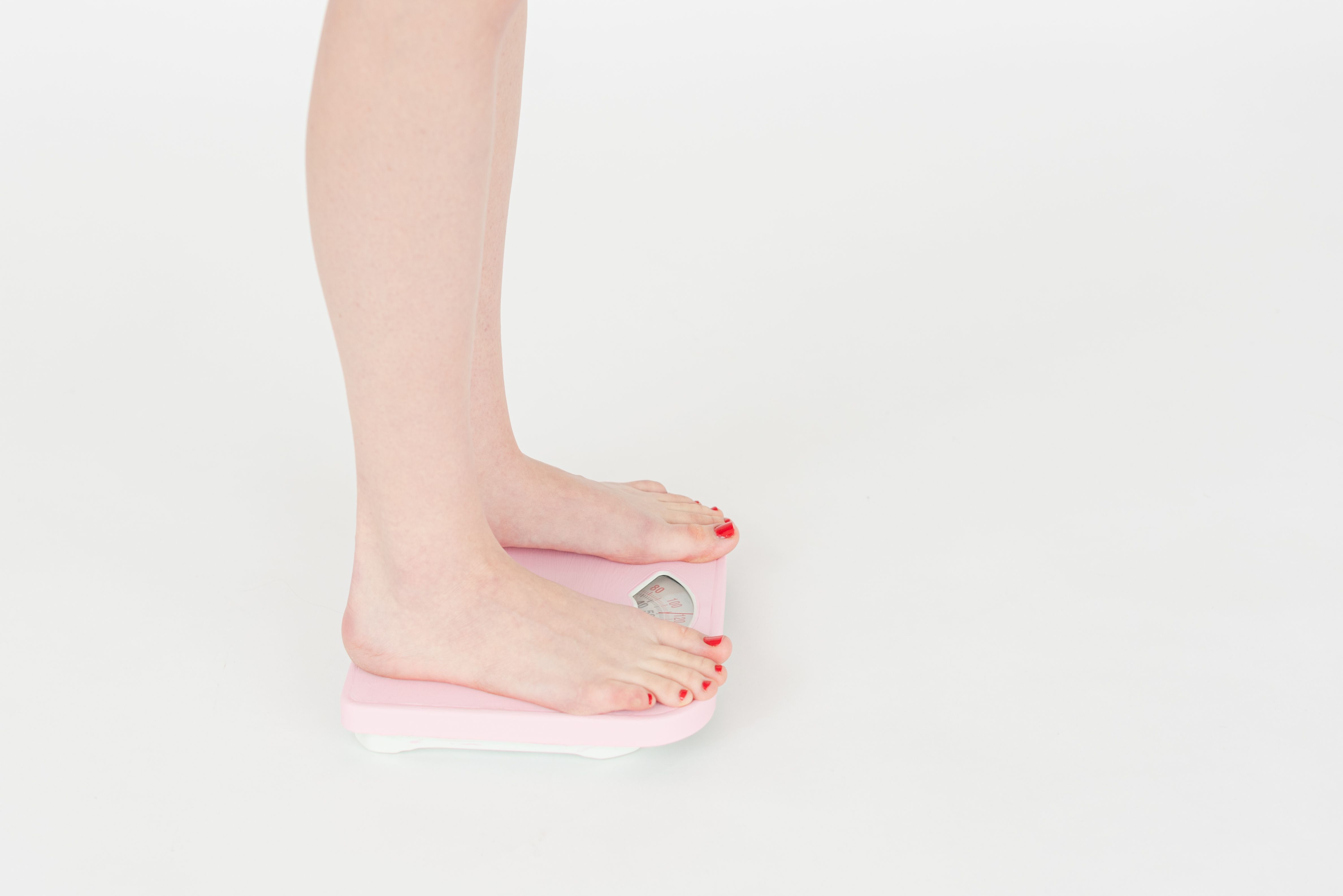
Have you ever tried to lose weight, followed all the rules, but the scales just refuse to move? It can be incredibly frustrating. You might think you are doing something wrong or that you simply do not have enough willpower. However, the real reason your body holds onto extra weight might be hidden deep inside your digestive system. The microbes in your gut can influence how your body uses energy and stores fat.
In One Sentence
A gut health test assesses your gut bacteria to see whether they may be influencing energy balance and fat storage, which may help guide a more informed approach to weight management.
Key Takeaways
Can my gut bacteria make me gain weight? Yes, changes in gut microbes may influence how the body processes and stores energy. Some bacteria are associated with greater energy extraction from food than others.
How do I fix a slow metabolism? By identifying patterns in your gut microbiome, you may be able to make more targeted dietary changes that support metabolic health.
What is the first step to healing my digestion? Using a high-quality gut microbiome test kit helps you stop guessing and gives you a clear map to reach your health goals.
Can a gut microbiome test help with weight loss?
A gut microbiome test helps with weight loss by identifying metabolic imbalances, such as an overabundance of calorie-extracting bacteria, allowing for a personalised nutrition plan that shifts the gut environment toward optimal fat burning. It provides the data needed to break through stubborn weight loss plateaus.
When you use a gut microbiome test kit, you get to see exactly what is happening inside your body. At Vivere, we use highly advanced Shotgun Metagenomic Sequencing. This simply means we look at all the microbial DNA in your gut.
Once we find the bacteria that are slowing you down, we can help you fix the problem. You can learn more about this in our guide on Gut Bacteria and Stubborn Weight Loss.
How do gut bacteria affect metabolism and fat storage?
Gut bacteria can affect metabolism and fat storage by breaking down indigestible dietary fibres into short-chain fatty acids (SCFAs), which influence energy metabolism, appetite, and other metabolic processes. They may also affect how efficiently energy is extracted from food.
Your gut is like a busy factory, and the microbes are the workers. When you eat food, these workers help break it down. Some microbes produce signals that may help regulate appetite and support feelings of fullness.
Other microbes may be associated with increased energy extraction from food. By following a targeted nutrition plan, you can support beneficial microbes and reduce less favourable patterns in the gut microbiome. This may help balance blood sugar and reduce sudden food cravings. We explore this further in How the Microbiome Controls Your Appetite.
What is the Firmicutes to Bacteroidetes ratio?
The Firmicutes to Bacteroidetes ratio is a key biomarker in gut health testing that compares the two dominant bacterial phyla in the human gut; a higher ratio of Firmicutes is scientifically linked to increased calorie extraction and obesity. It acts as a clear metabolic health score for your body.
To make this easier to understand, imagine two major groups of bacteria living in your gut. The Firmicutes group is involved in breaking down certain components of food and can influence how energy is harvested from the diet.
The balance between Firmicutes and Bacteroidetes has been studied in relation to body weight and metabolic patterns. Studies show that people who struggle with their weight often have way too many Firmicutes [1]. Taking a gut flora test allows you to see your ratio as part of a broader view of your gut microbiome.
Why is testing your gut the best first step for weight loss?
Testing your gut is the best first step for weight loss because it removes the daily guesswork from your diet, giving you precise, clinical data about your unique digestive system so you can make simple food choices that actually work to boost your energy and burn fat.
Many people waste money on fad diets that are not built for their specific bodies. Finding the best gut health test means choosing one that gives you real, actionable advice based on your own body.
When you decide to test gut health with a gut biome test UK service like Vivere, you learn how to work with your body instead of against it. You find out exactly which foods your body loves. For a deeper look at how this helps you live a longer, healthier life, check out our article on Metabolic Health and Longevity.
Frequently Asked Questions
Can balancing my gut bacteria help me lose belly fat?
Yes. Supporting a healthier gut microbiome may help improve metabolic health and inflammation, which can play a role in abdominal fat.
Do I need to count calories if I fix my gut bacteria?
Eating appropriate amounts is still important, but a healthier gut microbiome may support appetite regulation and energy metabolism, which can make healthy eating easier to maintain.
How quickly will my metabolism change?
Gut microbes can respond within days to dietary changes, but noticeable, lasting changes in metabolism and weight usually develop gradually over a period of weeks to months when following a personalised plan.
Nutritionist's Corner: Final Thoughts
“When people come to me feeling defeated by endless diets and weight-loss plateaus, I often look at their digestion first. If you have a higher Firmicutes-to-Bacteroidetes ratio, your gut may be associated with greater energy extraction from food compared with someone with a more balanced microbiome. It is not your fault. By using an advanced microbiome test, we can assess your specific microbial profile. We then use a data-driven nutrition plan to support beneficial bacteria, encourage SCFA production, and help regulate appetite, supporting a healthier metabolism.”
Sources
Peer Reviewed by

Yusra Serdaroglu Aydin, MSc RD
Head of Nutrition and Registered Dietitian
Yusra is a nutritionist with a multidisciplinary background in nutrition, food engineering, and culinary arts. During her education, her curiosity abo...