Gut Testing for IBS, Bloating, and Digestive Discomfort
Last Updated: 25 June 2026
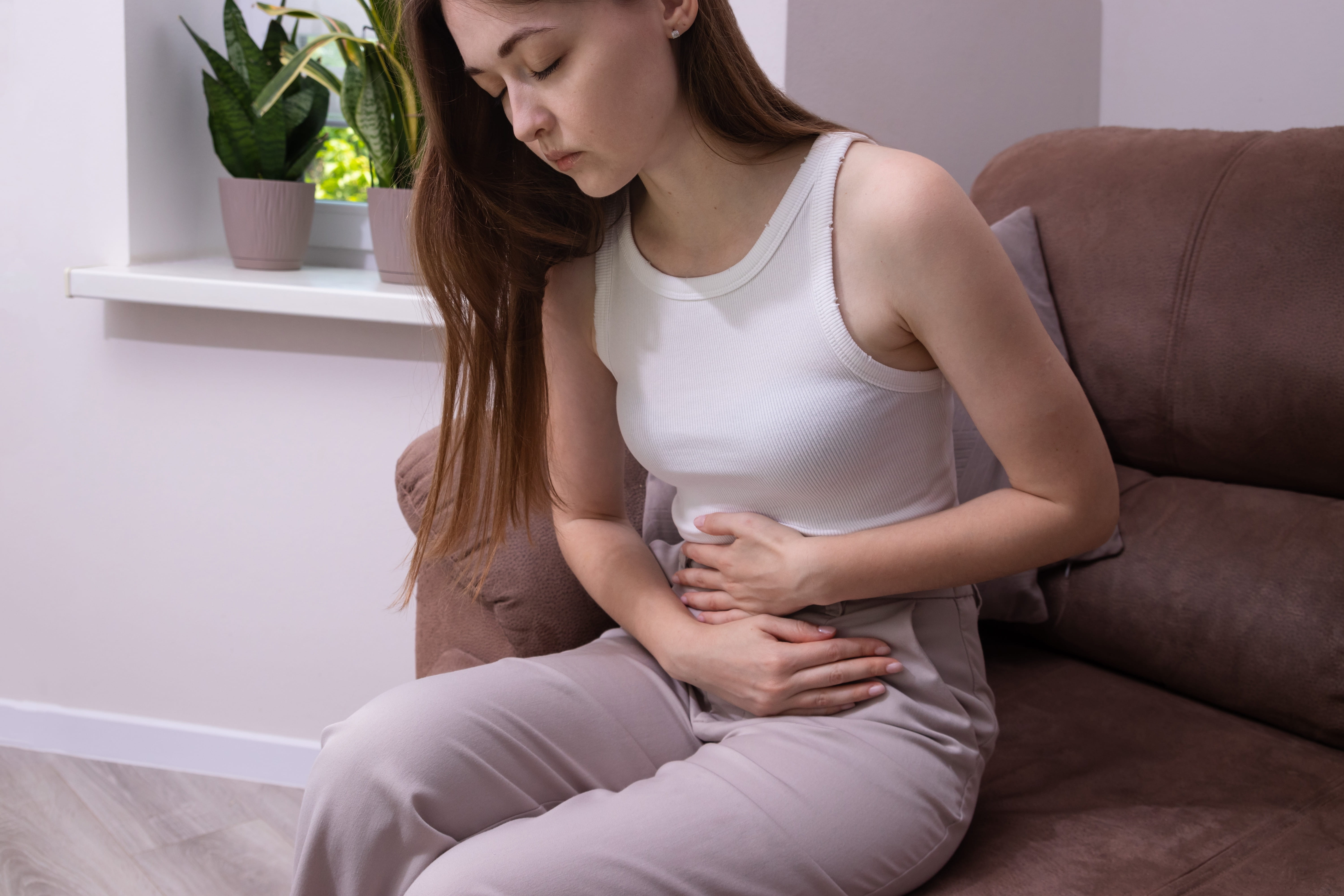
Living with daily stomach pain, trapped wind, or unpredictable toilet trips can make life very difficult. If you feel bloated after every meal, you might wonder what is going wrong inside your body. The answer often lies in the tiny living organisms that make up your digestive system.
In One Sentence
A gut health test helps you understand the root causes of your bloating, Irritable Bowel Syndrome (IBS), and digestive discomfort so you can finally start taking action.
Key Takeaways
Can testing my gut help with my stomach pain? Yes, a test can identify imbalances in gut bacteria that may be contributing to excess gas and daily pain.
What is Irritable Bowel Syndrome (IBS)? IBS is a common condition that causes stomach cramps, bloating, diarrhoea, constipation or alternating bowel habits.
How do I stop the bloating? By testing your bacteria, you can learn exactly which foods to eat to build up good microbes that calm your stomach.
Can a gut bacteria test help with IBS?
A gut bacteria test helps manage Irritable Bowel Syndrome (IBS) by identifying microbial imbalances, such as elevated Dorea or depleted butyrate-producing bacteria, allowing for targeted dietary interventions.
If you have IBS, your digestive system is highly sensitive. Doctors might tell you to just manage your stress or avoid certain foods. However, scientific research shows that IBS patients have a severe imbalance of bacteria in their intestines [1].
When you take a high-quality test, you stop guessing.
What causes a bloated stomach and trapped gas?
A bloated stomach and trapped gas can be caused by bacteria fermenting undigested food in your intestines, or by a condition called Small Intestinal Bacterial Overgrowth (SIBO) where bacteria overgrow in the small intestine.
When you eat, food travels down into your stomach and then into your intestines. Sometimes, bacteria break down carbohydrates too quickly. This process is called fermentation. Fermentation creates a large amount of gas. This gas stretches your stomach walls, which causes that uncomfortable and tight feeling we call bloating.
SIBO happens when there is an excessive amount or abnormal type of bacteria in the small intestine. This can increase fermentation and may lead to symptoms such as bloating, wind, abdominal discomfort. This makes the bloating even worse because the gas gets trapped higher up in your body.
How do short-chain fatty acids reduce digestive discomfort?
Short-chain fatty acids (SCFAs), especially butyrate, reduce digestive discomfort by lowering inflammation, healing the lining of your stomach, and providing energy to the cells that keep your digestion moving smoothly.
SCFAs are important molecules made by the good bacteria in your body when they break down fibre. Two of the most important bacteria for making these chemicals are Faecalibacterium and Akkermansia.
Faecalibacterium: This is a microbe that produces large amounts of butyrate. This may help to stop stomach pain and protect against IBS.
Akkermansia: This bacterium lives in the mucus lining of your gut. It keeps the walls of your intestines strong and healthy.
Your test shows whether you have lower levels of these microbes and reduced overall diversity. Your nutritionist gives you a personalised food plan to feed them and achieve a more diverse gut microbiome.
What is the best test for ongoing stomach problems?
The best test for ongoing stomach problems uses advanced Shotgun Metagenomic Sequencing to look at all the DNA in your stool, analysing bacteria, viruses and fungi.
Older tests only look at broad families of bacteria. The Vivere test uses the most advanced science available to look deep into your digestive system. It spots the root causes of your gas and discomfort. Plus, it comes with a personal plan from a nutritionist to help you choose the right foods to support your digestive health.
Frequently Asked Questions
What is dysbiosis?
Dysbiosis means your gut is out of balance. It happens when you have too many bad microbes and not enough good ones, leading to stomach pain and severe bloating.
Will changing my diet cure my IBS?
Diet changes can help reduce your symptoms significantly. By using a gut test, you learn exactly which foods work best for your unique body instead of following generic advice.
Can I test for SIBO at home?
A stool test can show imbalances that point to SIBO, however, breath testing is more commonly used.
Nutritionist's Corner: Final Thoughts
"When you are struggling with IBS, painful bloating, or unpredictable digestion, generic diet advice simply does not work. By testing your gut, we can see what is happening inside your digestive tract. We look for overgrown bacteria that may cause excess gas, check for signs of SIBO and more. Armed with this precise data, we can create a targeted nutrition plan that feeds protective bacteria like Akkermansia and Faecalibacterium, helping to soothe your digestion and resolve your discomfort from the inside out."
Sources
Author

Yusra Serdaroglu Aydin, MSc RD
Head of Nutrition and Registered Dietitian
Yusra is a nutritionist with a multidisciplinary background in nutrition, food engineering, and culinary arts. During her education, her curiosity abo...