How To Take a Gut Microbiome Test by Vivere at Home: Step-by-Step Instructions
Last Updated: 25 June 2026
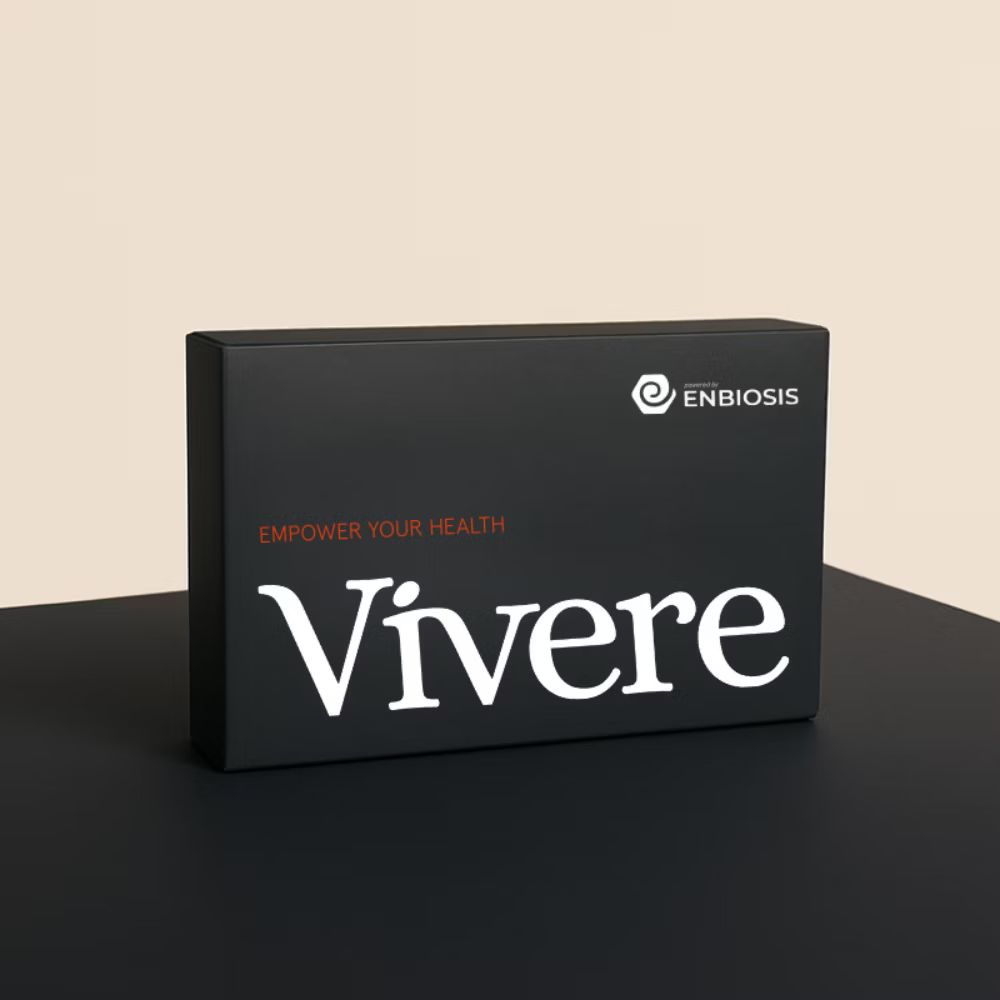
Understanding how to take a gut microbiome test correctly is essential to getting accurate and meaningful results, and this guide explains the full process step by step using the Vivere gut microbiome test.
The insights provided in this article are guided by Vivere’s Head of Nutrition, Yusra Serdaroglu Aydin, a registered dietitian with a background in nutrition, food engineering and culinary arts, whose approach is grounded in science and shaped by a strong understanding of personalised nutrition and the human microbiome.
From preparation to sample collection and return, each stage supports precise DNA mapping using advanced methods such as Shotgun Metagenomic Sequencing to identify microorganisms like bacteria, offering a detailed gut health snapshot and valuable insight into internal health.
In One Sentence:
Taking a Vivere gut microbiome test at home involves simple preparation, careful sample collection using a hygienic swab technique and prompt posting to ensure accurate DNA analysis of your gut bacteria.
Key Takeaways
How do I prepare for my gut microbiome test? You should avoid antibiotics and maintain a usual diet.
Do I need a large sample for the test? No, only a very small amount, roughly the size of a lentil, is required for effective DNA sequencing.
How do I post my sample back? Place your sample in the provided prepaid envelope and post it using a Royal Mail Postbox whenever possible.
Will my sample be safe until it reaches the lab? Yes, the buffer solution inside the tube stabilises your sample, allowing it to be stored at room temperature for up to a year without degradation and ensuring it arrives safely at the lab.
What happens after submission? Your sample undergoes a scientific sequencing process, and results are uploaded to your Vivere dashboard with personalised insights.
Preparation: What To Do "One Week Before" Taking Your Gut Test
Preparing properly in the week before your gut microbiome test helps ensure your results reflect your true daily gut environment.
In the days leading up to your test, it is important to follow a usual diet and avoid factors that may alter your microbiome composition. This includes limiting exposure to unusual foods, as-needed medications, new supplements and avoiding any unnecessary changes that could influence DNA sequencing accuracy. Proper preparation ensures your results reflect your natural gut state rather than temporary fluctuations.
The Antibiotic Window
Avoid antibiotics for at least several weeks before testing to prevent disruption to your gut bacteria.
Antibiotics can significantly alter the balance of bacteria in your gut, creating an artificial snapshot rather than a true representation of your microbiome. This “antibiotic window” allows your system time to recover and stabilise, ensuring that the test captures your natural bacterial profile rather than one influenced by recent medication.
Step-by-Step Collection Instructions (The "Swab" Technique)
The swab technique is a hygienic and precise method for collecting a small but sufficient biological sample for analysis.
Using the diagnostic testing kit provided, you will collect your sample using a sterile swab. You should collect your sample over a dry and clean surface, such as toilet paper. This ensures no contamination with urine and toilet water while preserving the quality of the sample for DNA protection during sample transit.
Submit
Submit your health questionnaire before collecting your sample.
Scan the QR code on the brochure to access your Vivere dashboard. Your kit should be automatically linked to your account. Please complete the short survey, which takes about 5 minutes, before sending your sample.
Catch
Use the kit provided to collect your sample safely.
Our hygienic testing method prevents contamination and preserves the integrity of the biological sample collection.
Swab
Collect a small sample using the sterile swab provided.
You only need a very small amount, roughly the size of a lentil, to complete the test. The sterile swab is designed to capture enough material for detailed DNA mapping without requiring a large sample.
Stabilise
Insert the swab into the sample tube containing the stabilisation buffer, mix thoroughly for 30 seconds, discard the cotton swab, and securely close the tube lid.
The stabilisation buffer preserves the DNA within the sample, preventing degradation during sample transit. This ensures that the laboratory receives a pristine sample suitable for high-quality analysis.
Posting Your Sample
Posting your sample correctly is essential to ensure prompt results.
Once your sample is collected, it should be sealed in the prepaid envelope provided with your test kit. This should then be posted in a Royal Mail Postbox as soon as possible to begin laboratory analysis.
When to Expect Results
After your sample reaches the laboratory, it undergoes a detailed scientific sequencing process that analyses your gut microbiome at a DNA level. This includes identifying bacteria, fungi and viruses and mapping their functions within your body. If you haven’t submitted already, you may also complete your health questionnaire until your results are ready.
Once analysis is complete, your results are uploaded to your Vivere Dashboard, and you will receive an email notification. Nutritionist cross-referencing ensures that your DNA results are interpreted alongside your physical symptom tracking for a more complete picture.
Understanding Your Vivere Results
Your Vivere report provides a detailed breakdown of your microbiome, highlighting key markers of gut health and overall well-being.
The report includes your Microbiome Diversity Score, which reflects the variety of bacteria present in your gut, and your Biological Age, which compares your microbiome profile to typical age-related patterns. Metabolic Scores assess your tendency to gain or lose weight, while indicators like dysbiosis highlight any bacterial imbalance.
Specific bacterial phyla such as Firmicutes and Bacteroidetes are analysed to assess gut function, including gut sugar processing and gut fat digestion. These insights can also point to inflammation markers and broader health concerns linked to microbial imbalance [1].
The 'Personalised Nutrition Plan' Explained
Your personalised nutrition plan translates your microbiome data into clear dietary recommendations tailored to your needs.
This plan uses food scores and colour coding to guide your food choices, helping to support beneficial bacteria feeding while reducing inflammation triggers and pathogen growth. It goes beyond generic multivitamin alternatives by focusing on targeted dietary ingredients and probiotic strain matching.
Superfoods (Green)
Green foods are recommended to support beneficial bacteria and improve gut health.
These foods often include sources of nutrients that your gut specifically needs to promote the growth of beneficial bacteria such as F. prausnitzii, which is linked to reduced inflammation and improved gut function [2].
Avoid (Red)
Red foods are those that may negatively impact your microbiome and should be limited.
These foods may contribute to inflammation triggers or feed harmful bacteria, leading to imbalances within the gut. Reducing these foods supports a healthier microbial environment and improved overall well-being [2].
Your Free Nutritionist Consultation
A consultation with a registered nutritionist helps you understand your results and apply them effectively.
During this session, your microbiome data, including Microbiome Age and others, is explained in a clear and practical way.
Questions you can ask
You can ask targeted questions to better understand your results and next steps.
"Is my Microbiome Age older than my actual age?"
This helps you understand whether your gut health reflects accelerated ageing and what changes may improve it.
"Which foods should I eat to improve my gut microbiome?"
Your nutritionist will provide guidance on how to follow your recommendations and highlight the foods you should focus on consuming more of.
"Which supplements should I use?"
This allows for tailored advice about supplementation.
Your consultation focuses on clinical data interpretation and provides non-sales nutritional advice to support informed decisions about your health.
Nutritionist's Corner: Final Thoughts
“Understanding your gut microbiome can provide valuable insights into digestion, immunity, and overall well-being. With Vivere's at-home testing, collecting a stool sample is simple and convenient. Just follow the kit instructions, submit your questionnaire, use the provided swab to collect a small sample, place it in the stabilising tube, and send it back to the lab.
Once your results are ready, you’ll review them during your nutritionist call. A personalised core 1-week plan will then be created based on your results. It’s a simple, effective way to turn your gut data into actionable steps for better health.”
Vivere helps you take control of your health with personalised insights from state-of-the-art gut microbiome testing, nutritional guidance, science-backed supplements, NAD injections and expert support. Sign up today and start living better, for longer.
Sources
Author

Yusra Serdaroglu Aydin, MSc RD
Head of Nutrition and Registered Dietitian
Yusra is a nutritionist with a multidisciplinary background in nutrition, food engineering, and culinary arts. During her education, her curiosity abo...