How to Rebuild Your Gut Health After Antibiotics and Stress
Last Updated: 25 September 2026
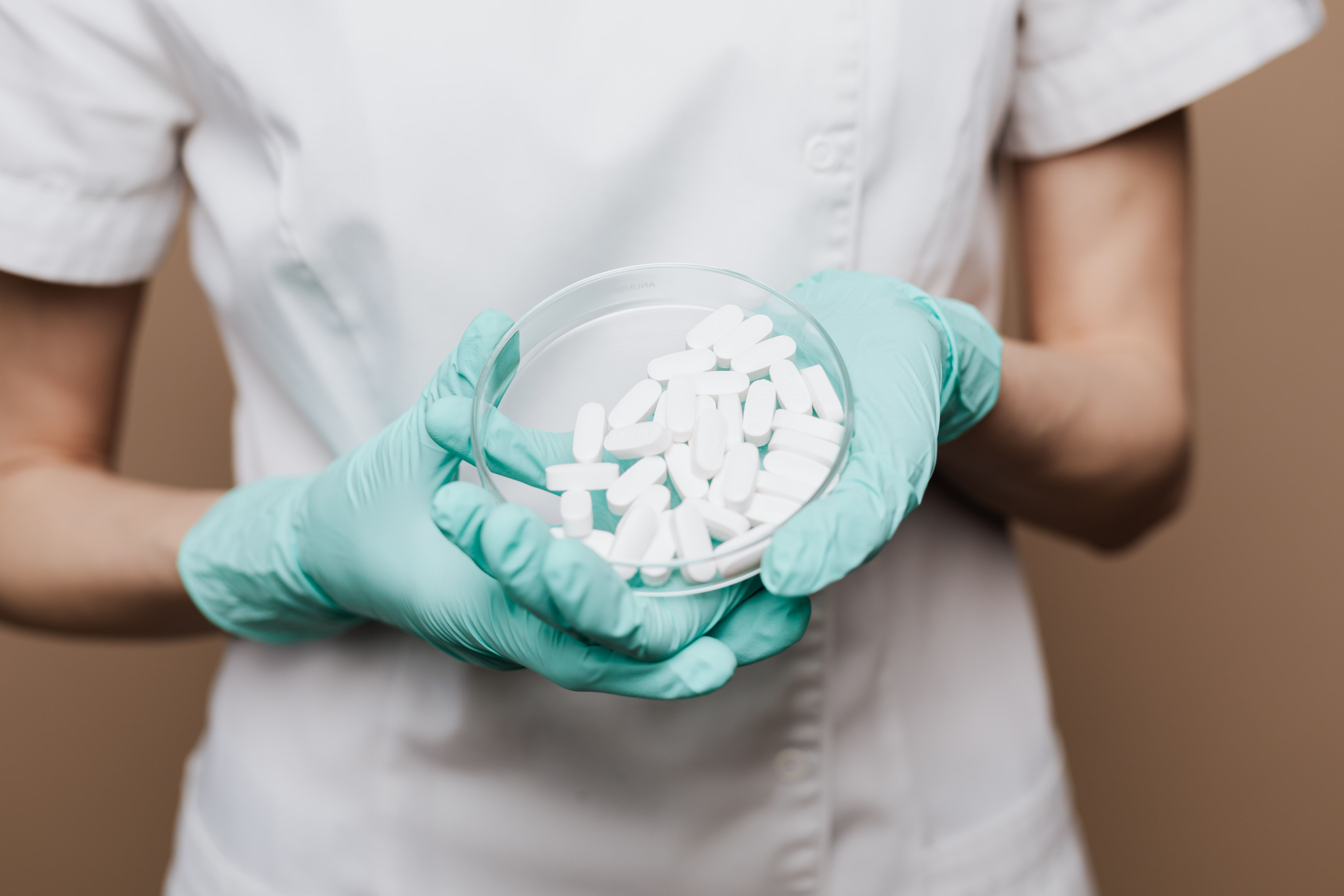
Have you recently taken medicine for an infection or gone through a very stressful time at work? You might have noticed that your stomach has not felt the same since. You might feel bloated, tired, or suddenly unable to digest your favourite foods. Modern medicine is wonderful for saving lives, but it can be very tough on your inner ecosystem. Before you can fix these frustrating stomach problems, you need to perform a proper damage assessment to see exactly what is broken.
In One Sentence
To support your digestion after taking strong medicine like antibiotics or experiencing high stress, it can be helpful to assess your symptoms carefully, and in some cases a stool test may provide additional information.
Key Takeaways
Why does my stomach hurt after taking antibiotics? Antibiotics work by killing bacteria causing your illness, but they can also affect some of the helpful bacteria in your gut, which may contribute to symptoms such as diarrhoea, bloating, or discomfort.
Can feeling stressed out actually change my digestion? Yes. When you are stressed, your body slows down digestion and stops making stomach acid, which creates the environment for harmful bacteria to multiply.
How do I fix the damage? You need to understand what is happening in your gut so a nutritionist can give you a clear, step-by-step food plan to support the growth of beneficial bacteria.
How long does it take for gut flora to recover after antibiotics?
It can take anywhere from two months to over a year for your gut flora to fully recover after antibiotics, and without targeted nutritional intervention, some of your highly beneficial bacterial strains may be permanently eradicated from your digestive system.
When you take a course of antibiotics, the medicine acts broadly on bacteria. It targets the bacteria involved in the infection, but it can also reduce some of the beneficial bacteria living in the gut.
Your gut is part of that system. The medicine can alter the balance of your gut bacteria in just a few days. Studies show that even a short, four-day course of antibiotics can change the gut microbiome for months [1]. If you do not actively work to replant those good bacteria using the right foods, your stomach may not be able to naturally return to its healthy state.
How does a gut bacteria test help after taking antibiotics?
A gut bacteria test can help after you’ve taken antibiotics by showing patterns in the gut microbiome, including changes in beneficial bacteria and the presence of some organisms that may become more abundant like Candida or C. diff after disruption.
Think of gut health testing as a way to gather more information. When beneficial bacteria are reduced, the balance of the gut environment can change. In some people, this may be associated with symptoms such as bloating, changes in bowel habits, or food intolerance symptoms.
By taking the gut microbiome test, you take the guesswork out of your recovery. We use highly detailed Shotgun Metagenomic Sequencing to spot these hidden imblanaces. If you want to know everything this data can show you, read our full guide: What can you learn from a gut microbiome test?
Can chronic stress destroy your gut microbiome?
Chronic stress destroys the gut microbiome by keeping your body in a prolonged fight or flight state, which slows digestive motility, decreases stomach acid, and increases intestinal permeability, allowing harmful bacteria to thrive and cause severe bloating and pain.
Your brain and your stomach talk to each other every single second. When you are worried about work or money, your brain tells your stomach that you are in danger.
Because your body thinks it needs to run away from a threat, it stops focusing on digesting your food.
Your stomach stops making the acid needed to break down food.
Your intestines slow down, causing constipation.
The protective lining of your stomach becomes weak, which is often called a leaky gut.
When food sits in your stomach for too long without enough acid, bad bacteria start to feast on it. This creates trapped gas and inflammation. You can explore exactly how to reverse this damage in our guide on Healing Leaky Gut After Stress.
What are the first steps to rebuild my digestive system?
You rebuild your digestive system by first assessing what is happening in your gut, which then allows you to use a highly targeted diet of prebiotics and probiotics to safely regrow your missing keystone bacteria.
You cannot rebuild a house if you do not know which bricks are missing. Choosing to invest in gut testing UK services gives you the blueprint for your recovery.
Once your results arrive, you do not have to figure it out alone. You will receive a clear list of foods that will specifically target and feed your missing good bacteria. We cover the specific foods you need in our guide: The Best Foods for a Damaged Gut. By working with your unique biology, you can gently crowd out the pathogens and restore your natural energy, which is detailed further in our guide: Rebuilding Your Metabolism Safely.
Frequently Asked Questions
Should I take probiotics at the same time as my antibiotics?
It is generally recommended to take probiotics a few hours away from your medicine, but to truly fix the long-term damage, you need a targeted food plan after your prescription is completely finished.
Can a stool test find out if I have a yeast overgrowth?
A stool test may detect yeast such as Candida in some cases, but the results need to be interpreted carefully alongside symptoms and clinical context.
Will relaxing help my stomach heal faster?
Absolutely. Managing your stress through walking, deep breathing, or good sleep tells your body that it is safe to start digesting food properly again, which is vital for feeding your good bacteria.
Nutritionist's Corner: Final Thoughts
"I constantly see clients who have never felt the same since a severe infection or a period of intense grief. They suffer from daily bloating and unpredictable bowel movements, unaware that their internal ecosystem has been disrupted. When we experience chronic stress or take antibiotics, the balance of our gut bacteria can change. This can create an environment where less helpful organisms become more prominent. Guessing which supplements to take will not solve this on its own. By using a comprehensive stool test, we can gather useful information about what may be out of balance. We can look at what may have increased and what may have been reduced. With that data, we can build a precision nutrition programme to support gut barrier function and restore a healthier, more resilient microbiome."
Sources
Author

Yusra Serdaroglu Aydin, MSc RD
Head of Nutrition and Registered Dietitian
Yusra is a nutritionist with a multidisciplinary background in nutrition, food engineering, and culinary arts. During her education, her curiosity abo...