The Bacteria That Can Cause Food Poisoning & How To Restore Your Gut Microbiome Balance After Antibiotic Treatment
Last Updated: 19 June 2026
Food poisoning can affect the gut microbiome, digestive system and overall recovery long after a stomach bug has passed, especially when harmful bacteria and medicines such as antibiotics are involved. This article explains which pathogens commonly cause food poisoning through contaminated food and contaminated water, how they affect gut health and digestion, and what you can do to support the natural balance and homeostasis of your gut during recovery.
The insights provided in this article are informed by Vivere’s Head of Nutrition, Yusra Serdaroglu Aydin, a registered dietitian with a background in nutrition, food engineering and culinary arts, whose approach is grounded in science and shaped by a strong understanding of personalised nutrition and the human microbiome.
In One Sentence:
Food poisoning bacteria can disrupt the gut microbiome and digestive system, but recovery can be supported through hydration, nutrition, rest and microbiome-focused strategies after antibiotic treatment.
Key Takeaways
What are the most common bacteria linked to food poisoning?
Salmonella, Campylobacter and Escherichia coli (E. coli) are among the most common bacteria linked to food poisoning and contaminated food.
Do I always need antibiotics to treat food poisoning?
No, many cases improve with hydration, water and rest, although antibiotics may sometimes be prescribed for severe bacterial infections.
How do I support my gut after taking antibiotics?
Supporting recovery with fermented foods, dietary fibre and balanced nutrition may help restore healthy gut bacteria after antibiotics.
What is a shotgun sequencing gut test?
A shotgun sequencing stool test analyses bacterial DNA from a faeces sample to provide detailed insights into the gut microbiome.
How long does it take to recover from food poisoning?
If it is not serious, food poisoning often gets better within a week. Severe food poisoning that involves antibiotic treatment may take longer to recover from, as antibiotics can also affect the gut microbiome.
Which bacteria cause food poisoning?
Several types of pathogenic bacteria can cause food poisoning through contaminated food and contaminated water, leading to symptoms such as diarrhoea, watery stools, stomach cramps and dehydration.
Food poisoning is commonly caused by bacteria that enter the digestive system through unsafe food handling, poor hygiene or improperly stored food. According to UK and global public health data, some of the most common bacterial causes include Salmonella, Campylobacter, Vibrio cholerae, Clostridium and Escherichia coli. Some of these bacteria can produce bacterial toxins, damage the digestive tract and trigger symptoms that range from mild discomfort to severe illness [1] [2].
Salmonella
Salmonella is a common food poisoning bacteria often linked to raw eggs, undercooked meat and contaminated food products.
Salmonella infections are commonly associated with raw chicken, raw eggs and foods that have not been cooked to a high temperature. Symptoms often include diarrhoea, stomach cramps, fever and dehydration.
In severe cases, medical treatment may be needed, particularly in older adults, young children and people with weakened immune systems. Proper cooking and food hygiene are important for reducing the risk of infection.
Campylobacter
Campylobacter is one of the leading causes of food poisoning in the UK and is strongly associated with raw chicken.
Campylobacter bacteria can spread through undercooked meat, contaminated water and cross-contamination during food preparation. Symptoms can include diarrhoea, watery stools, abdominal pain and fever.
Although most people recover without complications, severe dehydration may require medical support. Safe handling of poultry and careful kitchen hygiene can help reduce exposure.
Vibrio cholerae
Vibrio cholerae causes cholera, a severe bacterial infection that can lead to rapid dehydration through watery stools.
This bacteria is mainly spread through contaminated water and raw seafood in areas with poor sanitation. Cholera can cause severe diarrhoea and fluid loss, making rapid hydration and fluid replacement essential. Although less common in the UK, it remains a significant global public health concern.
Clostridium
Certain Clostridium bacteria can produce dangerous bacterial toxins that affect the digestive system and nervous system.
Clostridium infections are often linked to improperly stored or preserved foods, including tinned food. Clostridium botulinum, which causes botulism, can produce toxins that affect muscle control and breathing. Other strains, especially C. difficile, can contribute to diarrhoea and digestive symptoms after antibiotic use. Correct food storage and preparation methods are important for prevention.
Escherichia coli (E. coli)
Escherichia coli can cause serious food poisoning symptoms, particularly when linked to contaminated raw beef or unwashed vegetables.
Some strains of E. coli are harmless, but pathogenic bacteria strains can lead to severe stomach cramps, bloody diarrhoea and dehydration. Infections are often associated with contaminated food, including undercooked raw beef and unwashed vegetables. Good food hygiene and thorough cooking are key to reducing risk.
How are food poisoning bacteria treated?
Most cases of food poisoning are treated with hydration, rest and recovery support, while antibiotics are reserved for specific bacterial infections.
The treatment for food poisoning depends on the cause, severity and symptoms involved. Many mild infections improve naturally as the immune system and natural defences clear the bacteria from the body. Drinking water regularly and maintaining hydration are important, especially when diarrhoea or vomiting increase the risk of dehydration. Fluid replacement solutions may also be recommended in more severe cases [3].
Antibiotics
Antibiotics are not always necessary and may sometimes worsen full recovery by disrupting healthy gut bacteria. However, a doctor or general practitioner (GP) may prescribe antibiotics in cases involving severe bacterial infections, high-risk patients or prolonged symptoms. Medical treatment should always be guided by professional advice rather than self-prescribing medicines.
Rest
Rest also plays an important role in recovery, as the body needs time to repair the digestive system and respond to bacterial toxins. People with persistent symptoms, blood in stools, severe dehydration or signs of complications should seek medical attention promptly.
How Antibiotics Affect Your Gut Bacteria
Antibiotics can disrupt gut flora by reducing beneficial bacteria and contributing to dysbiosis within the digestive system.
Although antibiotics can help treat harmful bacterial infections, they can also affect good microbes that support gut health. Broad-spectrum antibiotics are particularly known for altering the natural balance of the gut microbiome because they target a wide range of bacteria, including beneficial bacteria [4].
This disruption is often referred to as dysbiosis, which describes an imbalance between helpful and harmful bacteria in the gut environment. Dysbiosis may weaken the gut barrier, reduce microbial diversity and create opportunities for opportunistic pathogens or bad bugs to grow more easily [5].
Changes in gut flora can also affect digestion, immune function and recovery after illness. Some people may notice bloating, irregular bowel movements or increased digestive sensitivity after completing antibiotic treatment. While the gut microbiome can recover over time, the process may vary depending on diet, lifestyle and the type of antibiotics used.
Supporting beneficial bacteria through nutrition and healthy habits may help encourage a more stable gut environment after treatment.
How a Shotgun Sequencing Gut Test Helps You Recover
Shotgun metagenomic sequencing uses DNA analysis from a stool test to provide detailed microbiome mapping of the gut environment.
Unlike PCR-based microbiome tests that identify only limited groups of bacteria, shotgun metagenomic sequencing analyses the full genetic code found within a faeces sample. This allows scientists to identify bacterial species, bacterial strains and other microbes with far greater detail [6].
By studying DNA within the gut environment, healthcare and nutrition professionals can gain insights into beneficial microbes, microbial diversity and possible imbalances linked to digestion or recovery after antibiotics. This type of microbiome mapping may also help identify patterns associated with inflammation, low microbial diversity or poor gut resilience [7].
A stool test based on shotgun metagenomic sequencing can provide a more personalised picture of gut health because it looks beyond broad bacterial categories and focuses on the specific microorganisms present. This may support more targeted nutrition and recovery strategies aimed at supporting gut microbiome health [8].
As research continues to develop, microbiome science is becoming increasingly important for understanding how the digestive system responds to infection, medicines and dietary changes.
What Foods To Eat After Antibiotic Treatment To Support Your Gut
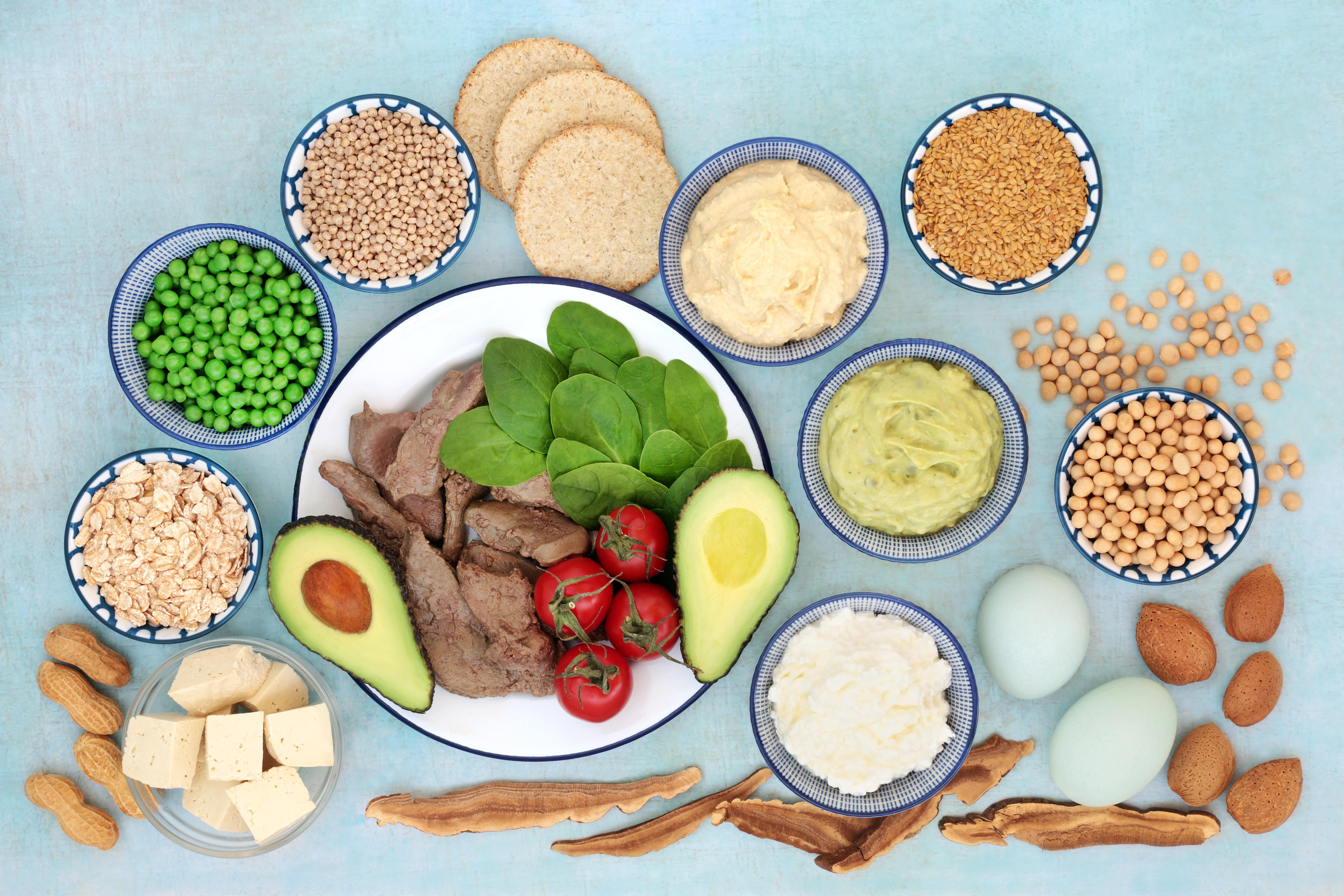
A balanced diet rich in fibre, plant compounds and microbiome-supporting foods may help support gut lining recovery after antibiotics.
Nutrition Plans
Nutrition plays an important role in microbiome growth and digestive recovery after illness or antibiotic treatment. Certain foods may help support beneficial bacteria, encourage healthy digestion and strengthen the gut lining over time.
Plant-based Food
Plant-based foods contain important nutrients and plant compounds that support microbial diversity within the gut microbiome. Eating a varied diet that includes fruits, vegetables, wholegrains, legumes and fermented foods may help encourage a healthier digestive environment during recovery.
Probiotic Foods
Probiotic foods contain live bacteria that may help support the immune system and restore beneficial microbes after antibiotics [9].
Fermented foods naturally contain probiotics and lactic acid bacteria that can contribute to gut microbiome balance. Examples include kefir, live yoghurt, sauerkraut and kimchi. These foods are produced through fermentation, providing live microbes that may support a healthy gut environment.
Some research suggests that probiotics may support natural defences, digestive comfort and recovery following antibiotic use [10]. However, responses can vary between individuals depending on their existing gut health and overall diet.
Prebiotic Foods
Prebiotic foods provide dietary fibre that feeds beneficial gut bacteria and supports short-chain fatty acid production.
Unlike probiotics, prebiotics are non-digestible fibre compounds that help fuel healthy microbes already living in the gut. Foods such as garlic, onions, oats and green bananas contain prebiotics, including resistant starch, which may support gut colonisation and microbe growth [11].
As beneficial bacteria ferment these fibres, they produce short-chain fatty acids that help support the gut lining and digestive health. Including a variety of fibre-rich foods within the diet may support longer-term microbiome recovery after antibiotics.
Nutritionist's Corner: Final Thoughts
“Recovery from food poisoning and antibiotic treatment can take time, as both the digestive system and gut microbiome may need support after illness. Hydration, rest, fermented foods, plant fibres and balanced nutrition may help support natural defences and digestive recovery. Current consensus supports the importance of personalised health advice, particularly for people experiencing ongoing digestive symptoms or repeated antibiotic exposure.”
Vivere helps you take control of your health with personalised insights from state-of-the-art gut microbiome testing, nutritional guidance, science-backed biohacking supplements, NAD+ supplementation and expert support. Sign up today and start living better, for longer.
Sources
[2] WHO ESTIMATES OF THE GLOBAL BURDEN OF FOODBORNE DISEASES - WHO
[5] Effects of antibiotics on human microbiota and subsequent disease - PubMed
[6] Shotgun metagenomics, from sampling to analysis | Nature Biotechnology
[7] Metagenomics: a path to understanding the gut microbiome - PMC
[8] Clinical metagenomics | Nature Reviews Genetics
[9] Effects of Probiotics on Gut Microbiota: An Overview - PMC
[10] Gut-microbiota-targeted diets modulate human immune status - PubMed
[11] Prebiotics: Definition, Types, Sources, Mechanisms, and Clinical Applications - PubMed
Author

Yusra Serdaroglu Aydin, MSc RD
Head of Nutrition and Registered Dietitian
Yusra is a nutritionist with a multidisciplinary background in nutrition, food engineering, and culinary arts. During her education, her curiosity abo...