Can the Gut-Brain Axis Influence the Risk of Developing Alzheimer’s?
Last Updated: 30 April 2026
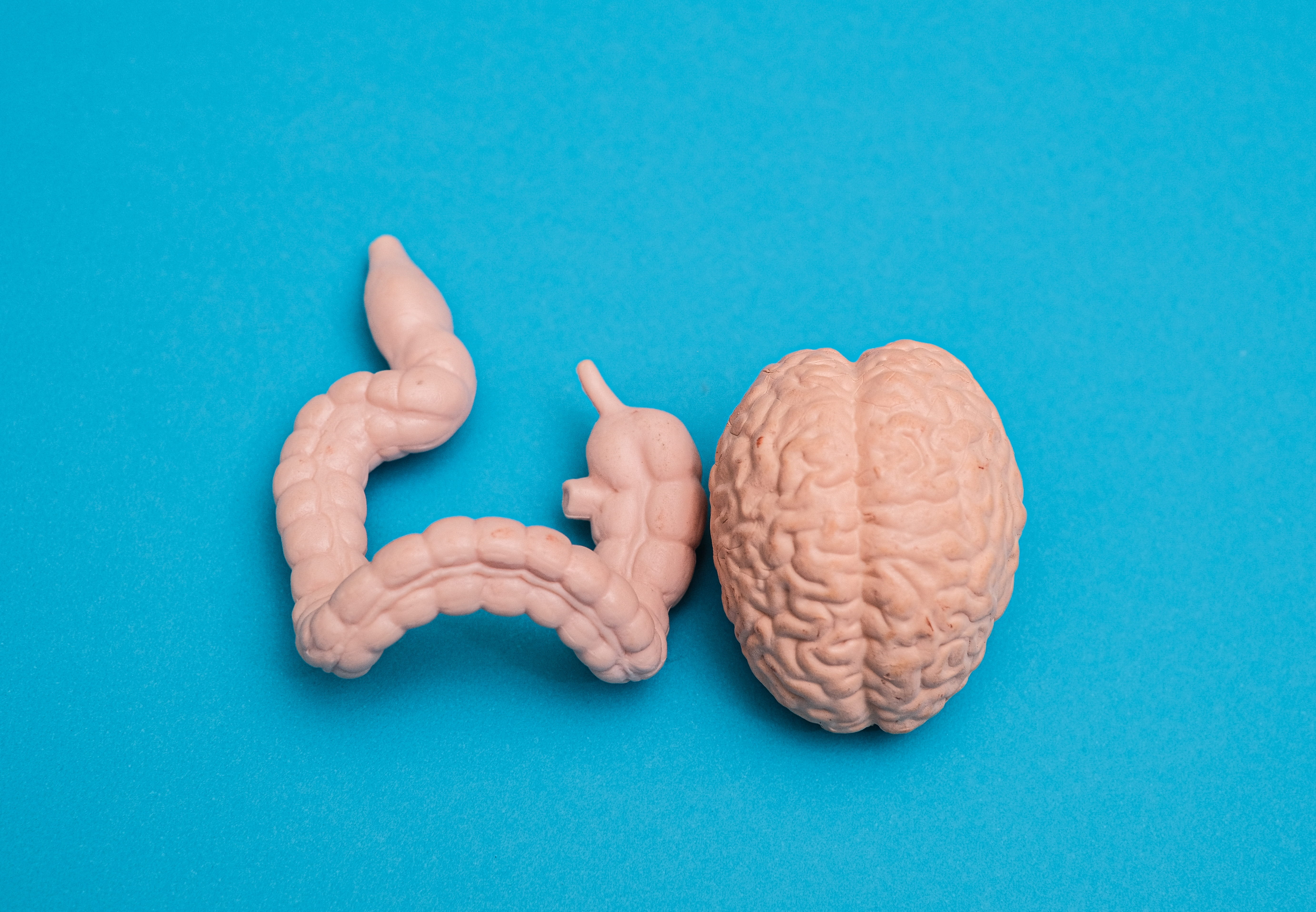
The question of whether the Gut-Brain Axis can influence the risk of developing Alzheimer’s Disease is gaining serious attention as scientists explore how gut health may shape long-term brain health and vulnerability to dementia.
The Gut-Brain Axis (GBA) describes the bidirectional communication between the gut microbiome and the brain, involving immune, hormonal and neural pathways, including the vagus nerve. Emerging evidence suggests this system may play a role in cognitive decline and neurodegeneration.
In the UK, research groups such as the UK Gut-Immunology-Brain Axis Network+ and institutions like the University of Cambridge and King’s College London are examining how microbial diversity and gut-derived inflammation may influence Alzheimer’s Disease (AD) and other forms of dementia. This area is highlighted by national research initiatives linked to organisations such as the GIBA-UK network [1].
The insights provided in this article are shared by Vivere’s Head of Nutrition, Yusra Serdaroglu Aydin, a registered dietitian with a background in nutrition, food engineering and culinary arts, whose approach is grounded in science and shaped by a strong understanding of personalised nutrition and the human microbiome as they relate to brain ageing and cognitive health.
In One Sentence:
"Yes, growing evidence suggests that disruptions in the Gut-Brain Axis and gut microbiome may influence inflammation, brain pathology and the risk of developing Alzheimer’s Disease".
Key Takeaways
Can your gut health predict your memory’s future? Emerging research suggests that changes in the gut microbiome may appear years before cognitive decline becomes noticeable.
How does the gut talk to the brain? The gut and brain communicate constantly through immune signals, microbial metabolites and the vagus nerve.
What is the "Leaky Gut, Leaky Brain" theory? Increased intestinal permeability may allow inflammatory compounds to reach the brain and contribute to neuroinflammation.
Can diet change my risk? Dietary patterns that support microbial diversity and reduce inflammation may help protect long-term brain health.
Is personalised nutrition the future? Individual gut profiles are shaping new and personalised approaches to dementia prevention and care.
The Biological Connection: How "Leaky Gut" Becomes "Leaky Brain"
The "Leaky Gut, Leaky Brain" hypothesis proposes that increased intestinal permeability can trigger neuroinflammation and contribute to Alzheimer’s pathology.
When intestinal permeability, often referred to as leaky gut, increases, bacterial endotoxins such as lipopolysaccharides (LPS) can enter circulation and activate the innate immune system. These endotoxins, commonly produced by bacteria such as E. coli and Salmonella, stimulate pro-inflammatory cytokines that may cross or disrupt the blood-brain barrier.
Once in the brain, these inflammatory signals can activate microglia, the brain’s immune cells, leading to chronic inflammation and contributing to the formation of amyloid-beta plaques associated with Alzheimer’s Disease.
Research also points to molecular mimicry and cross-seeding, where bacterial amyloids structurally resemble human amyloid proteins and may accelerate plaque formation. Over time, this chronic inflammation may drive neurodegeneration and cognitive decline, linking gut health directly to brain pathology [2].

The Bacterial Signature
Distinct gut bacterial patterns appear to influence brain health through their impact on inflammation, neurotransmitters and neurogenesis.
Studies have shown that beneficial bacteria such as Bifidobacterium and certain Firmicutes support the production of short-chain fatty acids (SCFAs), particularly butyrate, which helps maintain gut barrier integrity and reduces systemic inflammation. In contrast, too many Proteobacteria and imbalances between Firmicutes and Bacteroidetes have been associated with inflammation and cognitive impairment.
Research suggests that SCFAs may support hippocampal neurogenesis and influence neurotransmitter systems such as serotonin (5-HT) and dopamine through tryptophan metabolism. These neurotransmitter precursors are partly regulated by enteroendocrine cells in the gut, highlighting how microbial diversity can shape processes relevant to Alzheimer’s risk [3].
Actionable Steps: The "MIND" Diet and Beyond
Dietary patterns that support gut health and reduce inflammation may help protect the brain through the Gut-Brain Axis.
The MIND Diet, which combines elements of the Mediterranean and DASH diets, has been associated with slower cognitive decline and reduced Alzheimer’s risk by emphasising foods rich in polyphenols and dietary fibre. Foods such as oats and walnuts support the enteric nervous system (ENS) by feeding beneficial microbes, while prebiotics encourage SCFA production. Fermented foods like kefir and sauerkraut may enhance microbial diversity, while attention to the oral microbiome is increasingly important [4].
Gum disease, or periodontitis, linked to bacteria such as Porphyromonas gingivalis, has been associated with Alzheimer’s, reinforcing guidance from Alzheimer’s Research UK on whole diet and oral health approaches. Together, these strategies may help maintain blood-brain barrier integrity and reduce inflammatory signalling to the brain [5].
Future Outlook: Probiotics and Personalised Medicine
Future strategies for reducing Alzheimer’s risk may centre on personalised gut interventions and targeted microbial therapies.
Psychobiotics, including specific Lactobacillus strains, are being explored in clinical trials for their ability to influence mood, cognition and inflammation via the Gut-Brain Axis. More advanced approaches, such as Faecal Microbiota Transplantation (FMT), are under investigation, although these remain experimental and tightly regulated [6].
UK-based research, including the Ageing-GB Study and work from the UK Dementia Research Institute, is integrating microbiome sequencing, precision nutrition and NHS guidelines to develop personalised approaches. Dietary interventions, such as modified Mediterranean ketogenic patterns, have shown promise in altering lipid and inflammatory profiles linked to Alzheimer’s pathology, suggesting that future therapeutic interventions may be tailored to individual gut signatures [7] [8].
Nutritionist's Corner: Final Thoughts
“Supporting gut maintenance through consistent dietary and lifestyle choices may be one of the most practical ways to influence long-term brain health. Behavioural change that prioritises whole foods, an anti-inflammatory diet and lifestyle medicine principles can support vagus nerve stimulation through dietary pathways and promote resilience within the Gut-Brain Axis. While no single strategy can prevent Alzheimer’s Disease, nurturing the gut microbiome with personalised nutrition offers a meaningful and evidence-informed approach to protecting cognitive health across the lifespan.”
"The link between the Gut-Brain Axis and Alzheimer’s is a rapidly growing area of research, but the evidence is still largely emerging. As with many elements of nutrition research, there is a lack of definitive, large-scale human data to confirm a direct causal relationship.
Early findings are compelling and may suggest that gut health, inflammation and microbial balance could play a meaningful role in brain ageing and Alzheimer’s risk. At the route of the recommendations is the advice to eat a varied, nutritious diet based on whole, minimally processed foods with an abundance if plant-bsed ingredients."
Vivere helps you take control of your health with personalised insights from state-of-the-art gut microbiome testing, nutritional guidance, science-backed supplements, NAD injections and expert support. Sign up today and start living better, for longer.
Sources
[1] Giba Network Uk
[2] Microbial Sources of Amyloid and Relevance to Amyloidogenesis and Alzheimer’s Disease (AD) - PMC
[5] Bacteria behind gum disease linked to Alzheimer’s - Alzheimer's Research UK
[6] Psychobiotics at the Frontiers of Neurodegenerative and Neuropsychiatric Research - PubMed
Author

Yusra Serdaroglu Aydin, MSc RD
Head of Nutrition and Registered Dietitian
Yusra is a nutritionist with a multidisciplinary background in nutrition, food engineering, and culinary arts. During her education, her curiosity abo...
Peer Reviewed by

Emily Stuart, RD
Dietitian
Emily is a Registered Dietitian, health writer, and professional chef with a unique blend of clinical, culinary, and communication expertise. She has...