Gut Microbiome Tests vs. Food Intolerance Tests vs. Breath Tests
Last Updated: 25 June 2026
When you constantly feel bloated, tired, or sick after eating, finding the exact cause can feel like an impossible puzzle. You know something is wrong with your digestion, but looking online for a solution brings up dozens of different testing options. Should you check your blood for food allergies, breathe into a bag, or send off a stool sample? Understanding the exact scientific differences between these popular tests is the only way to stop wasting money and finally fix your stomach.
In One Sentence
A gut microbiome test maps the bacteria in your stomach to fix dysbiosis, a breath test checks for displaced bacteria causing excess gas, and a food intolerance test measures immune reactions, meaning each test solves a completely different digestive puzzle.
Key Takeaways
Do I need a food intolerance test or a microbiome test? If you want to find the root cause of why you cannot digest certain foods properly, a microbiome test is the most accurate option.
What is the difference between an allergy and an intolerance? A true food allergy is an immediate, dangerous immune reaction, while a food sensitivity or intolerance is usually a delayed digestive reaction.
What is a breath test used for? Doctors often use breath tests to help assess for SIBO, a condition in which excess bacteria are present in the small intestine.
Is a gut microbiome test the same as a food intolerance test?
A gut microbiome test analyses the DNA of the microorganisms in your digestive tract to assess dysbiosis, whereas a food intolerance test measures your immune system's IgG/IgE antibody response to specific food proteins. They serve completely different purposes when investigating your digestive health.
When you take a stool test using Shotgun Metagenomics, the laboratory looks at the actual living environment inside your stomach. It maps the good bacteria that help you digest your meals and spots the bad bacteria that cause excess gas and pain. It helps you understand why your body is struggling to process the foods you eat.
On the other hand, food intolerance and allergy tests usually require a blood sample. They do not look at your digestion at all. Instead, they look at your immune system to see if your body treats specific foods as a threat. Understanding the difference between food sensitivities and allergies is vital for choosing the right path forward.
What does an IgG food intolerance test actually measure?
An IgG food intolerance test measures your blood for immunoglobulin G antibodies against specific foods. However, leading UK health bodies warn that these tests lack scientific evidence, as producing IgG antibodies is a normal immune response that simply shows your body recognises foods you eat regularly.
Many people buy IgG tests hoping to find out why bread or milk makes them bloated. When the results arrive, they are often told to stop eating dozens of healthy foods.
According to the British Dietetic Association, these tests are highly unreliable [1]. Instead of cutting out foods based on an IgG test, it is much safer to test your microbiome to see if you have any imbalances making you struggle processing those foods.
How do hydrogen and methane breath tests diagnose SIBO?
Hydrogen and methane breath tests diagnose Small Intestinal Bacterial Overgrowth (SIBO) by measuring the specific gases produced when displaced bacteria ferment a sugary drink inside your small intestine. Elevated gas levels indicate that microbes are living and fermenting food in the wrong part of your digestive tract.
Your stomach and small intestine normally contain far fewer bacteria than your large intestine. In SIBO, there is an excess of bacteria in the small intestine, which can interfere with digestion and lead to symptoms such as bloating, abdominal discomfort, and changes in bowel habits.
If your doctor suspects SIBO, you may be asked to drink a sugar solution and then breathe into a tube at regular intervals over a few hours. The test measures hydrogen and methane in your breath, which can help assess whether excess bacteria in the small intestine may be fermenting the sugar earlier than expected.
Which digestive health test do I actually need?
You need a gut microbiome test to resolve the root causes of dysbiosis, altered bowel movements. and chronic bloating, a breath test if a doctor suspects SIBO, and a medical IgE blood test if you experience immediate, severe immune reactions that suggest a true food allergy.
If you eat a peanut and your face immediately swells up, you have an IgE-mediated food allergy. You must see a medical doctor for this.
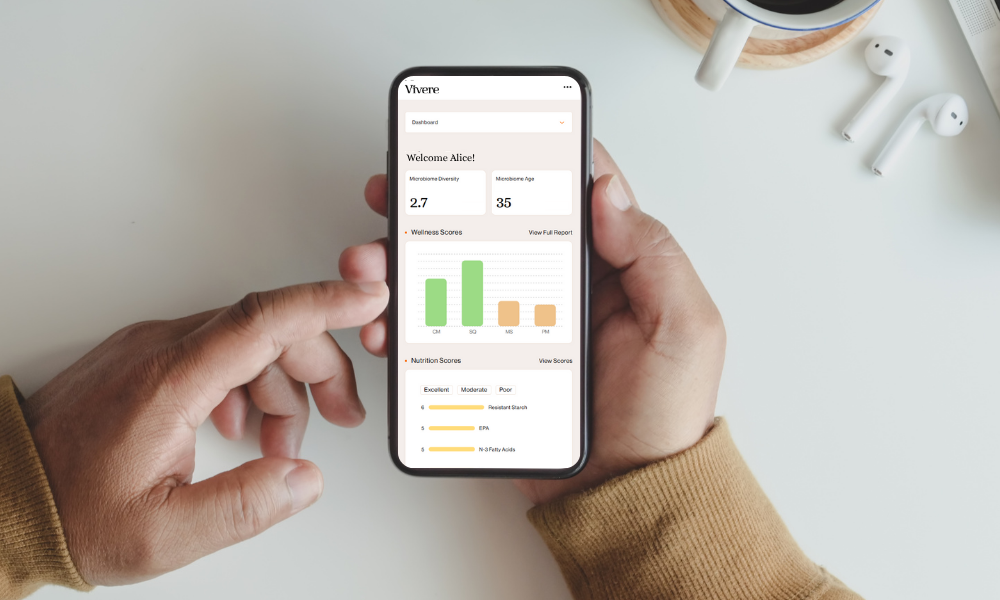
However, if you simply feel sluggish, gassy, and bloated after a big meal, you are likely suffering from a microbiome imbalance. This is where Vivere comes in. Instead of giving you a confusing list of foods to avoid forever, our advanced gut test uses artificial intelligence to rate over 300 foods based on your unique bacterial DNA. Then, a nutritionist will help you build a varied, easy to follow diet that gently supports your digestive system.
Frequently Asked Questions
Can a stool test detect food allergies?
No, a stool test cannot detect immune system allergies. If you suspect a severe allergy, you must speak to your GP to arrange an IgE blood test or a skin prick test.
Are home hair tests for food intolerances accurate?
No. Sending a lock of your hair to a laboratory to test for food intolerances has no scientific basis. It cannot tell you what is happening inside your digestive system.
Will fixing my gut bacteria cure my food sensitivities?
Improving gut health may help reduce digestive symptoms and support better tolerance to certain foods.
Nutritionist's Corner: Final Thoughts
“There is a great deal of confusion in the UK wellness market around food intolerance testing. I often see clients who have unnecessarily restricted their diets based on unproven IgG blood tests, which may reflect normal immune exposure rather than true intolerance. If you are struggling with food-related symptoms, the cause may lie in how your gut processes certain foods, rather than the foods themselves. By using shotgun metagenomics to map the gut microbiome, we can gather more detailed information and use targeted nutrition to support digestive function, rather than simply removing healthy foods from the diet.”
Sources
Author

Yusra Serdaroglu Aydin, MSc RD
Head of Nutrition and Registered Dietitian
Yusra is a nutritionist with a multidisciplinary background in nutrition, food engineering, and culinary arts. During her education, her curiosity abo...