The Gut-Skin Axis: Testing for Eczema, Acne, and Rosacea
Last Updated: 25 June 2026
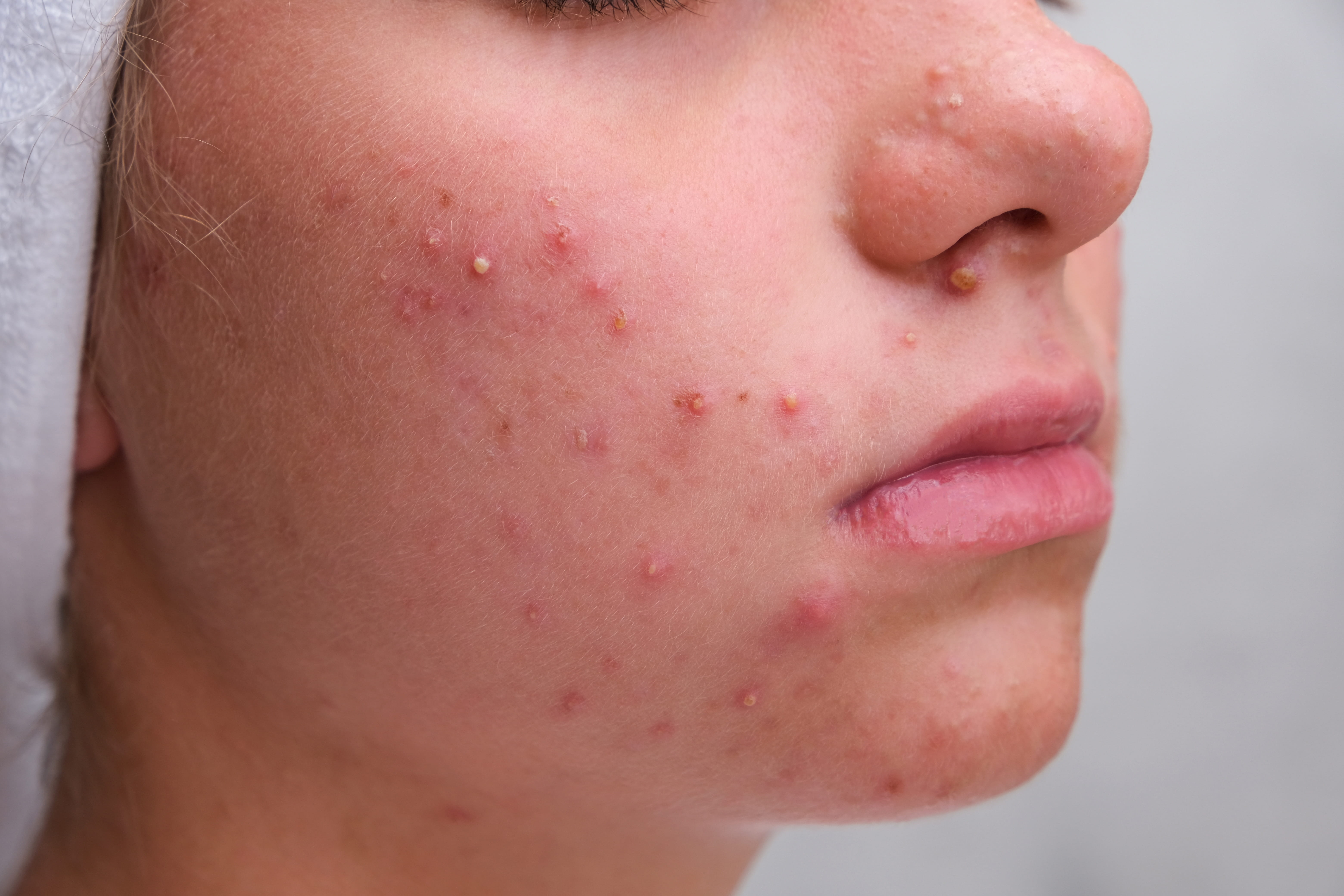
Having skin problems can be very upsetting. You might have tried every cream, wash and lotion available to fix your spots or red patches. Often, the real reason your skin is unhappy is not on the outside of your body. The secret to clear skin usually starts deep inside your stomach.
In One Sentence
A gut health test checks the bacteria in your stomach to find hidden problems that may cause skin issues like acne, eczema and rosacea.
Key Takeaways
How are my stomach and skin connected? Your stomach and skin talk to each other through the gut-skin axis, meaning a happy stomach leads to clear and healthy skin.
Can bad bacteria cause spots and redness? Yes, imbalances in the gut microbiome may contribute to inflammation in the body, which can be associated with skin issues such as spots and redness.
How do I fix my skin from the inside? A gut test may help guide food choices that support your gut and skin health.
How does gut flora affect the skin?
Gut flora affects the skin through the gut-skin axis, where an imbalance in your stomach bacteria may trigger systemic inflammation that can manifest as acne, eczema, or rosacea. When your digestive system is struggling, your body sends warning signs straight to your face and body.
Your skin is your body's largest organ. It acts like a mirror showing what is happening inside you. If your gut flora is out of balance, your skin will often become red, dry, or spotty.
What exactly is the gut-skin axis?
The gut-skin axis is the constant, two-way communication pathway between the microbes living inside your digestive tract and the health of your skin. These two areas talk to each other using special chemicals, hormones and your immune system to keep your whole body healthy.
Studies show that people with acne are 54% more likely to also have stomach problems[1]. This proves just how closely connected they really are.
Can leaky gut cause acne and eczema?
A leaky gut, also known as intestinal permeability, may be linked to acne and eczema by allowing more substances to pass through the intestinal barrier than usual. This may contribute to systemic inflammation, which can affect the skin in some people.
Normally, your stomach lining is like a tight net. It keeps unwanted substances inside and only lets good nutrients through. When you have a leaky gut, holes form in the net and more substances may pass through than usual.
This may contribute to inflammation, which could be associated with skin symptoms in some people, including redness, irritation, or flare-ups.
Which bad bacteria trigger skin problems like rosacea?
Staphylococcus aureus is a type of bacteria that can contribute to skin problems such as eczema when it grows in higher-than-normal amounts, particularly on the skin. These bacteria are not always harmful, but in some situations they can contribute to irritation, redness, and inflammation.
Many people carry Staphylococcus aureus without any symptoms. Problems may arise when the balance of microbes on the skin is disrupted and this bacterium begins to behave more like an opportunistic pathogen.
People with rosacea often have an imbalance of gut bacteria that makes their skin flush and turn bright red.
People with eczema often have too much Staphylococcus aureus on their skin and in their bodies [2].
How does a gut microbiome test help clear your skin?
A gut microbiome test may help clear your skin by using advanced DNA science to find potential gut imbalances that may cause your breakouts. This information allows you to get a specific, healthy food plan to heal your body from the inside out.
Guessing which foods are causing your skin problems can take years. A test does the hard work for you.
At Vivere, we use a special testing method called Shotgun Metagenomic Sequencing. This looks at all the DNA in your sample. It tells us exactly what is living in your stomach. Once we have your results, a nutritionist will help you build an easy to follow plan. You will learn exactly which foods will feed your good bacteria and calm your skin.
Frequently Asked Questions
How long does it take to see skin changes after fixing my gut?
It varies from person to person, but some people may notice changes within a few weeks, while for others it can take a few months. Skin improvement takes time, and factors such as diet, lifestyle, existing skin condition, and overall health can all play a role.
Is rosacea always caused by the stomach?
Not always, but there is a very strong link. Many people with rosacea find that their redness improves when their digestive system is at a better state.
Does sugar cause acne?
Yes, eating too much sugar feeds the bad bacteria in your stomach. This may increase inflammation and make breakouts worse.
Nutritionist's Corner: Final Thoughts
"When you are struggling with persistent skin conditions like acne, eczema, or rosacea, focusing only on the surface may not always be enough. Skin health can be influenced by internal factors, including the gut-skin axis. By taking an advanced gut microbiome test, we can look for microbiome patterns that may be linked to inflammation and gut imbalance. This information can then be used to guide a personalised nutrition plan to support gut health and help improve skin problems."
Sources
Author

Yusra Serdaroglu Aydin, MSc RD
Head of Nutrition and Registered Dietitian
Yusra is a nutritionist with a multidisciplinary background in nutrition, food engineering, and culinary arts. During her education, her curiosity abo...