Travel, Toxins, and Food Poisoning: Testing for Parasites and Pathogens
Last Updated: 25 September 2026
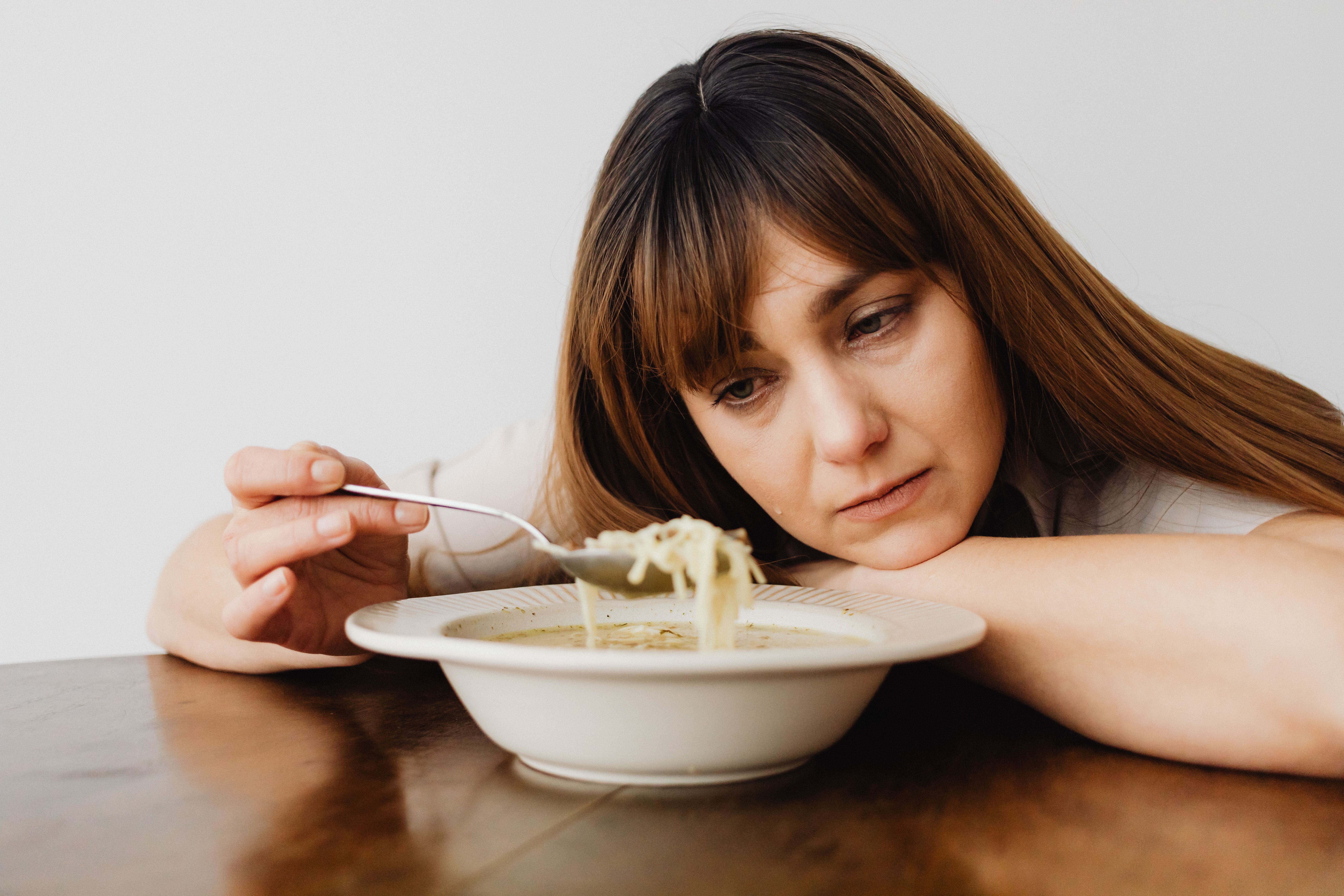
Have you ever come back from a holiday abroad, but your stomach never truly settled afterwards? Many people experience a bad bout of sickness while travelling, maybe from an ice cube or undercooked meat. You might assume the bacteria is completely gone once the initial sickness stops. However, if you are still feeling bloated, exhausted, or running to the toilet months later, it may be worth considering whether an infection or post-infectious gut changes are still playing a role.
In One Sentence
A microbial DNA gut test may help detect certain parasites or harmful bacteria after food poisoning, which can sometimes provide useful information when ongoing digestive symptoms do not improve.
Key Takeaways
Can gut bacteria from years ago still make me sick today? Yes. In some cases, an infection or the effects it triggered may continue to affect digestion for a long time after the original illness.
Why did my doctor not find anything wrong? Standard medical tests may not always detect every possible cause of ongoing digestive symptoms, especially if the infection has already passed or symptoms are due to post-infectious changes.
What should I do? Once the test results are ready, a nutritionist can give you a clear plan using specific foods to naturally balance your gut ecosystem.
Can a gut microbiome test detect parasites from food poisoning?
A high-quality gut microbiome test using Shotgun Metagenomic Sequencing may detect DNA from some parasites, fungi, and harmful bacteria after food poisoning or traveller's diarrhoea, helping find the root cause of your ongoing stomach pain.
Older testing methods, like 16S sequencing or PCR, only look at a small part of the picture. They may miss organisms that are not well captured by that method.
At Vivere, we use Shotgun Metagenomic Sequencing. This method looks more broadly at microbial DNA in the sample. It can provide more detailed information about what may be present in the gut. This may help give a clearer picture of why symptoms are continuing.
What is post-infectious IBS, and how does it happen?
Post-infectious IBS is a digestive condition that can develop after a stomach infection. It is thought to happen when the infection leads to longer-lasting changes in gut function, gut sensitivity, and sometimes the gut microbiome, causing symptoms such as bloating, pain, or altered bowel habits after the original infection has cleared [1].
When you get severe food poisoning, your body mounts an immune response to fight the infection.
Even after the infection has gone, the gut may take time to recover. The nerves in the intestines can become more sensitive. At the same time, the balance of gut bacteria may change. This combination can mean that normal foods trigger more bloating, discomfort, or pain than before. This is a real physical condition that often requires careful support over time.
Which common bacteria cause severe traveller's diarrhoea?
The most common bacteria that cause painful traveller's diarrhoea include bacterial infections like Salmonella and Campylobacter jejuni, as well as stubborn waterborne parasites like Giardia intestinalis. Some infections clear fully, but others may last longer or contribute to ongoing digestive symptoms.
When you travel, you are exposed to local water and food that your body is not used to. Here are the most common culprits that cause damage:
Salmonella: Usually found in raw eggs or undercooked poultry. It causes severe cramps and fever.
Campylobacter jejuni: Often linked with contaminated food or water. It aggressively attacks the lining of your intestines.
Giardia intestinalis: A microscopic parasite often linked with untreated water. It can interfere with absorption and cause bloating, diarrhoea, and fatigue.
If your stomach has not felt right since a trip abroad, testing may be a helpful next step.
How does pathogenic overgrowth stop your stomach from healing?
Pathogenic overgrowth may make it harder for the gut to recover because harmful organisms can continue to irritate the gut lining, affect digestion, and contribute to inflammation or ongoing symptoms.
Imagine trying to grow a healthy garden when the soil is already crowded. The plants you want to grow may struggle because the environment is not balanced.
In your gut, these unwanted organisms may take up space and affect the wider gut environment. They can contribute to gas, bloating, and discomfort. To support recovery, it helps to identify whether a specific infection or imbalance is still present, so the next steps are based on clearer information rather than guesswork.
Frequently Asked Questions
How long can a parasite live in my stomach if left untreated?
Some intestinal parasites can remain in the digestive tract for a long time if they are not identified and treated, although this depends on the specific organism.
Will a normal hospital stool sample find these bad bacteria?
Standard medical stool tests are very useful for acute emergencies, but they are usually designed to look for specific organisms rather than every possible microbe. Broader DNA-based testing may provide additional information in some cases.
Can I starve the bad bacteria by just not eating sugar?
While cutting down on sugar is very helpful, many stubborn parasites and strong pathogens require a highly specific, targeted plan to fully remove them from your body.
Nutritionist's Corner: Final Thoughts
"I frequently meet clients who tell me their health has never been the same since a specific holiday to Bali a year ago. They are often dealing with ongoing digestive symptoms after an infection, sometimes described as post-infectious IBS. Standard tests may come back clear, which can leave them feeling frustrated. This is where broader testing may sometimes add useful information. Older methods may miss some organisms or provide a more limited picture. By looking more broadly at microbial DNA in the gut, we may be able to identify patterns that help explain ongoing symptoms. Once we have that information, we can build a clinical nutrition plan to support recovery and help support gut function."
Sources
Further Reading
Author

Yusra Serdaroglu Aydin, MSc RD
Head of Nutrition and Registered Dietitian
Yusra is a nutritionist with a multidisciplinary background in nutrition, food engineering, and culinary arts. During her education, her curiosity abo...