Gut Test Suppliers Compared - Vivere, Zoe, HealthPath & Randox
Last Updated: 19 June 2026

Gut health testing has become increasingly popular across the United Kingdom wellness market as more people look for ways to improve preventive health, metabolic health and longevity through personalised nutrition.
From advanced microbiome testing to blood sugar sensors and dietary optimisation tools, brands such as Vivere, Zoe and Healthpath all offer different approaches to understanding the gut microbiome. This guide compares the technologies, pricing models and clinical focus of each provider to help you decide which gut health test best suits your needs.
The insights provided in this article are informed by Vivere’s Head of Nutrition, Yusra Serdaroglu Aydin, a registered dietitian with a background in nutrition, food engineering and culinary arts. Her approach is grounded in science and shaped by a strong understanding of personalised nutrition and the human microbiome.
In One Sentence
The best gut health test depends on whether you want advanced microbiome analysis, clinical diagnostics, personalised nutrition support or a simple entry level overview of your gut health.
Key Takeaways
What testing method is considered the best?
Shotgun metagenomics is generally considered one of the most detailed methods because it analyses a broader microbial DNA profile.
When is a clinically focused test recommended?
If you have ongoing, severe or recurrent digestive symptoms, or if a healthcare professional suspects parasites, active infections or pathogenic bacteria, a clinically focused provider with targeted qPCR or PCR may be more appropriate than a wellness-focused platform.
Are subscription models cost effective?
Subscription models can become expensive over time, especially when paired with health applications, food tracking tools and ongoing blood sugar monitoring.
How do human consultations compare to AI?
Human nutritionist consultations can provide more practical support than artificial intelligence reports alone because they help translate microbiome data into realistic dietary and lifestyle changes.
What is the difference between one off payments and subscriptions?
One off pricing may suit people looking for a straightforward health snapshot, while subscription services are often designed for long term habit tracking and behavioural support.
How do the gut testing technologies actually compare?
Different gut testing providers use different forms of DNA sequencing and laboratory analysis to assess microbial DNA within stool samples.
The technology behind a gut microbiome test matters because it determines how much detail the report can provide about bacterial diversity, specific bacterial strains and overall gut function. The three main technologies currently used are 16S rRNA sequencing, Shotgun Metagenomics and qPCR.
16S rRNA Sequencing
16S rRNA, also known as Ribosomal RNA sequencing, focuses on specific marker genes within bacterial populations. This method identifies broad bacterial categories by analysing segments of the genetic sequence shared between different microbes.
The main advantage of 16S sequencing technology is affordability. It allows providers to deliver basic microbiome reports at a lower cost. However, it may not always identify microbes at strain level, which limits precision when assessing microbial imbalances or subtle gut health patterns.
Shotgun Metagenomics
Shotgun Metagenomics analyses all microbial DNA within a sample rather than selected marker genes alone.
This approach provides significantly more detailed information about the gut microbiome, including fungal organisms, viruses, microbial pathways and strain-level bacterial identification. It can also identify microbial genes and pathways that may be linked to nutrient metabolism and digestive function. Because it sequences the complete genetic material within the sample, it is widely considered one of the most advanced clinical diagnostic tools currently available for microbiome testing.
qPCR Testing
qPCR, or Quantitative Polymerase Chain Reaction, uses targeted testing to detect specific pathogens and microbes.
This technology is commonly used to identify pathogens, parasites and clinically relevant bacterial strains linked to active digestive symptoms. While qPCR does not provide a broad microbiome overview, it can offer very high sensitivity for detecting targeted organisms.
Brand Comparisons: Which gut test is right for your needs?
Different providers focus on different outcomes, ranging from biohacking and wellness optimisation to clinical investigation of chronic symptoms.
Vivere Gut Health Test: Is it the best all-rounder?
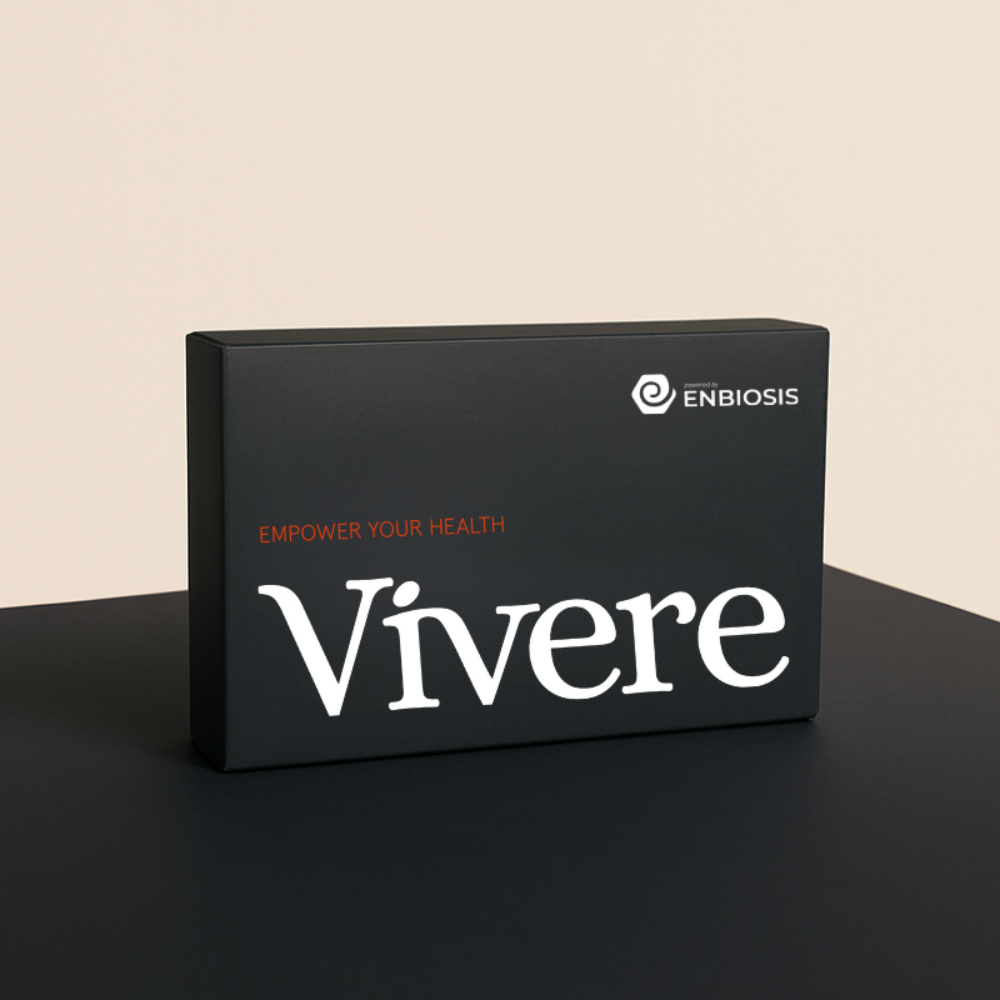
Vivere is a personalised wellness platform that combines microbiome science with expert human support.
Unlike many wellness-only platforms, Vivere’s gut health test combines gut microbiome analysis with access to a human nutrition expert and actionable health plans tailored to the individual.
The inclusion of dietary interventions and personalised wellness protocols may appeal to users who want more than raw data. Instead of relying solely on automated reports, Vivere also provides professional support to help interpret results and create sustainable changes. This can be particularly useful for people who struggle to translate microbiome insights into daily habits.
Another advantage is the focus on private clinic care standards within a wellness setting. Rather than offering generic food recommendations alone, the platform aims to provide structured guidance linked to digestion, energy levels and long term health optimisation.
Zoe Nutrition App: Is the tech giant still worth the subscription?
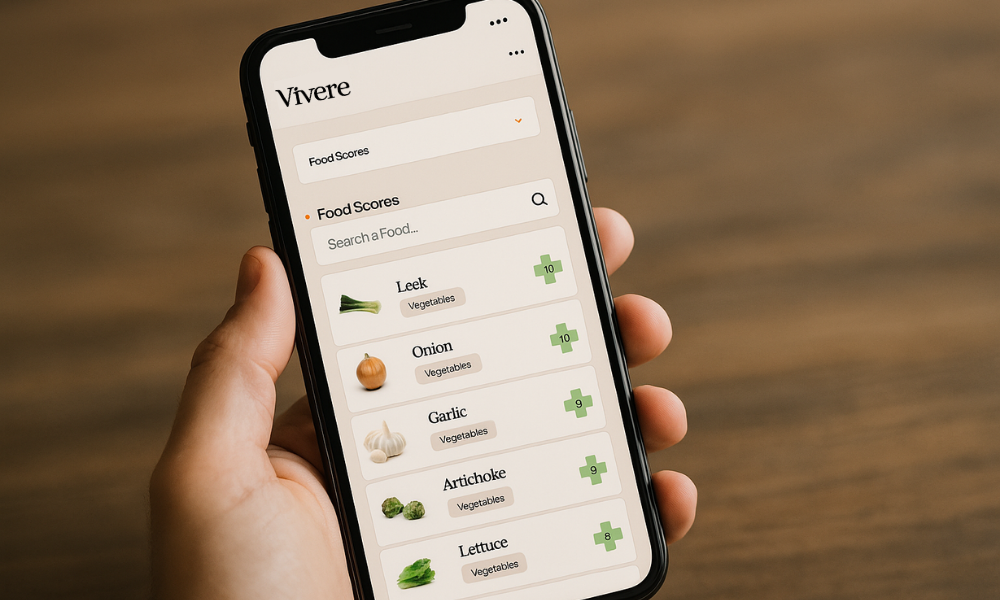
The Zoe app has become one of the most recognisable names in consumer gut health testing and personalised nutrition.
Zoe previously combined microbiome testing with blood sugar response data collected while users wore Continuous Glucose Monitors (CGMs). Its current platform is heavily app-driven and designed around personalised nutrition insights, behavioural tracking and food scoring.
Many users appreciate the user interface (UI) and the integration of food tracking into everyday life. The app encourages users to improve dietary habits through meal scoring systems and personalised nutritional feedback.
However, some people may find the software subscription lock in less appealing. While the initial testing process is comprehensive, long term costs can rise due to ongoing membership fees.
Healthpath: Should you choose it for symptom-led testing?
Healthpath provides at-home gut health testing with a focus on symptom-led insights and practitioner-reviewed reports.
Healthpath also includes tests related to Small Intestinal Bacterial Overgrowth (SIBO) and food sensitivity, which may appeal to people looking to explore multiple gut-related factors. These tests are not intended to diagnose medical conditions, but they may help users better understand patterns in their results and identify areas for further discussion or action.
The reports are designed to provide interpretation and suggested next steps, although the level of support and personalisation may depend on the package selected.
Randox: Is a budget test a good idea?
Randox offers a more affordable entry point into microbiome and preventive screening services.
As a budget health check provider, Randox tends to focus on entry level testing and basic microbiome profiling rather than highly personalised interventions. The company commonly uses 16s rRNA sequencing technology for bacterial categorisation and general gut health screening.
This type of testing may be suitable for people who simply want a broad overview of their microbiome without extensive coaching or long term subscriptions. It can also act as an introduction to preventive screening for people new to gut health optimisation.
However, lower cost testing often comes with less sequencing depth and fewer personalised recommendations. Users seeking advanced microbiome analysis or detailed nutritional guidance may find the results more limited.
Gut Health Test Providers at a Glance
The main differences between providers usually come down to pricing models, sequencing depth and the balance between clinical support and wellness coaching.
Artificial intelligence support versus human intervention is another important consideration. Many platforms now generate automated reports, but human consultations may still offer more practical behavioural support and clearer interpretation of complex microbiome data.
Frequently Asked Questions
Is Shotgun sequencing better than 16S testing?
Shotgun sequencing provides higher resolution data than 16S testing because it analyses the complete microbial DNA within a microbiome sample.
Unlike microbial marker genes used in 16S methods, Shotgun Metagenomics can assess microbial genes and pathways linked to functions such as nutrient metabolism, and may provide strain-level insights. This allows for a more detailed microbiome breakdown and may improve the accuracy of personalised recommendations.
However, this approach is also more expensive and generates significantly larger datasets, which require more advanced analysis and interpretation.
Can these wellness tests diagnose SIBO or IBS?
Wellness gut tests cannot officially diagnose SIBO or clinical IBS because these conditions require formal medical assessment.
Many microbiome reports can identify dysbiosis, microbial imbalance and signs associated with gut inflammation, but they should not replace professional medical evaluation. Symptoms such as persistent bloating, abdominal pain or chronic diarrhoea should always be assessed by a qualified healthcare professional.
Why does Vivere include a nutritionist consultation?
Vivere includes a nutritionist consultation because microbiome reports can be difficult for many people to understand and apply without professional guidance.
While artificial intelligence generated reports can provide useful insights, human behavioural change usually requires more personalised support. Nutrition experts can help explain microbiome results, recommend personalised nutrition and lifestyle strategies and turn complex data into realistic daily habits.
This approach may improve long term adherence because users receive actionable nutrition protocols that fit their lifestyle, preferences and health goals.
Nutritionist's Corner: Final Thoughts
“Gut microbiome testing should be viewed as a tool for better understanding long term health patterns rather than a quick fix. The most valuable services are those that combine reliable sequencing technology with actionable health roadmaps, evidence-informed recommendations and meaningful professional support. Whether your goal is metabolic health optimisation, symptom management or preventative wellness, the quality of interpretation matters just as much as the raw data itself. A test that provides clear guidance, realistic recommendations and sustainable lifestyle strategies is often more useful than one that simply produces large amounts of technical information.”
Vivere helps you take control of your health with personalised insights from state-of-the-art gut microbiome testing, nutritional guidance, science-backed biohacking supplements, NAD+ supplementation and expert support. Sign up today and start living better, for longer.
Author

Yusra Serdaroglu Aydin, MSc RD
Head of Nutrition and Registered Dietitian
Yusra is a nutritionist with a multidisciplinary background in nutrition, food engineering, and culinary arts. During her education, her curiosity abo...