A Beginner's Guide to Tongue Scrapers
Last Updated: 25 June 2026
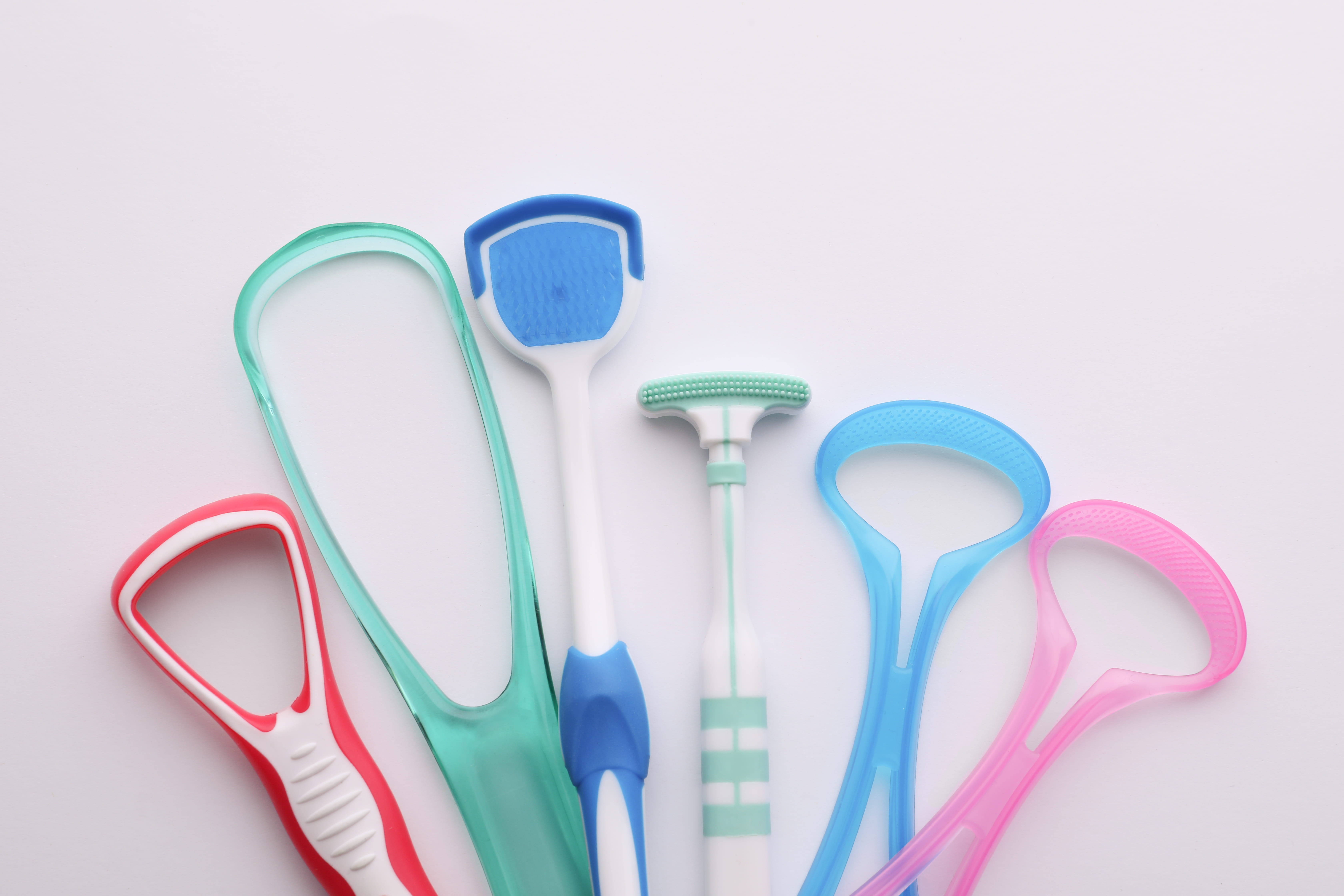
Maintaining a clean tongue is an essential part of a comprehensive oral hygiene routine. The tongue’s surface, particularly the filiform papillae, can trap tongue coating, food particles and bacteria that contribute to bad breath and other oral health issues. Incorporating tongue cleaning into your daily dental health routine can enhance oral hygiene and support overall well-being.
The insights in this article are provided by Vivere’s Head of Nutrition, Yusra Serdaroglu Aydin, a registered dietitian with a background in nutrition, food engineering and culinary arts. Her approach is grounded in science and shaped by a strong understanding of personalised nutrition and the human microbiome.
Key Takeaways
What are the benefits of tongue scraping? Regular scraping improves taste perception by stimulating taste buds and supports gut health and digestion by reducing bacterial load in the oral cavity [1].
Which materials are most effective for a scraper? Stainless steel, copper and plastic are all viable options depending on personal preference and ease of cleaning.
Can tongue scraping reduce unpleasant odours? Yes, it helps remove sulfur gases that contribute to bad breath.
How often should tongue scraping be done? It can be incorporated into a daily oral hygiene routine without risk when done gently.
Is tongue scraping part of a broader oral care strategy? Yes, it complements brushing, flossing and other dental hygiene practices to maintain a healthy oral microbiome.
In One Sentence:
Tongue scraping is a simple, safe and effective way to remove bacterial debris and biofilm, improve taste perception and support oral and gut health.
What is a tongue scraper?
A tongue scraper is an oral hygiene device designed to remove microorganisms and debris from the tongue’s surface.
Typically U-shaped, the device works differently from a toothbrush, which primarily targets the tooth surfaces and gum lines. Tongue scraping effectively reduces anaerobic bacteria, mutans streptococci and other microorganisms that accumulate as biofilm.
Research shows that incorporating a tongue scraper into daily oral care can reduce bacterial levels and plaque formation on the tongue, complementing brushing and flossing [2]. By targeting areas that toothbrushes cannot reach, tongue scrapers provide a more thorough cleaning of the oral microbiome.
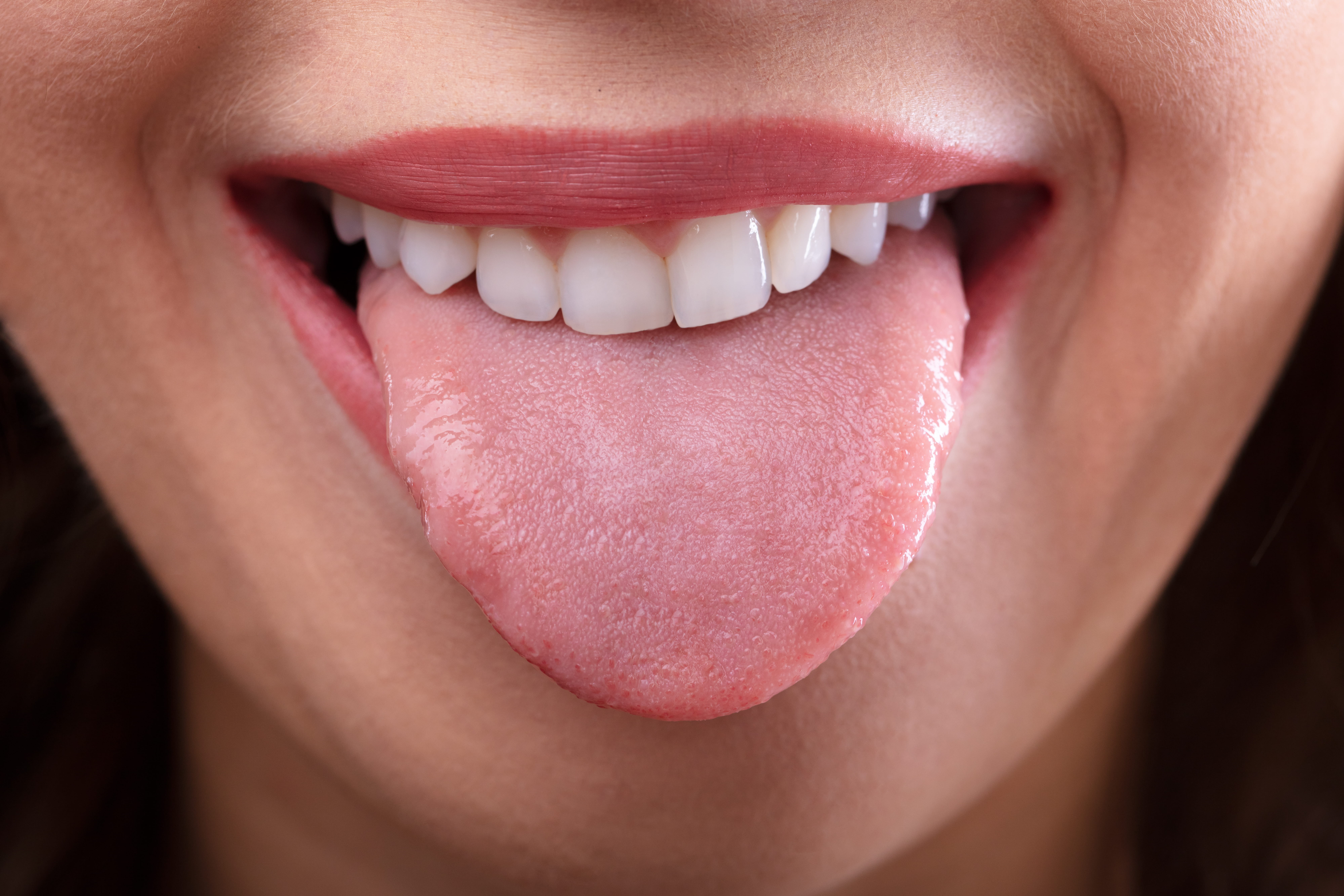
Why do you need to clean your tongue?
Cleaning the tongue is crucial to reduce the risk of conditions such as halitosis, periodontitis, oral thrush and “morning breath.”
The tongue can trap volatile sulfur compounds, including hydrogen sulfide, which are responsible for unpleasant odours. Clinical studies have demonstrated that mechanical cleaning of the tongue significantly lowers bacterial load and reduces VSCs, supporting better oral hygiene and reducing the risk of gum disease [3].
Choosing the Right Tool: Copper, Steel, or Plastic
Selecting the best tongue scraper depends on your preferences for durability, comfort and hygiene.
Comparison of Tongue Scraper Materials
How to Use a Tongue Scraper Correctly
Using a tongue scraper correctly requires a simple four-step technique.
Extend: Stick out your tongue to expose the posterior tongue (back of the tongue) and surface area.
Place: Position the scraper at the back of the tongue, ensuring you cover the filiform papillae where debris accumulates.
Pull: Gently pull the scraper forward using light pressure, removing coating and biofilm without damaging the tissue.
Rinse: Rinse the scraper and repeat if necessary until the tongue surface feels clean.
Emerging trends in 2026 include connected health devices and AI-driven smart oral care tools that provide feedback on technique and frequency.
Safety and Health Considerations
Tongue scraping is generally safe when performed gently, but attention to technique is essential to protect oral tissue.
Overzealous scraping can damage the tongue and lead to lesions or tissue damage. Proper technique preserves commensal bacteria, which are essential for maintaining a healthy oral microbiome.
Clinical research has also explored links between tongue cleaning and nitric oxide production, which supports blood vessel function and healthy blood pressure, suggesting broader cardiovascular benefits when included in an oral hygiene routine [4].
Frequently Asked Questions
Is a tongue scraper better than a toothbrush?
Tongue scrapers are more effective than toothbrushes at removing bacterial biofilm and debris from the tongue surface due to their design, although toothbrush bristles can help reduce superficial coating.
How often should I replace my scraper?
Replacement depends on material and usage, with most plastic scrapers lasting three to six months. Quality tongue metal scrapers, such as Vivere’s, are built to last a very long time. Regular sterilisation is recommended to prevent bacterial buildup.
Can tongue scraping cause high blood pressure?
When performed correctly, tongue scraping does not adversely affect cardiovascular health and may support nitric oxide production, contributing positively to blood vessel function. However, aggressively brushing the tongue or using strong antiseptic mouthwashes may increase blood pressure by disrupting the process that converts dietary nitrate into nitric oxide.
Nutritionist's Corner: Final Thoughts
“Incorporating tongue scraping into a daily habit supports consistent oral cleanliness and overall wellness. Regular use contributes to a holistic health routine, reinforcing other aspects of oral care while promoting a healthy microbiome. Consistency and gentle technique are key to maximising benefits without causing tissue damage.”
Vivere helps you take control of your health with personalised insights from state-of-the-art gut microbiome testing, nutritional guidance, science-backed supplements, NAD injections and expert support. Sign up today and start living better, for longer.
Sources
[1] Impact of tongue cleansers on microbial load and taste - PubMed
Author

Yusra Serdaroglu Aydin, MSc RD
Head of Nutrition and Registered Dietitian
Yusra is a nutritionist with a multidisciplinary background in nutrition, food engineering, and culinary arts. During her education, her curiosity abo...