Alzheimer's Disease

Alzheimer's disease is a progressive neurodegenerative condition that causes the brain to shrink (atrophy) and brain cells to die. It is the most common cause of dementia, a continuous decline in thinking, behavioural, and social skills that affects a person's ability to function independently. While it typically affects older adults, it is not a normal part of ageing.
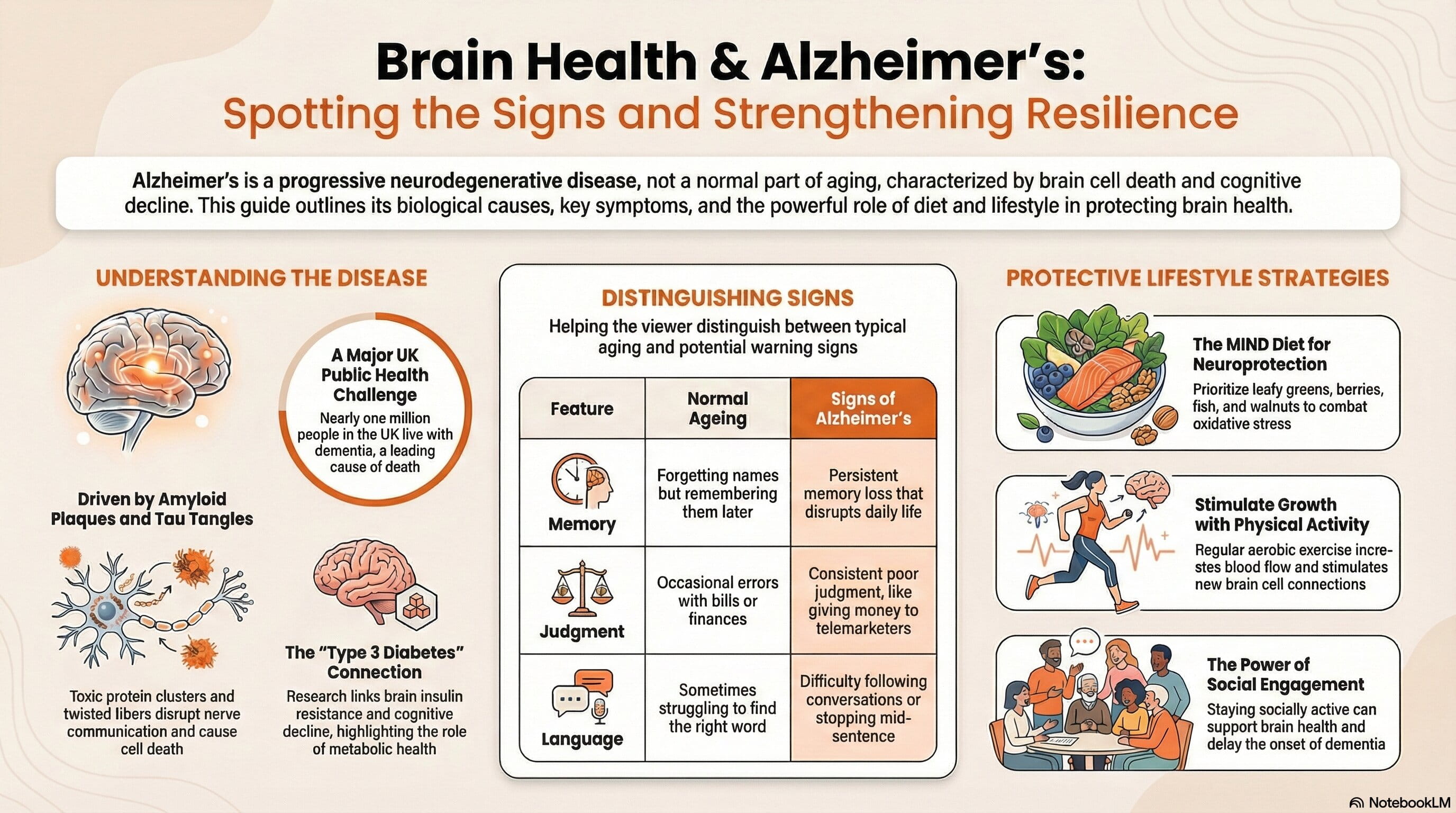
How It Affects the Brain
The disease is characterised by two specific abnormalities that accumulate in the brain and disrupt communication between nerve cells. These key markers are:
- Amyloid Plaques: Toxic clusters of beta-amyloid protein fragments that build up between nerve cells, blocking signalling. [1]
- Tau Tangles: Twisted fibres of tau protein that build up inside cells, causing the transport system to collapse and the cell to die. [2]
This damage often starts in the region of the brain that controls memory (the hippocampus) years before symptoms appear. Recent research suggests that NAD+ supports brain health and may potentially influence factors linked to the development of Alzheimer's disease, though further larger clinical trails are needed.
Common Symptoms and Warning Signs
Memory loss is the key symptom of Alzheimer's disease, particularly difficulty recalling recent events or conversations. As the condition advances, symptoms become more severe and may include:
- Confusion with time or place: Losing track of dates or forgetting where you are.
- Difficulty completing familiar tasks: Struggling to drive to a familiar location or organise a shopping list.
- Misplacing items: Putting things in unusual places and being unable to retrace steps to find them.
- Changes in mood and personality: Becoming confused, suspicious, depressed, fearful, or anxious.
Prevalence in the UK
Alzheimer's disease is a significant public health challenge in the United Kingdom. According to the NHS and Alzheimer's Research UK, there are currently nearly one million people living with dementia in the UK, and this number is projected to rise as the population ages [3][4][5]. It is currently one of the leading cause of death in the UK.[6]
Alzheimer's vs. Normal Ageing
It can be worrying to experience memory lapses, but not all forgetfulness is a sign of disease. The table below helps distinguish between typical age-related changes and signs of Alzheimer's.
| Feature | Normal Age-Related Change | Signs of Alzheimer's Disease |
|---|---|---|
| Memory | Sometimes forgetting names or appointments, but remembering them later. | Memory loss that disrupts daily life and asking for the same information repeatedly. |
| Decision Making | Making occasional errors when managing finances or household bills. | Consistent poor judgement or decision making, such as giving large amounts of money to telemarketers. |
| Conversation | Sometimes having trouble finding the right word. | Difficulty following or joining a conversation and frequently stopping in the middle of talking. |
| Orientation | Getting confused about the day of the week but figuring it out later. | Losing track of dates, seasons, and the passage of time. |
The Role of Lifestyle and Diet
While genetics (such as the APOE-e4 gene) play a role, growing evidence suggests that lifestyle factors strongly influence the risk of developing Alzheimer's including factors such as gut health. This has led some researchers to refer to Alzheimer's as "Type 3 Diabetes" due to the strong link between insulin resistance in the brain and cognitive decline.[7]
Protective Strategies
- The MIND Diet: A hybrid of the Mediterranean and DASH diets, specifically designed to reduce dementia risk. It emphasises leafy greens, berries, nuts, whole grains, and fish. [8]
- Physical Activity: Regular aerobic exercise increases blood flow to the brain and may stimulate the growth of new connections between cells. [9]
- Social Engagement: Staying socially active may support brain health and delay the onset of dementia.
Nutritionist's Corner: Final Thoughts
"While we cannot change our genetics or our age, we have significant power over our lifestyle choices which directly impact brain resilience. I encourage viewing food as neuroprotective medicine. The brain is highly susceptible to oxidative stress, so a diet rich in antioxidants is essential. Prioritise 'brain foods' rich in Omega-3 fatty acids, like oily fish and walnuts, and aim to reduce intake of saturated fats and refined sugars, which can drive inflammation. Caring for your heart is effectively caring for your brain."
- Yusra Serdaroglu Aydin, MSc RD
Sources
[3] Dementia is still UK’s biggest killer – where do we go from here? - Alzheimer's Research UK
[4] How many people have dementia in the UK? - Alzheimer's Society
[6] Alzheimer’s Research UK publish analysis on deaths from dementia - Dementia Community
Author

Yusra Serdaroglu Aydin, MSc RD
Head of Nutrition and Registered Dietitian
Yusra is a nutritionist with a multidisciplinary background in nutrition, food engineering, and culinary arts. During her education, her curiosity abo...