The Systemic Microbiome: What Celebrity Health Stories Teach Us About Acne, Weight and Autoimmunity
Last Updated: 27 November 2026
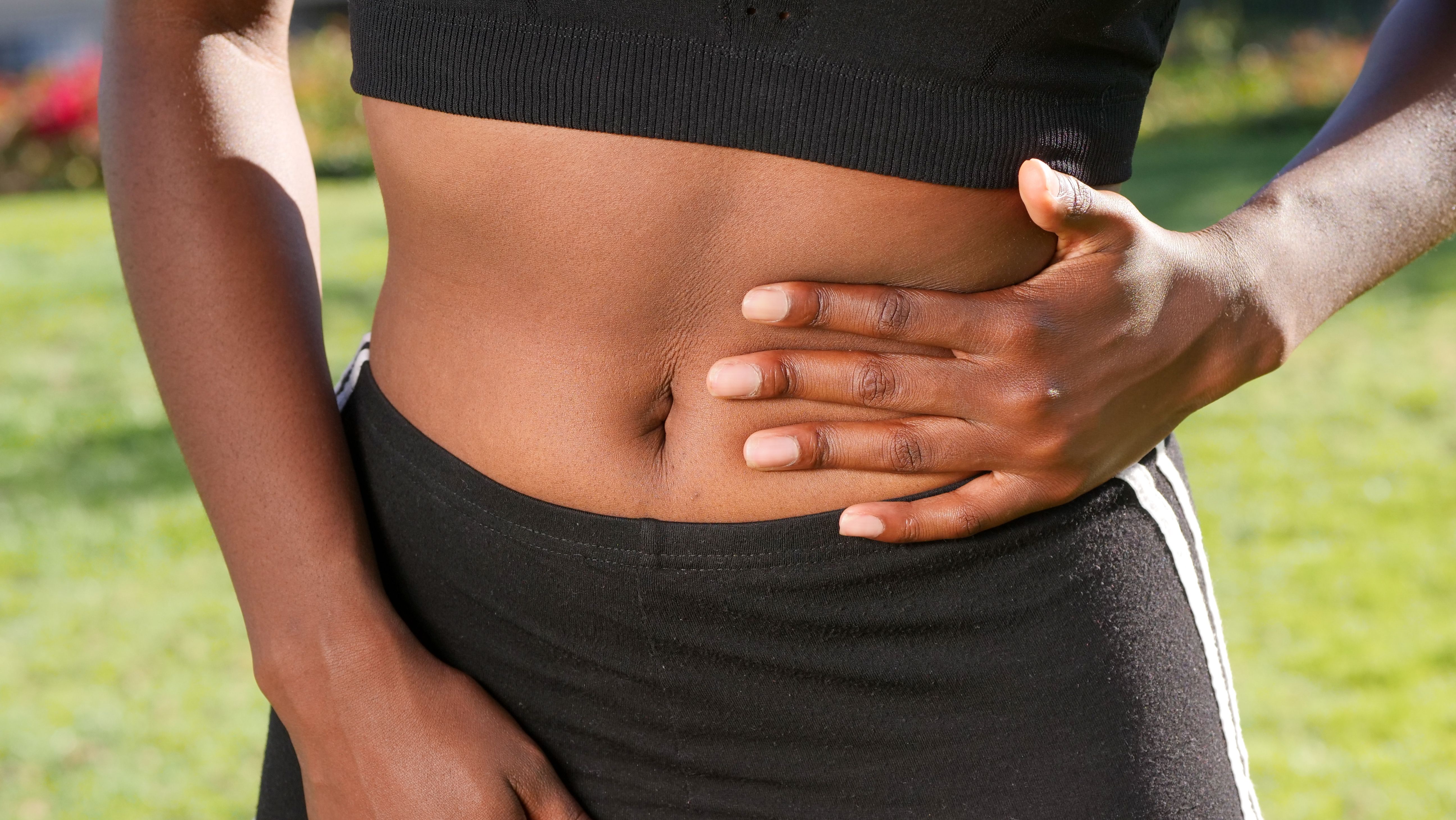
The gut microbiome is increasingly recognised as an important part of human health, with research suggesting that the trillions of microbes living in the digestive system may influence far more than digestion. From acne and eczema to weight management and autoimmune conditions, the relationship between gut bacteria, the immune system, hormones and metabolism is an expanding area of scientific research. Celebrity health stories involving Selena Gomez, Keke Palmer, Venus Williams, Cara Delevingne and others have also brought these connections into the public eye. However, what can these experiences really teach us about the systemic microbiome, and how much of the science is supported by clinical evidence?
In this article, insights are provided by Yusra Serdaroglu Aydin, Vivere's Head of Nutrition, with a background in nutrition, food engineering and culinary arts. Her approach is grounded in science and shaped by a strong understanding of personalised nutrition and the human microbiome, helping to explain how gut health may relate to skin health, weight regulation and immune function without overlooking the importance of individual circumstances and appropriate medical care.
We've drawn only on what each person has said publicly, and we don't comment on anyone's individual health. Celebrity health stories can also help people feel less alone when managing digestive conditions. Read more about celebrities who have spoken about IBS and their experiences of digestive health.
In One Sentence:
The systemic microbiome describes how gut microbiota and their metabolites can influence the immune system, metabolism and skin through interconnected pathways, including the gut-skin axis and gut-immune axis, potentially contributing to acne, eczema, weight management and autoimmune conditions, although these relationships do not establish that gut bacteria directly cause or cure these conditions.[1] [2]
Key Takeaways
Can your gut affect your skin? The gut-skin axis connects the gut microbiome with skin inflammation and immune responses, with research exploring its possible role in acne, eczema and psoriasis.
Do gut bacteria affect your weight? Gut bacteria ferment fibre into short-chain fatty acids (SCFAs), which may influence fullness hormones, satiety and appetite regulation, while microbiome diversity has also been associated with weight gain and long-term weight management.
How is the gut linked to autoimmune conditions? The gut microbiome interacts with the immune system through the gut lining, immune signalling and microbial metabolites, with studies identifying differences in gut bacteria in people with lupus and Sjögren's syndrome.
Will a probiotic fix acne, eczema or an autoimmune condition? No. A Cochrane review found that probiotics probably make little or no difference to patient-rated eczema symptoms, and there is insufficient evidence to recommend them as a treatment for these conditions.[3]
What's the best first step? Focus on a balanced diet, gradual increases in fibre, plant diversity and fermented foods where tolerated, while speaking to a GP about persistent symptoms and consulting a dietitian before making restrictive dietary changes.
How Can Your Gut Bacteria Affect the Rest of Your Body?
Your gut bacteria can influence other parts of your body by producing metabolites, interacting with immune cells and helping regulate processes involved in inflammation, digestion and metabolism.
The gut microbiome is made up of bacteria, viruses, fungi and other microorganisms that live throughout the digestive tract. Collectively, these organisms are known as the gut microbiota. Although they are concentrated in the digestive system, their activity can have effects beyond the gut.
This is why researchers increasingly discuss the systemic microbiome rather than looking at gut health in isolation. The gut communicates with other organs and systems through several interconnected pathways.
What are short-chain fatty acids and why do they matter?
Short-chain fatty acids (SCFAs) are substances produced when gut bacteria ferment dietary fibre and other carbohydrates that the body cannot fully digest.
Three important SCFAs are:
Butyrate: An important energy source for colonocytes, the cells lining the colon. It also plays a role in maintaining the gut barrier and regulating inflammation.
Propionate: Travels to the liver, where it contributes to glucose production and may influence appetite signalling and satiety.
Acetate: Can enter the bloodstream and participate in fat metabolism and cholesterol regulation.
A BMJ review of the gut microbiota in nutrition and health explains how fibre fermentation produces these metabolites and supports different metabolic processes.[2]
SCFAs are particularly interesting because they provide a possible link between diet, gut bacteria and wider health. For example, butyrate may support the integrity of the gut lining while also influencing immune activity.
However, the relationship is complex. Increasing fibre too quickly can temporarily affect microbial diversity and cause bloating or changes in bowel habits.[2] A gradual approach is generally more comfortable.
What is the gut barrier and can it become too permeable?
The gut barrier is a protective lining that helps control which substances pass from the digestive tract into the bloodstream.
Intestinal permeability describes how easily substances move through this barrier. Some people use the term leaky gut to describe increased intestinal permeability.
A review of leaky gut in the journal Gut identifies several circumstances associated with increased gut permeability, including inflammatory bowel disease, endurance exercise, NSAIDs (anti-inflammatory painkillers) and pregnancy.[4]
However, it is important to distinguish between an observed change in intestinal permeability and a proven disease mechanism. It has not been established that restoring the gut barrier automatically improves gut or systemic disease.[4]
You can read more about intestinal permeability to understand the science behind the gut barrier.
Why do some studies find different results?
The gut microbiome is highly individual. Age, genetics, diet, medication, environment, sleep, stress and existing health conditions can all influence microbial composition.
A bacterium associated with better outcomes in one group may not have the same effect in another. Similarly, a reduction in microbial diversity does not automatically mean someone has an unhealthy gut.
Research also uses different methods to assess microbial diversity and composition. This makes it difficult to compare results directly.
The most reliable approach is to consider the wider clinical picture rather than treating an individual bacterial result as a diagnosis.
How Does the Gut Microbiome Influence Severe Acne and Eczema Flares?
The gut-skin axis describes the communication between the gut microbiome, immune system and skin, with microbial metabolites and inflammatory signalling potentially influencing acne vulgaris and atopic eczema.
A review in Frontiers in Microbiology explores how gut microbes may influence skin conditions through immune responses, including the balance between regulatory T cells and Th17 cells.[1]
These immune cells have different functions. Regulatory T cells help control excessive immune responses, while Th17 cells are involved in inflammatory defence mechanisms.
Gut bacteria also produce metabolites such as SCFAs, which may influence inflammation and immune activity throughout the body.
What does the research say about acne?
Acne vulgaris is a common inflammatory skin condition involving blocked hair follicles, excess sebum production and changes in the skin microbiome.
Although acne is primarily associated with processes occurring within the skin, research has started investigating whether gut microbial diversity may also be relevant.
A study of 43 people with acne and 43 without found lower gut microbial diversity among those with acne, including fewer Lachnospiraceae and Ruminococcaceae.[14]
These bacterial families include organisms involved in fibre fermentation and the production of beneficial metabolites.
This research provides a possible explanation for the gut-skin axis, but it does not prove that gut dysbiosis causes acne. Hormones, genetics, inflammation, skincare habits and other factors remain important.
For more detail, read Vivere's guide to how gut health affects your skin.
What about eczema and microbial diversity?
Atopic eczema is a chronic inflammatory skin condition associated with a disrupted skin barrier and an altered immune response.
Research into infant gut microbiota suggests that early microbial diversity may influence immune tolerance and the development of allergic conditions.
The Swedish infant study included in Table 1 found that children who developed allergic (IgE-associated) eczema had lower microbial diversity at one month old.[7] However, this was a small observational study and cannot establish that lower diversity caused eczema.
A dermatologist or GP can help distinguish eczema from other skin conditions and recommend appropriate treatment.
It is also important to remember that skin symptoms are not always a sign of gut problems. Someone can experience eczema or acne without having an identifiable issue with their gut microbiome.
What Has Keke Palmer Said About PCOS and Acne?
Keke Palmer has spoken publicly about living with polycystic ovary syndrome (PCOS), describing the effect it has had on her skin and highlighting the connection between hormonal health, acne and wider metabolic health.
In December 2020, Palmer shared a makeup-free photograph on Instagram and discussed her experience of PCOS. She described how the condition had affected her throughout her life and explained that her acne had been severe enough for people to offer to pay for treatment.[15]
The story was reported by Entertainment Tonight and helped raise awareness of adult acne and the impact of hormonal conditions on appearance and confidence.
What is the connection between PCOS, acne and hormones?
PCOS is a hormonal and metabolic condition that can affect ovarian function, insulin activity and androgen levels.
NHS guidance now also uses the term polyendocrine metabolic ovarian syndrome (PMOS) to reflect the wider hormonal and metabolic features associated with the condition.[16]
Common symptoms can include:
Oily skin and acne.
Irregular or absent periods.
Excess facial or body hair.
Weight gain or difficulty managing weight.
Thinning hair on the scalp.
Difficulties with fertility.
Insulin resistance can occur in PMOS. This means the body's cells do not respond as effectively to insulin, potentially causing the body to produce more insulin.
Higher insulin levels may influence androgen production, including testosterone. Androgens are hormones that can contribute to oily skin, adult acne, hirsutism and other symptoms of hyperandrogenism.
Could gut microbial diversity affect PMOS?
A study in the Journal of Clinical Endocrinology and Metabolism involving 163 women in Poland identified lower gut microbial diversity among women with PMOS. The researchers also found associations between lower diversity, higher testosterone levels, hirsutism and hyperandrogenism.[5]
This suggests that gut bacteria may be connected to hormonal and metabolic processes in PMOS.
However, it does not demonstrate that improving gut microbial diversity will reverse PMOS or reduce testosterone levels.
The relationship between gut bacteria, insulin resistance and hormones remains an active area of research.
For more information, read about polyendocrine metabolic ovarian syndrome (PMOS) and the gut-PMOS connection.
Can a low-glycaemic-load diet help acne?
A low-glycaemic-load diet focuses on foods that have a more gradual effect on blood glucose levels, rather than relying heavily on refined carbohydrates that can cause rapid increases.
In a 12-week trial of 43 young men with acne, participants following a low-glycaemic-load diet experienced a greater reduction in acne lesions than those following the control diet. The low-glycaemic-load group also lost weight.[6]
Foods commonly included in a balanced lower-glycaemic eating pattern include:
Wholegrains such as oats and brown rice.
Pulses such as lentils, beans and chickpeas.
Vegetables and fruit.
Sources of protein.
Nuts and seeds.
However, NICE's acne guideline states that there is insufficient evidence to recommend specific diets as a treatment for acne.[17] It is also important to avoid restrictive eating patterns that could contribute to eating disorders or an unhealthy relationship with food.
A balanced diet may support general health, but it should not replace appropriate acne treatment. A GP or pharmacist can advise on suitable options, including treatments for hormonal acne. For more ideas, read about food choices that may help acne.
What Can Kerry Washington's and Suni Lee's Eczema Teach Us?
Kerry Washington and Olympic gymnast Suni Lee have both spoken about their experiences with eczema, highlighting the physical discomfort and emotional effects of living with a recurring inflammatory skin condition.
In a 2023 interview with TODAY, Washington discussed her lifelong experience of eczema and explained that she had spent considerable time visiting dermatologists. She also mentioned hydration and fish oil as part of her personal approach.[18]
Lee, meanwhile, described having very dry, flaky skin as a child. In 2024, she told People that eczema flare-ups could feel isolating and discussed the additional challenge of managing stress.[19]
These experiences highlight that eczema is not simply a cosmetic concern. It can affect comfort, confidence, sleep and everyday activities.
What is the relationship between eczema and the gut microbiome?
Research suggests that gut microbial diversity may be relevant to the development of allergic eczema, particularly during infancy.
The gut microbiome helps train the developing immune system and may influence immune tolerance. However, the relationship between infant gut bacteria and eczema is not straightforward.
A review of the gut-skin axis also describes potential immune pathways connecting gut microbes with atopic dermatitis.[1]
These findings are interesting but do not mean that every person with eczema has low gut microbial diversity.
Can probiotics help eczema?
A Cochrane review of 39 trials involving 2,599 participants found that probiotics probably make little or no difference to patient-rated eczema symptoms.[3]
Probiotics are live microorganisms that may provide health benefits when consumed in appropriate amounts. They are found in some supplements and fermented foods.
However, different probiotic strains have different properties. Evidence for one strain cannot automatically be applied to another.
Another Cochrane review of 11 trials involving 596 participants found no convincing evidence that supplements, including fish oil, vitamins, zinc or selenium, help established eczema. Two small fish oil trials showed slight improvements, but the overall evidence was insufficient to support routine supplementation.[20]
The main treatments recommended by the NHS for atopic eczema include:
Emollients: Help moisturise the skin and protect the skin barrier.
Topical corticosteroids: Help reduce inflammation during flare-ups.
Avoiding identified triggers: Where a particular irritant or allergen is known to make symptoms worse.
NHS advice on atopic eczema also highlights that certain foods may trigger symptoms in some people, but dietary changes should only be made when advised by a doctor.[21]
Should you remove dairy if you have eczema?
“If you think a food is making your eczema worse, keep a simple food and symptom diary and take it to your GP before cutting anything out. Dairy is one of the main sources of calcium and iodine in the UK diet. If you do need to avoid it, choose alternatives delivering these nutrients.”
It is important not to assume that a food is responsible simply because symptoms occur after eating.
Unnecessary food exclusions can create nutritional gaps, particularly when several food groups are removed.
What Has Cara Delevingne Said About Psoriasis and Stress?
Cara Delevingne has spoken about experiencing psoriasis during a particularly stressful period in her modelling career, highlighting the potential relationship between stress, immune activity and inflammatory skin conditions.
As reported by Harper's Bazaar, Delevingne told The Times that she had stepped away from fashion work after experiencing psoriasis and described being in a prolonged fight or flight state.[22]
Her experience illustrates how demanding circumstances and stress can affect wellbeing, although individual psoriasis triggers vary.
What causes psoriasis?
Psoriasis is a chronic inflammatory skin condition that develops when the immune system becomes overactive and speeds up the production of skin cells.
The NHS says psoriasis is thought to be caused by a problem with the immune system.[23] It can cause raised, scaly patches that may be itchy, sore or uncomfortable.
Common psoriasis triggers include:
Stress.
Alcohol.
Smoking.
Living with obesity.
Certain medicines.
Infections.
Stress can activate the fight or flight response, which involves the release of hormones such as cortisol. The relationship between stress, the gut-brain axis and gut bacteria is also an area of ongoing research.
For more information, read our guide to stress and gut health.
Is psoriasis connected to inflammatory bowel disease?
Research suggests that psoriasis and inflammatory bowel disease (IBD) may share some immune-related pathways.
A 2018 analysis of nine studies covering nearly 7.8 million people found that psoriasis was associated with an increased risk of developing Crohn's disease and ulcerative colitis. The relative risk was 2.53 for Crohn's disease and 1.71 for ulcerative colitis.[8]
These findings suggest an association rather than proving that psoriasis causes IBD.
In a French study of more than 35,000 adults, people with severe psoriasis had lower adherence to a Mediterranean diet than those without the condition.[9] The research, conducted using data from the NutriNet-Santé cohort, explored dietary patterns in relation to psoriasis severity.
The Mediterranean diet includes vegetables, fruit, wholegrains, pulses, nuts, seeds and oily fish. It can provide fibre and nutrients that support general health.
However, a Mediterranean diet should not be presented as a cure for psoriasis.
Can diet help manage psoriasis flare-ups?
A balanced diet can support general health, but it cannot replace prescribed creams or medicines.
A GP or dermatologist can recommend treatments according to the severity and location of psoriasis. Some people may require topical treatments, phototherapy or medicines that affect immune activity.
“With any skin condition, I treat food as a partner to the creams and medicines recommended by a GP or dermatologist. Be consistent with your prescribed treatment, make informed nutritional choices and stick with them for at least a couple of months to see results.”
Changes to general eating patterns should not be confused with a proven psoriasis treatment, and there is no guarantee that a particular food will prevent flare-ups.
Can Rebalancing the Gut Microbiome Assist With Sustainable Weight Management?
The gut microbiome may influence sustainable weight management through fibre fermentation, appetite regulation, metabolic signalling and interactions with fullness hormones, but weight is also affected by diet, physical activity, sleep, genetics, health conditions and medicines.
Gut bacteria help break down dietary components that the human digestive system cannot fully process. This includes certain types of fibre, which are fermented into SCFAs.
These metabolites may influence how the body processes energy and regulates appetite.
However, the gut microbiome is one part of a much wider system. It would be misleading to suggest that changing gut bacteria alone can produce sustainable weight loss.
For a more detailed explanation, read Vivere's guide to the gut-weight connection.
What Has Selena Gomez Said About Her Weight and Health?
Selena Gomez has spoken publicly about how lupus medication can affect her weight and has also discussed small intestinal bacterial overgrowth (SIBO), highlighting why weight fluctuations should not automatically be attributed to diet or gut health.
How can lupus medication affect weight?
Gomez discussed her weight on TikTok Live in February 2023, explaining that her lupus medication causes her to retain water.
As reported by Marie Claire, she also emphasised that her medicines are important and helped her.[24]
This is an important distinction because weight fluctuation does not always represent changes in body fat. Water retention, inflammation, medication effects and digestive symptoms can all affect the number on the scales.
Body-shaming can also make it harder for people living with chronic conditions to discuss their health openly.
Prescribed medicines should never be stopped or changed to manage weight without medical advice.
What is SIBO?
Small intestinal bacterial overgrowth (SIBO) occurs when there are excessive numbers of bacteria in the small intestine.
Gomez mentioned her SIBO diagnosis in November 2024. Healthline reported her comments, in which she explained that the condition causes flare-ups and abdominal distension.[25]
SIBO can cause symptoms including:
Tummy pain.
Bloating.
Diarrhoea.
Unintentional weight loss.
Changes in bowel habits.
Guts UK explains that breath tests may be used when investigating SIBO, but they are not a direct measurement of bacterial numbers and can produce false results.[26]
Antibiotics are commonly used as part of treatment, depending on the clinical assessment.
SIBO symptoms can overlap with other digestive conditions, so a healthcare professional should assess persistent symptoms rather than relying on an at-home test alone.
Read Vivere's glossary explanation of SIBO.
How Do Gut Bacteria Help You Feel Full?
Gut bacteria may help regulate fullness by fermenting fibre into SCFAs, which can interact with enteroendocrine L-cells in the digestive tract and influence hormones your body makes naturally, such as peptide YY (PYY) and glucagon-like peptide-1 (GLP-1).
These hormones are involved in satiety, appetite regulation and communication between the digestive system and brain. This provides a possible explanation for why dietary fibre can support fullness and make it easier to maintain a balanced eating pattern.
What is the connection between fibre and fullness hormones?
Laboratory and mouse studies have found that SCFAs can trigger GLP-1 release from intestinal L-cells through receptors.[27]
These receptors help cells respond to metabolites produced by gut bacteria.
Further research has investigated whether delivering propionate directly to the colon could influence appetite.
A trial at Imperial College London found that propionate delivered to the colon increased PYY and GLP-1 levels and reduced food intake at a buffet meal by approximately 14%.[28]
The study also followed participants over 24 weeks. One in 25 people receiving the propionate treatment gained at least 3% of their body weight, compared with six in 24 in the control group. However, the average weight change between groups was not statistically significant.[28]
Although the findings are interesting, this research does not establish that propionate supplements are a proven weight management treatment.
How much fibre should you eat each day?
The NHS recommends 30g of fibre a day for adults, although most adults in the UK consume approximately 20g.[29]
Good sources include:
Oats and barley.
Beans and lentils.
Chickpeas.
Wholegrain bread and pasta.
Vegetables and fruit.
Nuts and seeds.
Fibre can support bowel regularity, provide food for beneficial gut bacteria and contribute to fullness.
It is best to increase fibre gradually and drink enough fluid to help avoid digestive discomfort. For more practical advice, read why fibre matters for your gut.
Does the Variety of Your Gut Bacteria Matter for Weight?
Greater microbiome diversity has been associated with better metabolic health and less long-term weight gain in some studies, although diversity alone cannot predict an individual's weight or health.
Microbiome diversity describes the variety of microorganisms present in the gut.
A King's College London study of 1,632 women from the TwinsUK cohort found that higher gut microbial diversity and greater fibre intake were associated with less long-term weight gain over approximately nine years, independently of calorie intake.[30]
This suggests that dietary patterns may influence both microbial composition and metabolic health.
What is Akkermansia muciniphila?
Akkermansia muciniphila is a gut bacterium associated with the mucus layer that protects the intestinal lining.
In a study of 49 adults with overweight or obesity, higher levels of Akkermansia muciniphila were associated with better fasting blood sugar and waist-to-hip ratio measurements. People with higher levels also saw greater improvements in cholesterol following calorie restriction, although they did not lose more weight.[31]
However, this does not mean that taking a supplement containing this bacterium will necessarily lead to weight loss.
How can you support microbial diversity through food?
A practical approach is to introduce more plant-based foods into your usual diet.
“When people ask me how to support their gut, I start with what to add. A portion of beans or lentils, oats at breakfast, a handful of berries or nuts: these feed the bacteria that help you feel full. Adding foods is far easier to keep up than cutting them out.”
The aim is to build sustainable habits that support fullness, digestive health and long-term wellbeing.
What Is the Clinical Link Between the Gut Microbiome and Systemic Immunity?
The gut microbiome interacts with the immune system through the gut lining, immune cells and microbial metabolites, helping influence immune training and the regulation of inflammation.
The digestive system is an important part of immune function because it is constantly exposed to food components, microorganisms and substances from the external environment.
What is gut-associated lymphoid tissue?
Gut-associated lymphoid tissue (GALT) is a collection of immune structures located throughout the digestive tract.
A review in Clinical and Experimental Immunology describes GALT as representing almost 70% of the immune system.[32]
It contains immune cells that help recognise potentially harmful organisms while maintaining tolerance towards harmless substances, including food components and beneficial microbes.
This is one reason the gut microbiome is relevant to systemic immunity.
Gut microbes interact with immune cells and contribute to the development of immune responses. This process is sometimes described as immune training.
Can butyrate help regulate immune responses?
Butyrate is an SCFA produced through bacterial fermentation of dietary fibre.
In mouse studies published in Nature, researchers found that butyrate produced by gut bacteria encouraged the development of colonic regulatory T cells (Tregs) and reduced experimental colitis.[33]
Regulatory T cells are important because they help prevent excessive immune activity.
T-cell regulation is particularly relevant to inflammation and autoimmune conditions, where immune responses can mistakenly target the body's own tissues.
However, findings from animal studies cannot automatically be applied to people.
For more background, read Vivere's guide to how your gut and immune system are linked.
Does gut dysbiosis cause autoimmune conditions?
Gut dysbiosis describes changes in the composition or activity of the gut microbiome.
Research has identified microbial differences in people with lupus, Sjögren's syndrome and other autoimmune conditions. However, it is not yet clear whether these differences contribute to disease development, result from the disease itself or reflect other factors.
Genes, hormones, infections, medication and environmental influences may all contribute to autoimmunity.
It is therefore important to distinguish between a microbial association and a proven cause.
What Has Venus Williams Said About Sjögren's Syndrome and Diet?
Venus Williams has spoken about living with Sjögren's syndrome, an autoimmune disease that affects glands responsible for producing moisture, and has discussed how dietary changes helped her maintain her sporting performance.
As CBS News reported at the time, Williams revealed her diagnosis after withdrawing from the 2011 US Open.
She explained that the condition would not stop her from returning to tennis.[34]
What is Sjögren's syndrome?
Sjögren's syndrome is an autoimmune condition in which the immune system attacks glands that produce fluids such as tears and saliva.[35]
The NHS explains that common symptoms include:
Dry eyes.
Dry mouth.
Aching muscles and joints.
Extreme tiredness or fatigue.
The condition can affect everyday activities, including eating, speaking and sleeping.
What has Venus Williams said about her diet?
In an interview with Health magazine, Williams discussed changing her diet after receiving an autoimmune disease diagnosis.
She explained that she wanted to maintain her performance on the court and described feeling more energised and positive after making dietary changes.[36]
Her experience highlights how a plant-based diet can provide a wide range of nutrients when carefully planned.
A raw vegan diet is more restrictive than a standard plant-based diet, however, and may not be appropriate for everyone.
People following restrictive diets need to pay attention to nutrients such as protein, vitamin B12, calcium, iron, iodine and omega-3 fatty acids.
What does the research say about gut dysbiosis and Sjögren's syndrome?
A Swedish study published in Arthritis Research and Therapy found severe gut dysbiosis in 21% of 42 people with primary Sjögren's syndrome, compared with 3% of 35 controls. Greater dysbiosis was associated with higher disease activity.[11]
A smaller US study of 10 people also identified reduced levels of Faecalibacterium and other bacterial groups. Lower gut diversity was associated with more severe disease.[37]
Faecalibacterium includes bacteria involved in butyrate production, making it relevant to research into the gut barrier and inflammatory regulation.
These studies are relatively small and do not prove that changing the gut microbiome will treat Sjögren's syndrome.
Eating fibre-rich foods may help support beneficial gut bacteria, but dietary changes should complement rather than replace medical treatment.
How Is Lupus Linked to the Gut?
Lupus is an autoimmune condition in which the immune system attacks healthy tissues, and research has identified differences in gut bacteria that may be associated with disease activity.
What has Selena Gomez said about lupus?
Selena Gomez revealed her lupus diagnosis in 2015. In 2017, she explained that she needed a kidney transplant due to her condition, as reported by the Associated Press.[38]
Lupus, also known as systemic lupus erythematosus, can affect several parts of the body.
The NHS describes symptoms including:
Joint and muscle pain.
Extreme tiredness.
Skin rashes.
Inflammation affecting organs, including the kidneys.[39]
When lupus affects the kidneys, it may cause lupus nephritis, which requires specialist assessment and treatment.
What does the gut microbiome have to do with lupus?
A study of 61 women with lupus found that Ruminococcus gnavus was approximately five times more abundant than in control participants.[10]
The researchers also found that antibodies against this bacterium were highest in participants with active lupus nephritis.
The findings, published in Annals of the Rheumatic Diseases, suggest that specific gut bacteria may be associated with lupus activity.
However, they do not demonstrate that Ruminococcus gnavus causes lupus or that removing it would improve the condition.
Can diet support someone living with lupus?
A balanced diet can help support general health and provide nutrients needed for normal bodily functions.
Fibre-rich foods, vegetables, fruit, wholegrains and suitable protein sources can contribute to a varied eating pattern.
However, diet should not replace prescribed treatment for lupus. People experiencing changes in symptoms or side effects from medication should discuss these with their healthcare team.
What Did Daisy Ridley's Graves' Disease Diagnosis Mean for Her Diet?
Daisy Ridley's experience of Graves' disease highlights the importance of understanding autoimmune thyroid conditions before making dietary changes, particularly when considering a gluten-free or restrictive diet.
As NBC News reported, Ridley told Women's Health that she had been diagnosed with Graves' disease after experiencing hot flushes and fatigue.
She also discussed her history of following a vegan diet and said that generally reducing gluten made her feel better.[40]
What is Graves' disease?
Graves' disease is an autoimmune condition that causes an overactive thyroid (hyperthyroidism).
The NHS explains that around four in five people with an overactive thyroid have Graves' disease.[41]
The thyroid produces hormones that influence metabolism, energy use and several other bodily processes.
Symptoms of an overactive thyroid can include:
Weight loss despite an increased appetite.
Anxiety or irritability.
Difficulty sleeping.
Heat sensitivity and sweating.
Tiredness.
A fast or irregular heartbeat.
Should people with autoimmune thyroid disease avoid gluten?
A gluten-free diet is essential for people with coeliac disease, an autoimmune condition in which eating gluten causes damage to the small intestine.
However, having Graves' disease does not automatically mean that someone needs to avoid gluten.
NICE guideline NG20 recommends offering coeliac serological testing at diagnosis of autoimmune thyroid disease or type 1 diabetes.[12]
For accurate coeliac blood test results, people should eat gluten in more than one meal a day for at least six weeks before testing.[12]
This is sometimes described as a gluten challenge.
Stopping gluten before testing can lead to a false negative result, making coeliac disease harder to identify.
Coeliac UK estimates that approximately one in 100 people in the UK has coeliac disease, while only 36% are diagnosed.[42]
What about vitamin D and autoimmune health?
Vitamin D contributes to normal immune function and bone health.
The NHS advises everyone to consider taking 10 micrograms of vitamin D daily during autumn and winter. Adults should not take more than 100 micrograms a day unless advised by a healthcare professional.[43]
Research has also explored whether vitamin D supplementation may influence autoimmune disease risk.
The VITAL trial followed 25,871 US adults aged 50 and over. Participants taking 2,000 IU (50 micrograms) of vitamin D daily for a median of 5.3 years had 22% fewer confirmed autoimmune diagnoses than those taking a placebo.[44]
However, the trial dose was five times the standard NHS amount, and the findings do not establish that everyone should take additional vitamin D to prevent autoimmune conditions. Speak to your GP before taking more than the NHS recommends.
What should you eat with an autoimmune condition?
There is no single diet that treats all autoimmune conditions.
“With autoimmune conditions, food supports the treatment plan your specialist sets, but it can't cure the condition. What helps most in my experience is consistency. That means regular meals built around plants, enough protein to protect muscle, and a symptom diary so you can spot your own patterns.”
A symptom diary may help identify patterns involving food, sleep, stress and digestive symptoms, but suspected triggers should be discussed with a healthcare professional before eliminating foods.
How Is Crohn's Disease Different From IBS?
Crohn's disease is an inflammatory bowel disease that causes inflammation and ulcers in the digestive tract, whereas irritable bowel syndrome (IBS) is a functional gut disorder that does not cause the same type of intestinal inflammation.
Although both conditions can cause tummy pain, bloating and changes in bowel habits, they are medically different.
What is Crohn's disease?
Crohn's disease is a chronic inflammatory condition that can affect any part of the digestive tract, from the mouth to the bottom.
Crohn's and Colitis UK explains that it can cause ulcers and inflammation anywhere along this route. Unlike IBS, Crohn's can cause visible damage to the gut lining and may lead to blood in poo.[45]
Crohn's disease is one of the main forms of inflammatory bowel disease (IBD), alongside ulcerative colitis.
The immune system plays an important role in IBD, although the precise causes are not fully understood.
What is IBS?
IBS is a functional gut disorder associated with changes in gut motility, visceral hypersensitivity and communication between the digestive system and brain.
It can cause:
Tummy pain or discomfort.
Bloating.
Diarrhoea.
Constipation.
Changes in bowel habits.
IBS does not cause ulcers or the same type of inflammatory damage associated with Crohn's disease.
How are Crohn's disease and IBS diagnosed?
A GP may arrange blood tests, stool tests and other investigations depending on symptoms.
A colonoscopy may be needed to examine the bowel lining and investigate possible inflammation.
People with suspected IBD should be assessed by an appropriate specialist team.
Can diet help manage Crohn's disease and IBS?
Dietary approaches differ depending on the condition and whether someone is experiencing a flare.
For IBS, NICE guideline CG61 says exclusion diets, including a low FODMAP diet, should only be followed with support from a healthcare professional with appropriate dietary expertise.[46]
For children and young people with Crohn's disease, NICE guideline NG129 recommends considering enteral nutrition instead of steroids to induce remission when there are concerns about growth.[47]
Enteral nutrition involves providing nutrients through a specially formulated liquid diet, and it should only be used under specialist supervision.
Dietary management should always be tailored to the individual's symptoms, nutritional needs and treatment plan.
What Has Pete Davidson Said About Living With Crohn's Disease?
Pete Davidson has said he developed Crohn's disease in his late teens, highlighting that inflammatory bowel disease can affect young people as well as adults.
In a 2016 video interview reported by Refinery29, the comedian and actor said: “I got Crohn's disease when I was 17 or 18.”[49]
How can Crohn's disease affect everyday life?
Crohn's disease symptoms may include diarrhoea, abdominal pain, fatigue, weight loss and bowel urgency.
The condition can also affect nutritional absorption, particularly when inflammation involves the small intestine.
Crohn's and Colitis UK explains that there is no clear evidence that specific foods cause or cure Crohn's disease.[45]
This is important because people living with IBD may encounter restrictive diets online that claim to treat the condition without adequate evidence.
What is Faecalibacterium prausnitzii?
Faecalibacterium prausnitzii is a gut bacterium that produces butyrate and has been investigated for its potential anti-inflammatory properties.
A study in the journal PNAS found that lower levels of Faecalibacterium prausnitzii were associated with a higher risk of postoperative recurrence of ileal Crohn's disease.[13]
Laboratory and animal research has also explored its anti-inflammatory effects.
However, this does not mean that taking a supplement containing the bacterium will prevent Crohn's disease recurrence.
You can read more about Faecalibacterium prausnitzii.
How is Crohn's disease treated?
Treatment depends on the severity and location of inflammation.
It may involve medicines that reduce inflammation or control immune activity, nutritional support and surgery in some circumstances.
What Did Ulcerative Colitis Mean for Sir Steve Redgrave?
Sir Steve Redgrave was diagnosed with ulcerative colitis in 1992, shortly before the Barcelona Olympics, but continued his Olympic rowing career with appropriate medical treatment.
The five-time Olympic champion has spoken about the impact of the condition on his daily life.
Crohn's and Colitis UK reports that he experienced bowel urgency, sometimes needing to use the toilet 10 times a day.[50]
Despite these difficulties, Redgrave competed at the Barcelona Olympics in 1992 and continued his sporting career.
He has also served as an ambassador for Crohn's and Colitis UK.
His experience demonstrates that a diagnosis of ulcerative colitis does not automatically prevent someone from participating in demanding physical activities.
With the right medical treatment and support, some people can achieve remission and maintain an active lifestyle.
However, IBD requires ongoing management. Symptoms, treatment needs and the ability to exercise can change over time.
Where Does IBS Fit In?
IBS is a common functional gut disorder that can cause persistent digestive symptoms, but it does not produce the inflammatory damage associated with Crohn's disease or ulcerative colitis.
How common are IBS and IBD?
IBS is estimated to affect up to two in 10 people, while Crohn's and Colitis UK estimates that more than half a million people in the UK, approximately one in 123, live with Crohn's disease or ulcerative colitis.[45] [48]
These figures highlight why it is important to distinguish between common functional digestive symptoms and conditions involving inflammation.
Can probiotics help IBS?
NICE guidance on IBS recommends trying probiotics for at least four weeks while monitoring whether symptoms improve.[46]
However, probiotics are not a guaranteed treatment and different strains may have different effects.
A four-week trial involving 104 adults with IBS at King's College London found that a low FODMAP diet reduced symptom scores compared with a sham diet, although it also reduced levels of Bifidobacterium.[51]
Bifidobacterium is a group of bacteria commonly associated with beneficial gut activity.
This highlights why restrictive diets need to be carefully managed. Reducing certain fermentable carbohydrates may improve symptoms for some people, but it can also change the gut microbiome.
A dietitian can help determine whether a low FODMAP diet is appropriate and support the gradual reintroduction of foods.
When should you seek medical advice about digestive symptoms?
Persistent digestive symptoms should not automatically be attributed to IBS.
NICE recommends coeliac testing for adults with IBS symptoms.[12] This is important because coeliac disease can cause digestive symptoms that overlap with IBS.
You can also read Vivere's guide to common IBS symptoms.
Speak to your GP if you notice any of these symptoms listed by the NHS
Contact your GP if you experience:
Blood in your poo, which may look red or black, or bleeding from your bottom.
Needing to poo more or less often than is usual for you.
Tummy pain, a lump in your tummy or bloating.
Losing weight without trying.
Feeling very tired or short of breath for no clear reason.[52]
These symptoms can have several possible causes, but they should be assessed rather than assumed to be IBS.
What Can You Eat to Support Your Gut, Skin and Immune System?
A varied diet containing fibre, plant foods, fermented foods and appropriate sources of protein can support gut microbial diversity and provide nutrients involved in normal immune function and general health.
There is no single food that can rebalance everyone's gut microbiome. Instead, the aim is to establish consistent eating habits that provide different types of nutrients and substrates for gut bacteria.
Why does plant diversity matter?
Plant foods contain different fibres, polyphenols and other compounds that gut bacteria can use.
The American Gut Project, a citizen science study, found that people eating more than 30 different plant types a week tended to have greater gut microbial diversity than those eating fewer than 10.[53]
The study also identified higher levels of certain bacteria, including Faecalibacterium prausnitzii, among people eating a wider range of plants.
Plant diversity can include more than fruit and vegetables. It also includes:
Wholegrains.
Beans and lentils.
Nuts and seeds.
Herbs and spices.
Different varieties of vegetables.
Different types of fruit.
The 30 plants a week target is a useful way to encourage variety, rather than a strict medical requirement.
Can fermented foods improve microbiome diversity?
Fermented foods contain microorganisms or products of fermentation that may influence the gut microbiome.
Examples include:
Yoghurt.
Kefir.
Kimchi.
Sauerkraut.
Kombucha.
In a Stanford University trial of 36 healthy adults, participants following a high-fermented-food diet for 10 weeks experienced increased gut microbial diversity and reduced inflammatory markers.[54]
By comparison, microbial diversity remained stable in the high-fibre group during the study.
These findings suggest that fermented foods may have a role in supporting gut health, although responses can differ between individuals.
For practical advice, read about the benefits of fermented foods.
“If you're new to fermented foods, start small with a few spoonfuls of kefir or yoghurt a day. Build up over a couple of weeks so your gut has time to adjust.”
How quickly can your diet change your microbiome?
A Harvard study involving 10 volunteers found that gut bacteria changed within approximately a day of food reaching the lower digestive tract when participants followed either an all-plant or all-animal diet for five days.[55]
This demonstrates that diet and microbiome composition can respond relatively quickly.
However, a short-term change in bacterial composition does not necessarily represent a lasting improvement in gut health.
Consistent habits are more important than short periods of extreme dietary restriction.
What about oily fish and omega-3?
The Eatwell Guide recommends eating at least two portions of fish a week, including one portion of oily fish.[56]
Examples include:
Salmon.
Mackerel.
Sardines.
Trout.
Oily fish provides omega-3 fatty acids, which are important for normal health.
Omega-3 should not be considered a replacement for prescribed treatment for inflammatory skin or autoimmune conditions.
Do lower-glycaemic carbohydrates help skin and metabolic health?
Lower-glycaemic carbohydrates can form part of a balanced diet by providing energy and helping avoid excessive reliance on refined carbohydrates.
The acne trial discussed earlier found improvements in acne lesions among young men following a low-glycaemic-load diet.[6]
However, NICE does not recommend a specific diet as an established treatment for acne.[17]
The most appropriate approach is to prioritise a varied diet that supports overall nutritional needs without unnecessary food restrictions.
What else supports the gut microbiome?
Diet is important, but it is not the only factor that affects gut bacteria.
Other considerations include:
Sleep: Consistent sleep patterns support general metabolic and immune health.
Stress management: Chronic stress can influence digestive symptoms and the gut-brain axis.
Physical activity: Regular movement supports overall health and digestive function.
Medication awareness: Some medicines can influence the gut microbiome, so discuss concerns with a healthcare professional rather than stopping treatment.
Is a Gut Microbiome Test Worth It for Skin, Weight or Autoimmune Symptoms?
A gut microbiome test may provide information about gut bacteria make-up and microbial diversity, but it cannot diagnose acne, obesity or autoimmune conditions and should not replace assessment by a GP or other qualified healthcare professional.
Microbiome testing is becoming more accessible through at-home stool sample kits.
These tests can provide information about the microorganisms present in a stool sample and may offer insights into microbial diversity.
However, the results need to be interpreted carefully.
What does the research say about microbiome testing?
An international expert consensus in The Lancet Gastroenterology & Hepatology concluded that there is currently insufficient evidence to recommend routine microbiome testing in clinical practice.[57]
The consensus also emphasised that testing should be requested or guided by physicians or licensed healthcare professionals, such as dietitians.
There are several reasons for this caution:
There is no single universally accepted definition of a healthy gut microbiome.
Microbial composition varies between individuals.
Different testing methods may produce different results.
A stool sample does not provide a complete picture of the entire digestive tract.
A particular bacterial result does not automatically identify the cause of a symptom.
A gut microbiome test should therefore be viewed as an additional source of information rather than a diagnostic tool.
When might a gut microbiome test be useful?
A test may help people explore their gut bacteria make-up and consider how their dietary habits relate to microbial diversity.
However, anyone experiencing persistent acne, unexplained weight changes, digestive symptoms or possible autoimmune symptoms should speak to a GP first.
Medical diagnosis should not be delayed while waiting for microbiome test results.
Can a dietitian help interpret gut test results?
Yes. A dietitian can help put test findings into context and explain what they may or may not mean for an individual's diet.
This is particularly important when results suggest differences in microbial diversity or the abundance of particular bacteria.
A nutrition professional can consider the results alongside symptoms, medical history and usual dietary habits.
Vivere offers a gut microbiome test kit for people interested in learning more about their gut bacteria.
For help understanding the results and considering practical dietary changes, you can also arrange a call with one of our nutrition professionals.
“A gut microbiome test can be a valuable tool for people experiencing health problems who are struggling to understand the underlying factors and are looking for ways to improve their nutrition. Microbiome-centred personalised nutrition can be a great starting point for more personalised care.”
Frequently Asked Questions
Can gut health cause acne?
Gut health may influence acne through the gut-skin axis, as gut bacteria can affect immune signalling and inflammation, but there is not enough evidence to establish gut dysbiosis as a direct cause of acne.[1] [14]
Acne is influenced by several factors, including hormones, genetics, sebum production and inflammation. Although some research suggests that specific dietary patterns may help certain people, NICE does not recommend a particular diet as an established acne treatment.[17]
A balanced diet can support general health, but persistent or severe acne may require medical treatment. Speak to a GP or pharmacist about suitable options rather than relying on dietary changes alone.
Do probiotics help eczema?
Probiotics have not been shown to provide a reliable improvement in patient-rated eczema symptoms, with a Cochrane review of 39 trials finding little or no difference.[3]
Although probiotics may influence gut bacteria and immune activity, this does not mean they are an established treatment for eczema. Emollients and topical corticosteroids remain important treatments recommended by the NHS.[21]
If eczema is persistent, worsening or affecting sleep, speak to a GP or pharmacist about appropriate treatment.
Can an unhealthy gut cause autoimmune disease?
There is currently insufficient evidence to conclude that an unhealthy gut directly causes autoimmune disease, although studies have identified gut dysbiosis and differences in specific bacteria in people with lupus and Sjögren's syndrome.[10] [11]
Autoimmune conditions develop through complex interactions involving genes, hormones, infections, environmental factors and potentially medication effects.
Gut bacteria may influence immune activity, but the relationship is not fully understood. Having a particular microbial profile does not mean someone will develop an autoimmune condition.
Is leaky gut real?
Intestinal permeability is a recognised physiological process, and research has identified increased gut permeability in certain circumstances, including inflammatory bowel disease, endurance exercise and NSAID use.[4]
The term leaky gut is often used to describe increased intestinal permeability, but it should not be treated as a diagnosis that explains every digestive or systemic symptom.
There is also insufficient evidence that supplements or restrictive food exclusions can reliably restore the gut barrier and treat unrelated health conditions.[4]
What is SIBO and how is it diagnosed?
Small intestinal bacterial overgrowth (SIBO) occurs when excessive numbers of bacteria are present in the small intestine, potentially causing tummy pain, bloating, diarrhoea and unintentional weight loss.[26]
A healthcare professional may investigate SIBO using a breath test, although these tests can produce false results and are not a direct measurement of bacterial numbers.
Antibiotics are commonly used to treat SIBO, depending on the clinical assessment. Persistent digestive symptoms should be investigated rather than self-diagnosed.
Should I go gluten-free if I have an autoimmune condition?
No, having an autoimmune condition does not automatically mean you need a gluten-free diet, although people with coeliac disease must avoid gluten to prevent damage to the small intestine.[12]
NICE recommends coeliac blood testing for people diagnosed with autoimmune thyroid disease or type 1 diabetes, as well as adults experiencing IBS symptoms.
For accurate coeliac serological testing, gluten should be included in more than one meal a day for at least six weeks before the test. Starting a gluten-free diet beforehand can lead to a false negative result.
Speak to your GP before removing gluten if you have unexplained digestive symptoms or a suspected gluten-related condition.
How quickly can you change your gut microbiome?
The gut microbiome can begin responding to dietary changes within days, although longer-term changes in microbial diversity and composition depend on consistent habits.[54] [55]
A Harvard study involving 10 volunteers found that gut microbial communities began changing within approximately one day of switching to an entirely plant-based or animal-based diet for five days.[55]
A Stanford University trial also found that a high-fermented-food diet increased gut microbial diversity over 10 weeks.[54]
However, rapid changes do not necessarily mean that the microbiome has reached a stable or healthier state. Gradually increasing plant variety, fibre and fermented foods is a more sustainable approach than making extreme dietary changes.
Nutritionist's Corner: Final Thoughts
“The systemic microbiome offers an important perspective on how gut health may influence the rest of the body. Research into the gut-skin axis, gut-immune axis and gut-brain axis suggests that gut bacteria can interact with processes involved in inflammation, skin health, appetite regulation and immune function. The public stories in this article also show how conditions such as acne, PMOS, psoriasis, lupus and Sjögren's syndrome can affect different aspects of everyday life. However, personal experiences and emerging research should not be confused with proof that gut bacteria cause or cure these conditions.
Supporting the gut microbiome does not need to involve complicated routines or restrictive diets. Start with manageable changes, such as gradually increasing fibre, eating a wider variety of plants, including fermented foods where tolerated and maintaining consistent habits around sleep and physical activity. If you experience new or persistent symptoms, speak to your GP rather than assuming that your gut microbiome is responsible. A gut microbiome test may provide additional information, but its findings should be interpreted alongside your health history and, where appropriate, with support from a dietitian or a nutritionist. Personalised nutrition is most useful when it considers the whole person rather than focusing on one symptom, food or bacterium.”
Vivere helps you take control of your health with personalised insights from state-of-the-art gut microbiome testing, nutritional guidance, science-backed supplements, NAD+ injections and expert support. Sign up today and start living better, for longer.
Medical disclaimer: This article is for general information and is not a substitute for personalised medical advice. Public figures are referenced only for what they have said publicly about their own health; they are not associated with Vivere and have not endorsed any product. Speak to your GP or a registered dietitian before making significant changes to your diet, especially if you have a health condition, take medication, or are pregnant or breastfeeding.
Sources
Frontiers in Microbiology (2018): The gut-skin axis and its role in skin health
American Journal of Clinical Nutrition (2007): A low-glycaemic-load diet and acne
Journal of Allergy and Clinical Immunology (2012): Gut microbial diversity and infant eczema
JAMA Dermatology (2018): Psoriasis and the risk of inflammatory bowel disease
JAMA Dermatology (2018): Mediterranean diet adherence and psoriasis
Annals of the Rheumatic Diseases (2019): Ruminococcus gnavus and lupus
Arthritis Research & Therapy (2017): Gut dysbiosis in primary Sjögren's syndrome
NICE NG20: Coeliac disease recognition, assessment and management
PNAS (2008): Faecalibacterium prausnitzii and Crohn's disease recurrence
Acta Dermato-Venereologica (2018): Gut microbial diversity in people with acne
Harper's Bazaar (2015): Cara Delevingne on psoriasis and stress
Gut (2014): Propionate delivery, appetite and weight regulation
International Journal of Obesity: Gut microbial diversity, fibre intake and long-term weight gain
Clinical and Experimental Immunology: Gut-associated lymphoid tissue and immunity
CBS News (2011): Venus Williams on her Sjögren's syndrome diagnosis
Essence, from Health magazine (2020): Venus Williams on her diet
Scientific Reports (2016): Gut microbiota and primary Sjögren's syndrome
Associated Press, via STAT (2017): Selena Gomez's kidney transplant due to lupus
NBC News (2024): Daisy Ridley on her Graves' disease diagnosis
BMJ (2022): Vitamin D and autoimmune disease incidence, VITAL trial
NICE NG129: Crohn's disease management in children and young people
Crohn's & Colitis UK: More than 1 in 123 people in the UK living with Crohn's or colitis
Refinery29 (2016): Pete Davidson on his Crohn's disease diagnosis
Crohn's & Colitis UK: Sir Steve Redgrave on ulcerative colitis
American Gut Project (2018): Plant diversity and the gut microbiome
Stanford University: Fermented foods and gut microbiome diversity
Nature (2014): Diet rapidly and reproducibly alters the human gut microbiome
The Lancet Gastroenterology & Hepatology (2025): International consensus on microbiome testing