How to Boost NAD+ Levels Naturally: The Habits That Actually Work
Last Updated: 18 September 2026
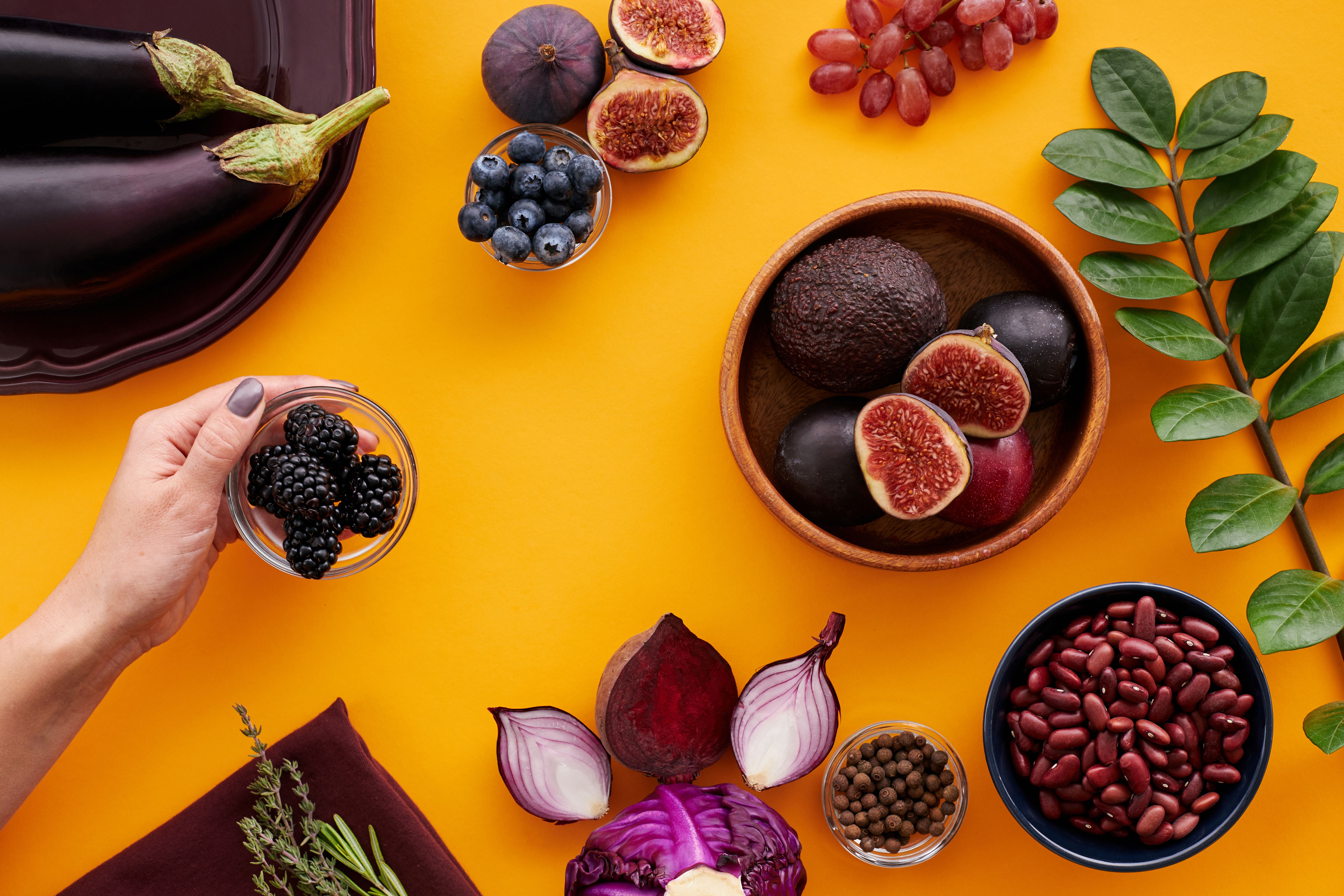
If you are wondering how to boost NAD+ levels naturally, the answer is less about finding a single miracle product and more about building evidence-based habits that support your body's natural biology. NAD+ (nicotinamide adenine dinucleotide) plays an important role in cellular energy production and many processes linked with healthy ageing, which is why it has become a major topic in discussions around longevity.
However, it can be difficult to separate longevity hype versus evidence, particularly when social media often focuses on infusions and quick fixes rather than everyday habits that have scientific support.
In this article, the insights are provided by Vivere's Head of Nutrition, Yusra Serdaroglu Aydin MSc RD, a Dietitian with a background in nutrition, food engineering and culinary arts. Her approach is grounded in science and shaped by a strong understanding of personalised nutrition and the human microbiome.
Drawing on guidance from the NHS and peer-reviewed research, this guide explains what is currently known about supporting NAD+ through nutrition and lifestyle in the UK.
In One Sentence:
The most effective way to support NAD+ (nicotinamide adenine dinucleotide) naturally is by combining regular exercise, a balanced diet containing vitamin B3 (niacin) and protein, good sleep, moderating alcohol intake and other sustainable habits that help maintain cellular energy production and support healthy ageing.
Key Takeaways
What is the best natural way to boost NAD+?
The best natural way to boost NAD+ is through consistent habits including exercise, good nutrition, quality sleep and moderating alcohol rather than relying on a single intervention.
How does exercise help?
Regular physical activity supports the NAMPT rate-limiting enzyme, helping improve NAD+ recycling through the body's natural pathways.
Which foods support NAD+?
Foods rich in vitamin B3 (niacin) and tryptophan, including poultry, fish, eggs, peanuts and wholegrains, provide nutrients that help the body produce NAD+.
Should everyone use NAD+ supplements or injections?
NAD+ supplements, injections and precursor supplements have limited evidence for improving meaningful health outcomes in healthy people and should not replace healthy lifestyle habits.
How can you fix NAD+ levels quickly?
There is no instant fix for raising NAD+, but consistent habits maintained over time are more likely to support long-term health than short-term solutions.
What is the best natural way to boost NAD+?
The best natural way to support NAD+ is by helping your body maintain its own production and recycling systems through healthy daily habits.
Unlike many substances that can simply be eaten or taken as a supplement, NAD+ is constantly produced, used and recycled inside your cells. Regular exercise, eating enough protein and vitamin B3, getting sufficient sleep, limiting excessive alcohol intake and maintaining an overall healthy lifestyle all contribute to the systems involved in NAD+ metabolism.
Rather than searching for a single shortcut, focusing on these habits creates an environment where your body can continue producing and recycling NAD+ efficiently.
Which foods help with NAD+?
Foods that provide vitamin B3 and protein give your body the building blocks it needs to support natural NAD+ production.
A varied diet containing foods such as poultry, fish, eggs, peanuts, wholegrains and other nutrient-rich foods supplies vitamin B3 (niacin) and tryptophan, both of which contribute to the body's production of NAD+.
While no individual food dramatically increases NAD+ on its own, regularly eating balanced meals rich in these nutrients supports the normal biological processes involved in cellular energy production.
Do I need a NAD+ supplement or injection?
Most people should establish healthy nutrition and lifestyle habits before considering NAD+ supplements or injections.
Research into NAD+ supplements and precursor compounds continues to develop, but current evidence suggests they should complement, rather than replace, healthy lifestyle choices. For many people, improving exercise habits, nutrition, sleep and alcohol intake offers a stronger foundation than relying solely on supplements.
Anyone considering injections or supplements should seek appropriate professional advice to determine whether they are suitable for their circumstances.
Can I raise NAD+ quickly?
There is no scientifically proven way to raise NAD+ quickly while also producing lasting health benefits.
Although many products promise rapid results, the biology behind NAD+ is complex. Supporting your body's natural recycling pathways takes time, and improvements are more likely to come from maintaining healthy behaviours consistently than from looking for immediate changes.
Sustainable improvements in exercise, nutrition, sleep and alcohol intake remain the most evidence-based approach.
What Is NAD+ and Why Does It Decline?
NAD+ is a coenzyme that supports cellular energy production, DNA repair and many processes associated with healthy ageing, but its biology is more complex than simply falling with age.
NAD+ is a coenzyme found in every living cell. It helps convert nutrients into cellular energy by supporting the work of the mitochondria, where much of the body's ATP is produced. Beyond energy production, NAD+ is essential for DNA repair and is continually used by proteins including sirtuins, PARPs and CD38, all of which play important roles in maintaining normal cellular function. As these proteins consume NAD+, the body must continually produce and recycle it to keep supplies available [1].
Scientists have observed that NAD+ levels appear to decline in some tissues during ageing, which may contribute to age-related tissue decline. Research measuring human tissue samples found evidence that NAD+ concentrations decreased with increasing age, although the degree of decline varied between tissues and individuals [2]. More recent work has also shown that increasing inflammation can stimulate immune cells expressing CD38, an enzyme that consumes NAD+, providing one explanation for why ageing tissues may lose NAD+ more rapidly [3].
However, newer research has added important context to these findings. A large 2026 study measuring whole-blood NAD+ stability across several human populations found that blood NAD+ levels remained relatively stable across different ages and lifestyle groups. This suggests that simple blood measurements may not accurately reflect what is happening inside specific tissues, highlighting the need for cautious interpretation of decline figures often reported online [4].
Rather than thinking of NAD+ as a single number that inevitably falls throughout life, researchers increasingly view it as part of a highly regulated biological system that differs between tissues and individuals.
"I think NAD+ is one of those topics where it’s easy to get caught up in the numbers. In reality, there isn’t one food, supplement or habit that controls it. The basics still matter most: eating well, staying active, sleeping properly and looking after your overall health. Those habits support the wider systems your body relies on every day, which is much more meaningful than trying to optimise a single marker."
How Can You Increase NAD+ Levels Naturally?
The most effective way to increase NAD+ naturally is by supporting the biological systems that produce and recycle it through healthy daily habits.
Your body is continually making, using and recycling NAD+, so there is no single food or activity that can dramatically increase levels overnight. Instead, a combination of regular exercise, a B3 and protein-rich diet, sufficient sleep, moderating alcohol, sensible meal timing and a polyphenol-rich diet may help support the processes involved in NAD+ metabolism. These habits work through different biological mechanisms, making them complementary rather than competing approaches.
The aim is not perfection but adopting practical actions that can be maintained over the long term.
Does exercise boost NAD+?
Exercise supports the body's natural NAD+ recycling system by increasing the activity of the NAMPT enzyme.
One of the best studied ways to support NAD+ naturally is through regular exercise. Physical activity increases the activity of NAMPT, the key enzyme in the NAD+ salvage pathway, which is responsible for much of the body's NAD+ recycling. Research has shown that NAMPT activity tends to decline with age in human muscle, but both aerobic training and resistance training can increase its expression, helping muscles maintain their ability to recycle NAD+ efficiently [5].
Exercise also appears to influence the amount of NAD+ present within muscle tissue. A human study found that muscle NAD+ levels were generally lower in older adults, but individuals who remained physically active had higher levels than those who were less active. This suggests that remaining active may help preserve normal NAD+ metabolism throughout life, demonstrating that there is a benefit at any age [6].
While more research is still needed to understand exactly how these changes translate into long-term health outcomes, the evidence consistently shows that physical activity supports several of the biological pathways involved in healthy ageing.
Your Action
Following the NHS physical activity guidelines is one of the simplest ways to support your overall health while encouraging the natural systems involved in NAD+ metabolism.
Adults should aim for at least 150 minutes of moderate activity each week or 75 minutes of vigorous activity, alongside muscle-strengthening exercise on at least two days every week [7]. Activities such as brisk walking, cycling, running and regular strength sessions can all contribute. Rather than exercising intensely for a short period before stopping, focus on consistency over intensity, as regular movement is more likely to produce lasting benefits.
Which foods support NAD+ production?
A varied diet rich in vitamin B3, protein and other essential nutrients provides the building blocks your body uses to produce NAD+.
Unlike some nutrients, NAD+ itself is not something we obtain directly from food in meaningful amounts. Instead, the body creates it using compounds including vitamin B3 (niacin) and the amino acid tryptophan.
The process begins with niacin-to-NAD+ synthesis, where vitamin B3 is converted into NAD+ through a series of biochemical reactions. The body can also use tryptophan-to-niacin conversion, although this pathway depends on adequate amounts of other nutrients including iron, vitamin B6 and riboflavin.
Fortunately, these nutrients are found in many everyday foods that fit easily into a varied UK diet. Good sources include poultry, fish, eggs, peanuts, wholegrains, legumes and dairy products. Eating a range of these foods alongside fruit and vegetables helps provide the nutrients your cells require to maintain normal energy metabolism [8] [9].
The NHS also highlights that niacin contributes to normal energy release from food and is available from a wide variety of commonly eaten foods, meaning most people can meet their needs through a balanced diet [8]. Although food alone is unlikely to dramatically increase NAD+, consistently meeting your nutritional needs supports the body's natural production pathways.
"A simple way to build meals is to include a palm-sized protein portion, such as chicken, salmon or tofu, alongside wholegrains and plenty of colourful vegetables. It's dietary variety, rather than focusing on one superfood, that gives your body the nutrients it needs to support healthy metabolism."
Can intermittent fasting raise NAD+?
Intermittent fasting may influence pathways involved in NAD+ metabolism, but the evidence in humans remains limited.
Interest in intermittent fasting and time-restricted eating has grown because fasting activates biological pathways involving AMPK and sirtuins, both of which interact with NAD+ metabolism. Much of the enthusiasm comes from laboratory and animal research, where fasting can influence these pathways under tightly controlled conditions.
Human evidence is less clear. A recent review found that time-restricted eating may improve body weight and certain metabolic markers for some people, but results remain inconsistent and depend on factors such as dietary quality, lifestyle and individual health [10]. This highlights the difference between animal data versus human evidence, reminding us that findings from laboratory studies do not always translate directly into everyday practice.
For people who choose fasting, maintaining a sensible eating window should never come at the expense of nutritional quality. A balanced diet that provides adequate protein, fibre, vitamins and minerals remains far more important than the specific timing of meals. Overall diet quality continues to have the strongest evidence for supporting long-term health.
Fasting is Not For Everyone
Intermittent fasting should only be considered if it is appropriate for your personal circumstances.
There are several important fasting contraindications. Fasting is generally not recommended during pregnancy, breastfeeding, for anyone under 18, or for people with a disordered eating history. It may also require medical supervision for individuals taking glucose-lowering medication or living with diabetes, because fasting can affect blood sugar control.
If you are unsure whether fasting is suitable, speak with your GP or a registered dietitian before making significant dietary changes.
How do sleep and alcohol affect NAD+?
Healthy sleep patterns and moderate alcohol intake help support the natural rhythms involved in NAD+ metabolism.
Your body produces NAD+ according to an internal circadian clock that regulates many aspects of metabolism. Scientists discovered that the clock controls the daily activity of the NAMPT rhythm, creating regular fluctuations in NAD+ daily rhythm throughout the day [11] [12]. These cycles help coordinate energy production, cellular repair and other essential biological processes.
When sleep becomes irregular, these natural rhythms may become disrupted. Shift work, frequent late nights and irregular sleep patterns can all interfere with the body's internal clock, potentially affecting the timing of normal NAD+ production.
Alcohol also has an important relationship with NAD+. During alcohol metabolism, the body uses NAD+ in several biochemical reactions, particularly within the liver. While moderate alcohol intake within recommended limits can fit into a healthy lifestyle for some people, excessive drinking places additional demands on liver NAD+ metabolism.
The UK Chief Medical Officers' drinking guidelines advise adults not to regularly drink more than 14 units of alcohol per week, spread across several days, helping reduce alcohol-related health risks [13].
Your Action
Supporting your body's natural clock starts with maintaining regular daily habits.
Aim for a consistent sleep schedule, exposing yourself to morning daylight soon after waking to reinforce your body clock. If you drink alcohol, follow the UK Chief Medical Officers' guidelines by keeping intake below 14 units of alcohol per week and including regular drink-free days during the week. Small daily habits often have a greater impact than occasional intensive health changes.
Do polyphenols like quercetin and apigenin help?
Polyphenols show interesting laboratory findings, but there is currently limited evidence that dietary amounts significantly increase NAD+ in humans.
Certain polyphenols, particularly quercetin and apigenin, have attracted attention because laboratory studies suggest they may influence CD38, an important NAD+-consuming enzyme involved in age-related NAD+ decline.
Research in mice identified CD38 as a key contributor to age-related reductions in NAD+, making it an important target for future research [14]. Separate laboratory work found that the flavonoids apigenin and quercetin inhibited CD38 activity in cells, while apigenin increased NAD+ and improved several metabolic measures in obese mice [15].
Although these findings are scientifically interesting, they come from laboratory and animal studies, not large human clinical trials. This means there is still uncertainty about whether the dietary dose limitation of these compounds is sufficient to produce similar effects in people.
Fortunately, foods naturally rich in these compounds can still form part of a healthy dietary pattern. Red onions, apples, parsley, capers and green tea all provide polyphenols alongside many other beneficial plant compounds. Rather than relying on one ingredient, aiming for an anti-inflammatory diet rich in colourful fruit, vegetables, herbs, wholegrains and legumes is a practical way to support overall health.
What About NAD+ Supplements Like NMN and NR?
NAD+ precursor supplements can increase blood NAD+ levels, but current human evidence shows only modest functional benefits, and they should not replace healthy lifestyle habits.
Interest in NAD+ supplements has grown rapidly, particularly products containing NAD+ precursors such as nicotinamide riboside (NR) and nicotinamide mononucleotide (NMN). These compounds provide raw materials that the body can use to produce NAD+, and several clinical trials have shown they can lead to blood NAD+ elevation.
Research involving nicotinamide riboside found that supplementation was generally well tolerated and successfully increased NAD+ levels in adults, although improvements in physical function and other health outcomes remained preliminary [16]. Another placebo-controlled study in obese men reported that NR safely increased NAD+ metabolites but did not significantly improve insulin sensitivity or blood lipid levels [17].
Studies investigating NMN have produced similar findings. Supplementation increased blood NAD+ concentrations and showed some encouraging signals in selected measures, but there was no significant improvement across most clinical outcomes that researchers assessed [18].
These findings highlight an important point. Raising NAD+ in the bloodstream does not automatically translate into meaningful improvements in health, longevity or disease prevention. At present, there remains limited human evidence that NAD+ precursor supplements produce substantial clinical benefits for healthy individuals.
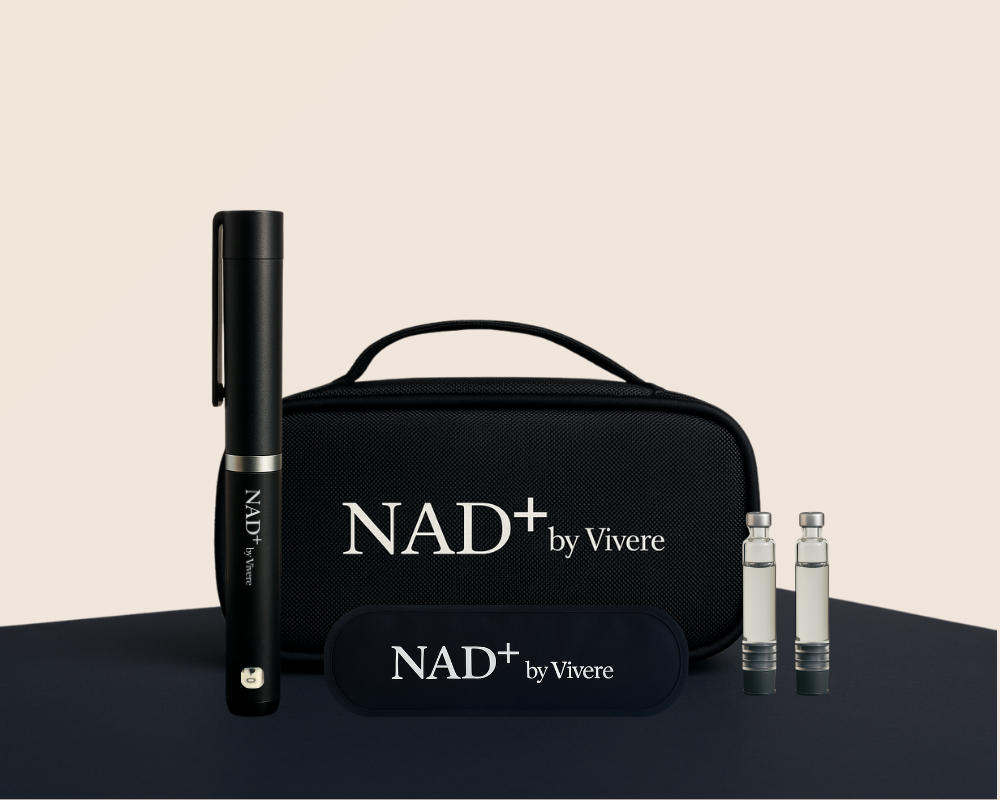
Vivere NAD+ injections deliver high-purity NAD+ subcutaneously, making them the highest standard of NAD+ supplementation available.
Know the UK Position
Understanding the legal status of NAD+ precursor products is important before purchasing them.
In Great Britain, nicotinamide riboside authorised novel food products can legally be sold as a food supplement because they have received approval under the relevant regulations [19].
By contrast, NMN-not-authorised products are not currently approved as a food supplement in Great Britain. Consumers should therefore be cautious when purchasing NMN products that claim to be suitable for routine supplementation in the UK.
"Supplements should be seen as the final 10%, not the starting point. Before considering precursor supplements, focus on the foundations including exercise, nutritious food, quality sleep and sensible alcohol intake. If supplements are appropriate, they should be used with professional guidance and realistic expectations, because the evidence suggests they are secondary, not foundational to a healthy lifestyle."
Frequently Asked Questions
Can you absorb NAD+ directly from food?
Your body mainly relies on precursor nutrients rather than absorbing NAD+ directly from the foods you eat.
During digestion, NAD+ from food is largely broken down into smaller compounds rather than being absorbed intact. Your body can then make NAD+ from nutrients and precursors including forms of vitamin B3, such as niacin and nicotinamide, as well as from the amino acid tryptophan. This is why maintaining a balanced diet that provides vitamin B3 and adequate protein is more relevant to supporting normal NAD+ metabolism than focusing on foods marketed as containing NAD+.
What depletes NAD+ levels the fastest?
Ageing, chronic inflammation and lifestyle factors can all increase the demand for NAD+ within the body.
Normal ageing influences several biological pathways associated with NAD+ depletion. Increased activity of proteins such as PARPs and CD38, particularly during chronic inflammation, increases the amount of NAD+ being used by cells. Lifestyle factors including heavy alcohol use and persistent poor sleep may also place additional demands on NAD+-dependent processes, reinforcing the importance of healthy daily habits.
Is NMN legal to buy in the UK?
NMN is not currently authorised as a food supplement in Great Britain.
According to the Food Standards Agency, NMN legality differs from that of nicotinamide riboside. NMN is not authorised as a novel food in Great Britain and therefore is not currently approved for routine sale as a food supplement. Nicotinamide riboside authorised products, however, are permitted under the current regulatory framework [19].
How long does it take to raise NAD+ naturally?
Supporting NAD+ naturally is a gradual process rather than an overnight change.
There is no instant fix, and there is currently no reliable home test that can accurately measure what is happening to NAD+ within different tissues of the body. Improvements are more likely to come from consistent habits, including regular exercise, a balanced diet, good sleep and moderating alcohol intake over weeks and months rather than days.
Does caffeine or coffee affect NAD+?
Coffee is not considered a direct NAD+ booster, although it can fit within a healthy lifestyle.
Coffee contains caffeine as well as various polyphenols, but current evidence does not support coffee as a specific treatment for increasing NAD+. Drinking moderate amounts is suitable for many healthy adults, but consuming late caffeine may disrupt sleep, which in turn can affect your natural NAD+ rhythm and broader metabolic health. Maintaining healthy sleep habits remains more important than relying on coffee for any potential effect on NAD+.
Nutritionist's Corner: Final Thoughts
“Supporting NAD+ is about strengthening the systems your body already has rather than searching for a quick fix. Sustainable habits remain the strongest foundation for long-term health. Regular exercise helps stimulate the NAMPT enzyme involved in NAD+ recycling, while eating enough protein from foods such as chicken, fish, eggs and peanuts, alongside B3-rich foods, wholegrains, a varied colourful diet, plenty of vegetables and fruit, provides the nutrients needed to support normal metabolism.
Prioritising sleep helps maintain your natural body clock, while moderating alcohol reduces unnecessary demands on liver NAD+ metabolism. Although precursor supplements such as NR and NMN continue to be studied, NMN is not currently authorised as a novel food supplement in Great Britain, lifestyle habits continue to offer the strongest addition for supporting cellular energy production and promoting healthy ageing. If you are considering supplements or injectable treatments, seeking professional guidance can help ensure they are suitable for your individual circumstances.”
Vivere helps you take control of your health with personalised insights from state-of-the-art gut microbiome testing, nutritional guidance, science-backed supplements, NAD injections and expert support. Sign up today and start living better, for longer.
Sources
[2] Age-Associated Changes In Oxidative Stress and NAD+ Metabolism In Human Tissue | PLOS One
[4] Human whole-blood NAD+ levels do not vary with age or lifestyle interventions | Nature Metabolism
[7] Physical activity guidelines for adults aged 19 to 64 - NHS
[8] Vitamins and minerals - B vitamins and folic acid - NHS
[9] Niacin Deficiency - StatPearls - NCBI Bookshelf
[11] Circadian Clock Feedback Cycle Through NAMPT-Mediated NAD+ Biosynthesis | Science
[12] Circadian Control of the NAD+ Salvage Pathway by CLOCK-SIRT1 | Science
[13] Alcohol consumption: advice on low risk drinking - GOV.UK
[15] Flavonoid Apigenin Is an Inhibitor of the NAD+ase CD38 | Diabetes
[17] Corrigendum | Aesthetic Surgery Journal | Oxford Academic
Author

Yusra Serdaroglu Aydin, MSc RD
Head of Nutrition and Registered Dietitian
Yusra is a nutritionist with a multidisciplinary background in nutrition, food engineering, and culinary arts. During her education, her curiosity abo...