Optimising Your Wellness For Summer Time
Last Updated: 19 June 2026
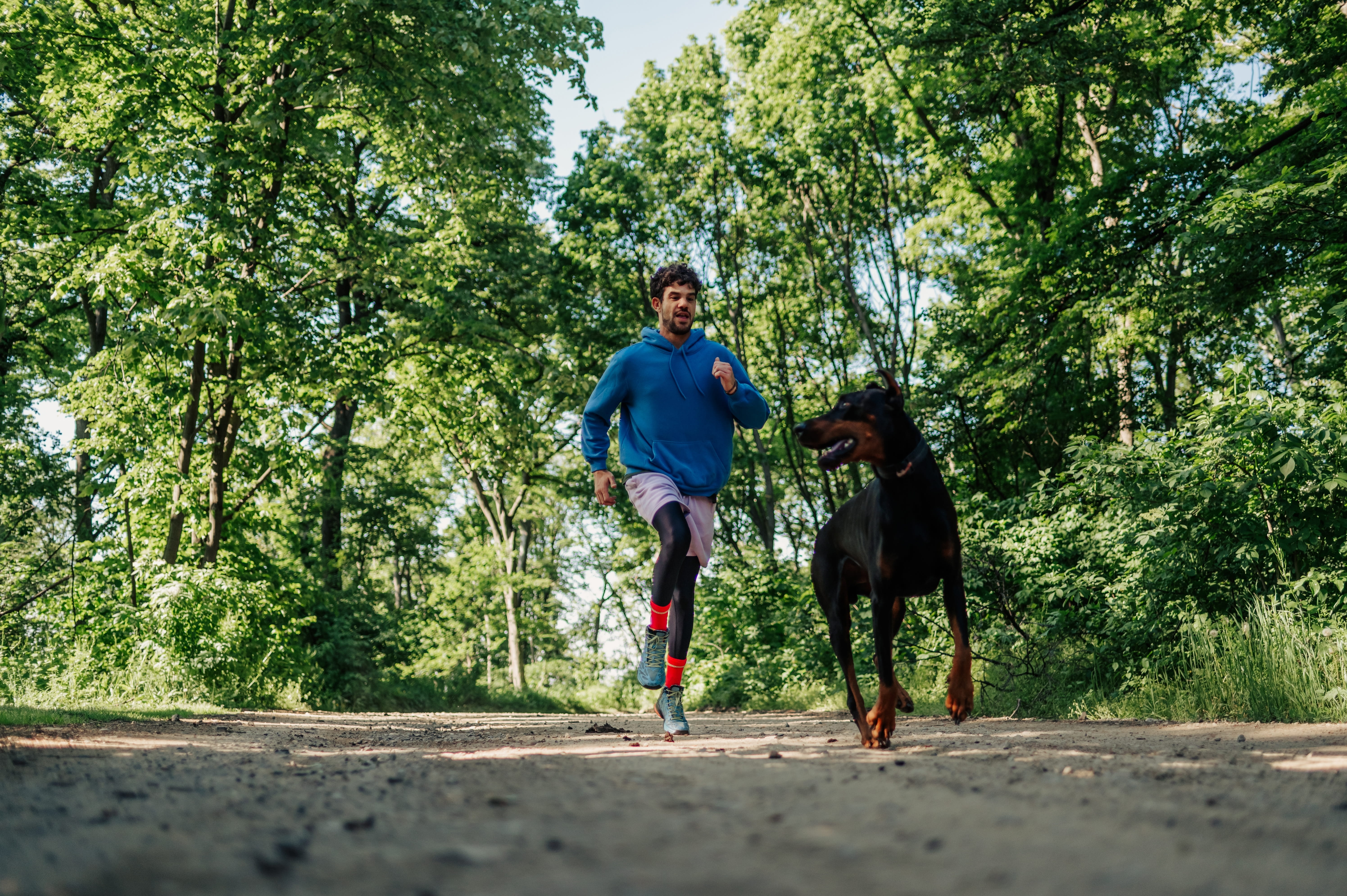
Summer wellness starts with small daily choices that support your digestion, hydration, energy levels and overall physical health during the warmer months. Whether you are spending more time outdoors, exercising in the sunshine or adjusting your eating habits, healthy snacks and lifestyle changes can help improve vitality and support body conditioning throughout summer.
The insights provided in this article are informed by Vivere’s Head of Nutrition, Yusra Serdaroglu Aydin, a registered dietitian with a background in nutrition, food engineering and culinary arts. Her approach is grounded in science and shaped by a strong understanding of personalised nutrition and the human microbiome, helping people build healthy habits that support long-term wellbeing.
In One Sentence:
The healthiest summer snacking options are nutrient-rich whole foods that support digestion, hydration, energy levels and overall summer wellness.
Key Takeaways
Improving digestion with gut testing, probiotics and whole foods can help support good bacteria and reduce bloating during summer.
Vitamin D, electrolytes and hydration-focused supplements may help maintain energy levels and support water replacement when sweating in the heat.
Safe weight management before summer should focus on balanced nutrition, regular exercise and sustainable healthy habits rather than extreme dieting.
Outdoor activities such as brisk walking and swimming can support physical health while helping you stay active during warmer weather.
Drinking more water in summer helps replace fluids lost through sweat and supports hydration, energy levels and body temperature regulation.
How does gut testing help your summer health?
Gut testing can help improve your summer health by providing insights into your gut microbiome, digestion and overall digestive system function.
The gut microbiome plays a major role in food absorption, stomach health and immune response, making gut testing a useful tool for understanding how your body reacts to certain foods and lifestyle habits during summer. A healthy balance of good bacteria may support microbiome diversity, reduce bloating and help support normal immune function during periods of dietary change or increased travel. Research suggests that the gut microbiome also interacts closely with immune health and inflammation, highlighting the importance of maintaining a healthy digestive system [1] [2].
During summer, many people change their eating patterns by consuming more cold foods, sugary drinks or convenience snacks, which can affect digestion and gut health. Gut testing offered through Vivere can provide personalised information about your microbiome diversity and support better dietary choices based on your individual needs. This may help identify foods that support digestion while reducing discomfort, such as bloating or irregular digestion.
Supporting your gut microbiome through fibre-rich whole foods, fermented foods and balanced nutrition may also encourage healthier good bacteria. Foods such as yoghurt, kefir, oats, berries and leafy vegetables can contribute to better digestive health while supporting overall summer wellness.
What are the best supplements for summer wellness?
The best supplements for summer wellness are those that support hydration, energy levels and nutritional balance during periods of increased heat and sunshine.
Nutritional supplements can help fill diet gaps that may develop when appetite changes during hot weather or when people become more physically active outdoors. Vitamin D remains important even during summer because some people still do not get enough consistent sun exposure, especially those who spend most of their time indoors or use high levels of sun protection. People at higher risk of deficiency may need vitamin D year-round. Vitamin D supports bone strength, immune function and mood enhancement [3].
Probiotics
Probiotics may also support digestion and gut health by helping maintain healthy bacteria in the digestive system. Combined with hydration and a balanced diet, probiotics may help reduce digestive discomfort during summer travel or changes in eating habits.
Electrolytes
Electrolytes are another important consideration during hot weather because sweat leads to the loss of minerals such as sodium, potassium and magnesium. Electrolytes help maintain water balance and may support energy levels, particularly after exercise or long periods outdoors. Coconut water, bananas and yoghurt can naturally provide some electrolytes while also contributing to hydration.
Supplements should support, rather than replace, a healthy diet. Whole foods, including fresh fruits, vegetables, lean proteins and healthy fats, remain essential for maintaining overall health during summer.
How can you achieve healthy weight loss for summer?
Healthy weight loss for summer should focus on balanced healthy eating habits, regular movement and realistic long-term goals.
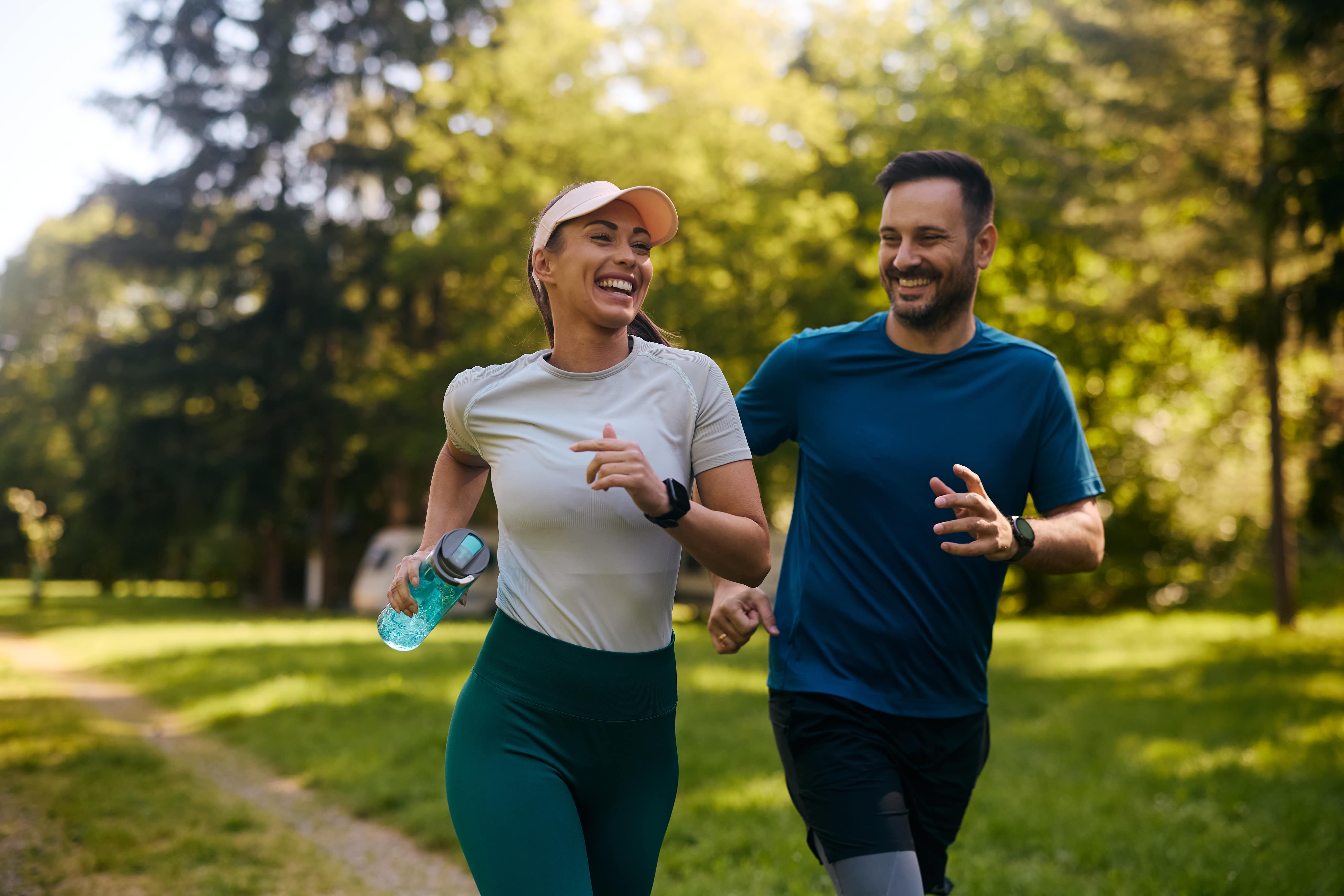
Many people try restrictive diets before summer, but rapid weight loss methods can negatively affect metabolism, energy and overall physical health. Research has shown that the timing of food intake and healthy metabolic function may influence weight management outcomes [4].
Diet
A sustainable approach to weight loss includes prioritising whole foods such as vegetables, fresh fruits, whole grains, legumes and lean proteins. These foods can help support metabolism while providing nutrients that promote fullness and stable energy levels. Portion control also plays an important role in reducing excess calorie intake without creating extreme food restrictions.
Water
Water intake can also influence weight management. Drinking water before meals may support appetite control and help prevent unnecessary snacking. Hydrating foods such as cucumber, watermelon and strawberries may support both nutrition and fluid intake during warmer weather.
Exercise
Daily movement remains one of the most effective ways to support body fat reduction and improve physical health. Walking, cycling, swimming and home workouts can help increase calorie use while supporting cardiovascular health and muscle strength.
Healthy weight loss should always prioritise overall well-being rather than appearance alone. Building healthy eating habits that can be maintained throughout the year is more beneficial than short-term dieting trends.
What is the best exercise routine for summer?
The best exercise routine for summer combines regular physical activity with safe timing, hydration and recovery practices.
Daily exercise during summer can improve cardiovascular health, support muscle strength and benefit mental happiness when performed safely. Research has shown that regular exercise positively supports both physical and mental well-being.
Outdoor activities such as brisk walking, swimming and cycling are popular during warmer months because they encourage movement while allowing people to enjoy fresh air and sunshine. Swimming may be especially beneficial because it provides full-body exercise while placing less pressure on joints.
Morning workouts are often safer and more comfortable than exercising during the hottest parts of the day, between 11am and 3pm. Early exercise may help reduce the risk of overheating while supporting better energy levels throughout the day [5]. Stretching before and after exercise can also help improve flexibility and reduce muscle tightness.
People exercising in hot weather should pay attention to hydration, clothing and recovery. Wearing lightweight clothing and taking regular water breaks can help maintain comfort and support safer physical activity.
Consistency is more important than intensity. Moderate exercise performed regularly is often more sustainable and beneficial than extreme workout routines.
Why is hydration so important in summer?
Hydration is especially important in summer because the body loses more fluids through sweat during hot weather.
Proper hydration supports water balance, body temperature regulation and healthy energy levels. Research shows that dehydration can negatively affect both physical performance and cognitive function, even at mild levels [6].
When the body loses fluids through sweat, it also loses electrolytes that help regulate important functions. Without adequate drinking water and fluid intake, people may experience dizziness, headaches, fatigue and poor concentration. Carrying a reusable water bottle can make it easier to maintain hydration throughout the day.
Hydrating foods can also contribute to fluid intake. Watermelon, cucumber, tomatoes and oranges contain high water content while providing vitamins and minerals that support overall health. These foods can make healthy summer snacks more refreshing and satisfying.
People who exercise regularly or spend long periods outdoors may need additional fluids to replace water lost through sweat. It is important to drink water consistently throughout the day rather than waiting until thirst becomes noticeable.
Limiting excessive alcohol and sugary drinks may also support healthier hydration habits during summer heat.
How can you protect your skin health?
Protecting your skin health during summer involves limiting excessive UV rays exposure and supporting the skin barrier through proper sun protection.
Exposure to UV rays increases the risk of sunburn, premature skin damage and skin cancer, making sunscreen an essential part of daily summer health habits. Research supports the effectiveness of sunscreen in reducing skin damage caused by ultraviolet exposure [7].
Sunscreen
Broad-spectrum sunscreen with at least SPF 30 and good UVA protection should be applied regularly, especially during outdoor activities or extended periods in direct sunlight. Even during cloudy weather, UV rays can still affect the skin, so sun protection remains important regardless of visible sunshine.
Shade
Seeking shade during the hottest parts of the day may help reduce excessive exposure to sunlight. Wearing protective clothing, sunglasses and hats can also support skin health and reduce the risk of sunburn.
Hydration and Nutrition
Hydration and nutrition may also support the skin barrier. Drinking enough water and eating foods rich in antioxidants, such as berries, tomatoes and leafy greens, may help support healthier skin during summer.
Simple hot weather precautions can help maintain skin comfort while reducing long-term skin damage risks.
How does summer daylight affect your sleep routine?
Summer daylight can affect your sleep routine by changing your circadian rhythm and influencing sleep quality.
Longer daylight hours may affect the body’s natural clock, making it harder for some people to fall asleep or maintain consistent waking hours. Research highlights the relationship between circadian rhythm, brain function and overall mental wellbeing [8].
Natural Daylight
Exposure to natural daylight during the morning may support healthier sleep patterns and improve alertness during the day. However, excessive evening light exposure can sometimes delay resting patterns and reduce sleep quality.
Bedroom Environment
Creating a darker bedroom environment may help support better sleep during summer. Blackout curtains, cooler room temperatures and reduced screen use before bedtime may encourage more restful sleep.
Sleep Routine
A consistent sleep routine also supports immune system health, mental wellbeing and overall energy levels. Going to bed and waking up at similar times each day may help maintain a more stable circadian rhythm.
Quality sleep supports many areas of health, including digestion, mood and physical recovery, making it an important part of overall summer wellness.
Nutritionist's Corner: Final Thoughts
“Maintaining good health during summer often comes down to gentle consistency and practical habits that support the body’s natural needs. Focusing on gut health, digestion, hydration, balanced nutrition and regular movement can help improve energy and support physical and mental wellbeing during warmer months. Healthy snacks rich in whole foods, combined with good sleep routine habits, skin protection and mindful hydration, may help support long-term vitality while making summer feel more enjoyable and sustainable.”
Vivere helps you take control of your health with personalised insights from state-of-the-art gut microbiome testing, nutritional guidance, science-backed biohacking supplements, NAD+ supplementation and expert support. Sign up today and start living better, for longer.
Sources
[4] Timing of food intake predicts weight loss effectiveness - PMC
[6] Cognitive performance and dehydration - PubMed
[7] Sunscreen and Prevention of Skin Aging: A Randomized Trial: Annals of Internal Medicine
[8] Seasonality of human sleep: Polysomnographic data of a neuropsychiatric sleep clinic
Author

Yusra Serdaroglu Aydin, MSc RD
Head of Nutrition and Registered Dietitian
Yusra is a nutritionist with a multidisciplinary background in nutrition, food engineering, and culinary arts. During her education, her curiosity abo...
Peer Reviewed by
Yusra Serdaroglu Aydin, MSc RD
Head of Nutrition and Registered Dietitian
Yusra is a nutritionist with a multidisciplinary background in nutrition, food engineering, and culinary arts. During her education, her curiosity abo...