The A to Z of Oral Care: How Looking After Your Mouth Supports Your Gut and Healthy Ageing
Last Updated: 31 July 2026
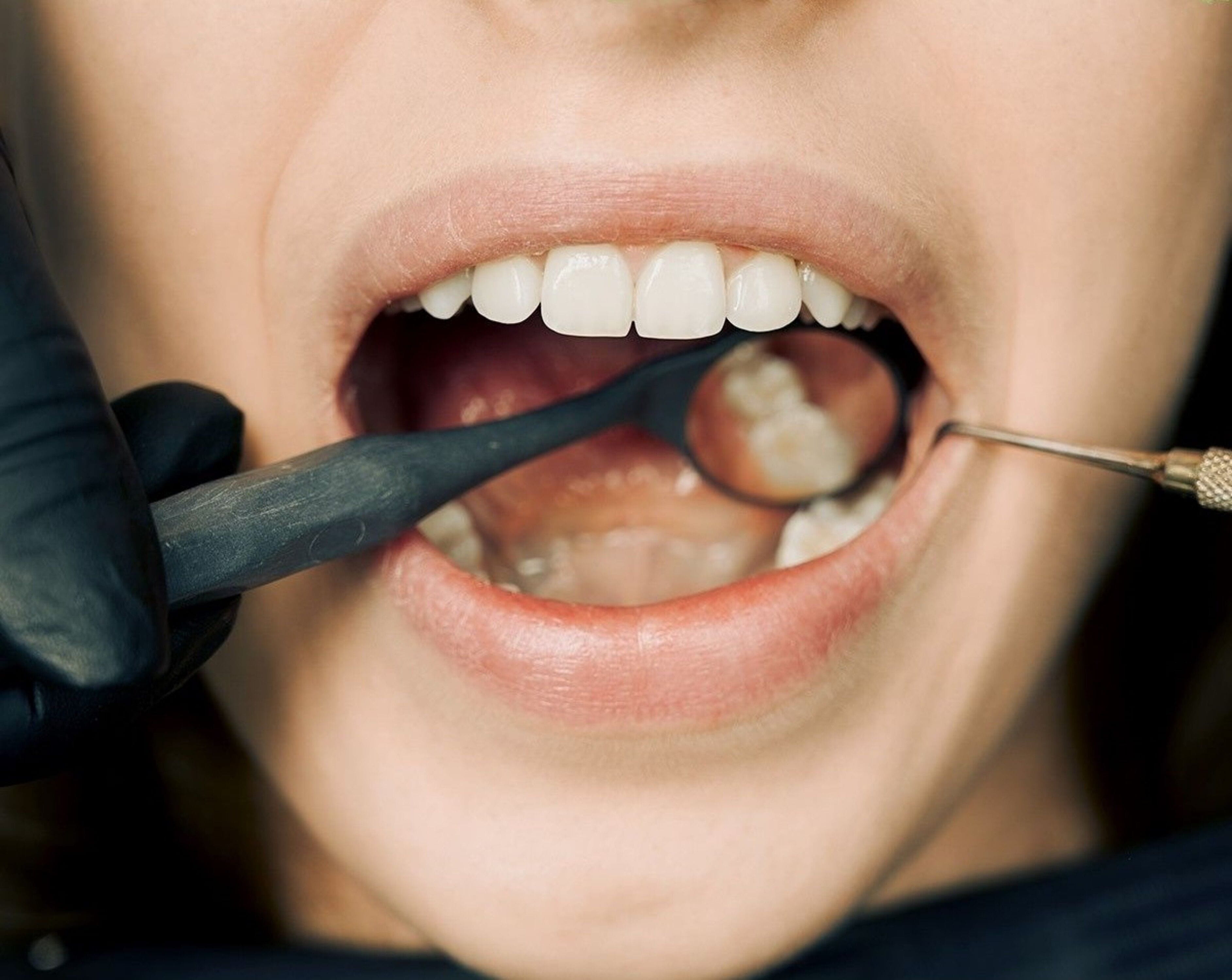
Oral care is about much more than keeping your teeth looking clean, because your oral microbiome, gum health and daily habits can influence whole-body inflammation, the gut and healthy ageing.
The insights in this article are provided by Yusra Serdaroglu Aydin MSc RD, Head of Nutrition and Registered Dietitian at Vivere, whose background in nutrition, food engineering and culinary arts helps bring together evidence from the NHS, the General Dental Council and peer-reviewed journals within the nutrition and lifestyle scope.
As part of this oral care A to Z UK guide, we will explore oral health, teeth, gums, the tongue, the oral microbiome, gut health, healthy ageing and biological ageing, alongside growing evidence that links gum health with wider health outcomes through inflammatory pathways and the movement of oral bacteria throughout the body [1] [2].
In One Sentence:
Looking after your teeth, gums and tongue through effective cleaning and healthy habits supports oral health, helps protect the mouth as the entry point to the gut and may reduce the impact of chronic gum inflammation, and associated systemic inflammation, heart disease and type 2 diabetes risk factors.
Key Takeaways
What is the link between oral health and healthy ageing?
Good oral health may help reduce whole-body inflammation, which is associated with biological ageing and long-term health.
Can your mouth affect your gut?
Yes, the mouth affects the gut because swallowing oral bacteria is a normal process, and gum disease may alter the oral-gut axis.
What is the single best thing I can do for my teeth?
Brush twice daily with fluoride toothpaste to help protect enamel from acid attacks.
How can your diet affect mouth bacteria?
Cutting sugary snacks and drinks can reduce the fuel available to bacteria that contribute to tooth decay.
Can oral health benefit overall well-being?
Looking after your gums, teeth and tongue supports a healthier oral environment and may benefit overall wellbeing.
What do the key oral care terms mean, from A to Z?
Understanding oral care vocabulary helps make medical terms, everyday terms and healthy habits easier to follow.
“Understanding oral care terminology can make it easier to see how the different parts of the mouth work together. Teeth, gums, the tongue, saliva and the oral microbiome all contribute to the oral environment. Becoming familiar with this language provides helpful context for understanding oral care and its possible links with the gut and wider wellbeing.”

What is the oral-gut axis, and how does it affect the rest of my body?
The oral-gut axis describes the two-way relationship between the mouth, digestive tract and wider body systems.
Scientists are exploring whether oral bacteria influence inflammatory markers such as C-reactive protein and whether these processes contribute to conditions linked with periodontitis, cardiovascular disease and type 2 diabetes. Current evidence often demonstrates association rather than causation, meaning these links do not necessarily prove that oral disease directly causes other conditions [3].
“Every day we swallow large numbers of oral bacteria, linking the mouth directly with the digestive tract. Emerging research suggests that in some circumstances, particularly when gum disease or periodontitis is present, species such as Porphyromonas gingivalis and Fusobacterium nucleatum may survive stomach acid or reach the gut through the bloodstream. Researchers propose that this process may contribute to gut colonisation, dysbiosis, changes in the intestinal barrier and systemic inflammation.”
Curious about your own baseline?
Understanding your gut microbial balance can provide additional context alongside good health practices.
Vivere Gut Microbiome Testing can offer insights into your gut microbial balance and provide personalised recommendations, helping you build a broader picture of your digestive health and overall wellbeing alongside healthy lifestyle habits.
Which foods and nutrients protect your teeth and Gums?
A balanced diet rich in protective nutrients can support healthy teeth, gums and oral tissues.
A randomised trial on diet and gum inflammation has shown that dietary patterns lower in simple carbohydrates and richer in omega-3 fats, vitamin C, and vitamin D may reduce signs of gum inflammation [4]. A review of diet and oral health also suggests that reducing free sugars while increasing fibre-rich and antioxidant-rich foods can support oral health, while deficiencies in calcium, phosphate, vitamin D and vitamin C may negatively affect enamel integrity and gum health [5].
A simple tooth-friendly meal ending can include cheese, nuts and water rather than a sugary dessert. Evidence suggests that foods such as cheese, peanuts and wholegrains can stimulate saliva, helping with buffering acids in the mouth [6].
The World Health Organisation recommends limiting free sugars to less than 10% of total energy intake, with further benefits potentially seen below 5% [7].
“Diet and oral health are closely connected. It is not only how much sugar we have, but how often we have it that matters. Regularly sipping sugary drinks or grazing on sweet foods throughout the day can increase the risk of tooth decay. Keeping sugary foods mainly to mealtimes and choosing water between meals are simple ways to reduce repeated sugar exposure.”
How can you keep your breath fresh and clean your tongue properly?
Cleaning the tongue can help reduce the bacteria and debris that contribute to everyday bad breath.
Everyday bad breath often originates from tongue coating, especially on the posterior tongue, where odour-causing bacteria produce volatile sulphur compounds. Evidence from a Cochrane review on tongue cleaning found that tongue scraping showed a statistically significant reduction in volatile sulphur compounds compared with toothbrushing alone, although the evidence base was relatively small [8]. A systematic review also evaluated tongue scraping and tongue brushing as methods to reduce tongue coating and oral malodour [9].
Copper is an antimicrobial material, which is one reason some people choose tools such as the Vivere Copper Tongue Scraper as part of their routine. Tongue cleaning should be viewed as an addition that complements brushing and flossing rather than replacing them.
Experts’ fresh-breath basics:
Fresh breath is best supported through consistent daily oral hygiene habits.
Clean your tongue daily. Gently scrape from back to front.
Stay hydrated to reduce dry mouth.
Brush and clean between teeth regularly.
Seek advice from a dentist or GP if persistent bad breath continues, as it may be linked with gum disease or other health concerns.
How does Vivere fit into your oral care routine?
Vivere supports a whole-system approach to wellbeing that complements professional care.
Good oral health depends primarily on effective daily care, supported by dental examinations at an interval based on individual clinical need. Vivere focuses on understanding wellbeing through personalised testing, nutritional guidance and evidence-based health insights. This whole-system approach complements professional dental care by helping people consider how nutrition, gut health, inflammation and healthy ageing may interact with oral health.
Frequently Asked Questions
How does gum disease affect your biological age?
Periodontitis may contribute to low-grade inflammation that is associated with biological ageing processes.
Researchers increasingly discuss the concept of inflammaging, which refers to persistent low-level inflammation that develops with age. Periodontitis can be associated with elevated inflammatory markers in blood, making gum health part of a broader healthy-ageing strategy. However, gum disease should be viewed as an associated risk factor rather than a standalone cause of biological ageing.
Why is a copper tongue scraper good for oral health?
Tongue scraping can help reduce tongue coating and bacteria that contribute to bad breath.
Tongue coating contains bacteria that produce volatile sulphur compounds linked with everyday bad breath. Short-term studies suggest tongue scraping may perform better than brushing alone for reducing these compounds. Copper is an antimicrobial material and a durable tool, making it a popular choice for tongue cleaning alongside brushing and flossing.
Can poor oral hygiene cause gut microbiome problems?
Emerging research suggests that oral health may influence the gut microbiome through the oral-gut axis.
When gum disease is present, swallowing large numbers of oral bacteria may become more significant. Researchers are investigating how species such as Porphyromonas gingivalis may survive stomach acid, contribute to gut colonisation, promote dysbiosis and influence inflammation. While the oral-gut axis is an active area of research, many findings remain emerging rather than definitive.
Is tooth whitening legal in the UK?
Tooth whitening is regulated in the UK and must follow specific professional standards.
According to the General Dental Council, tooth whitening is considered a practice of dentistry and should be carried out by a registered dental professional. Products containing hydrogen peroxide between 0.1% and 6% may be used within legal requirements. Concentrations above 6% are not permitted for cosmetic tooth whitening, and treatment provided by unqualified salon staff may constitute illegal whitening.
Does what I eat really affect my gums?
Diet plays an important role in supporting gum health alongside good oral hygiene.
Free sugars feed decay-causing bacteria, while nutrients such as vitamin C support healthy gum tissue. A varied minimally processed diet may help create a healthier oral microbiome environment, but it should work alongside brushing, flossing and regular dental visits rather than replacing them.
Nutritionist's Corner: Final Thoughts
“Understanding the oral care A to Z is important because it helps make sense of the different factors that support a healthy mouth and how they fit together. The mouth is not separate from the rest of the body; it has its own microbiome, forms the first part of the digestive tract and may be linked with wider areas of health that researchers are still exploring. From a dietitian’s perspective, everyday habits can make a real difference. Brushing twice a day with fluoride toothpaste, cleaning between the teeth and the tongue, limiting how often free sugars are consumed, staying well hydrated, avoiding smoking and attending dental appointments as advised all help support oral health. A varied diet that provides nutrients such as calcium and vitamin C also plays a supportive role. While some of the links between oral health, the gut, inflammation and healthy ageing are still emerging, these simple habits remain a practical way to look after the mouth as part of overall wellbeing.”
Vivere helps you take control of your health with personalised insights from state-of-the-art gut microbiome testing, nutritional guidance, science-backed supplements, NAD injections and expert support. Sign up today and start living better, for longer.
Sources
[2] The interrelationship between periodontal disease and systemic health | British Dental Journal
[5] From Diet to Oral and Periodontal Health: Exploring the Crucial Role of Nutrition—A Narrative Review
[6] Diet and Nutrition to Prevent Dental Problems - StatPearls - NCBI Bookshelf
[7] Guideline: sugars intake for adults and children
[8] Tongue scraping for treating halitosis - Outhouse, TL - 2016 | Cochrane Library
Author

Yusra Serdaroglu Aydin, MSc RD
Head of Nutrition and Registered Dietitian
Yusra is a nutritionist with a multidisciplinary background in nutrition, food engineering, and culinary arts. During her education, her curiosity abo...