Liposomal NAD+ Supplements vs Traditional Oral NAD+ Capsules
Last Updated: 25 June 2026
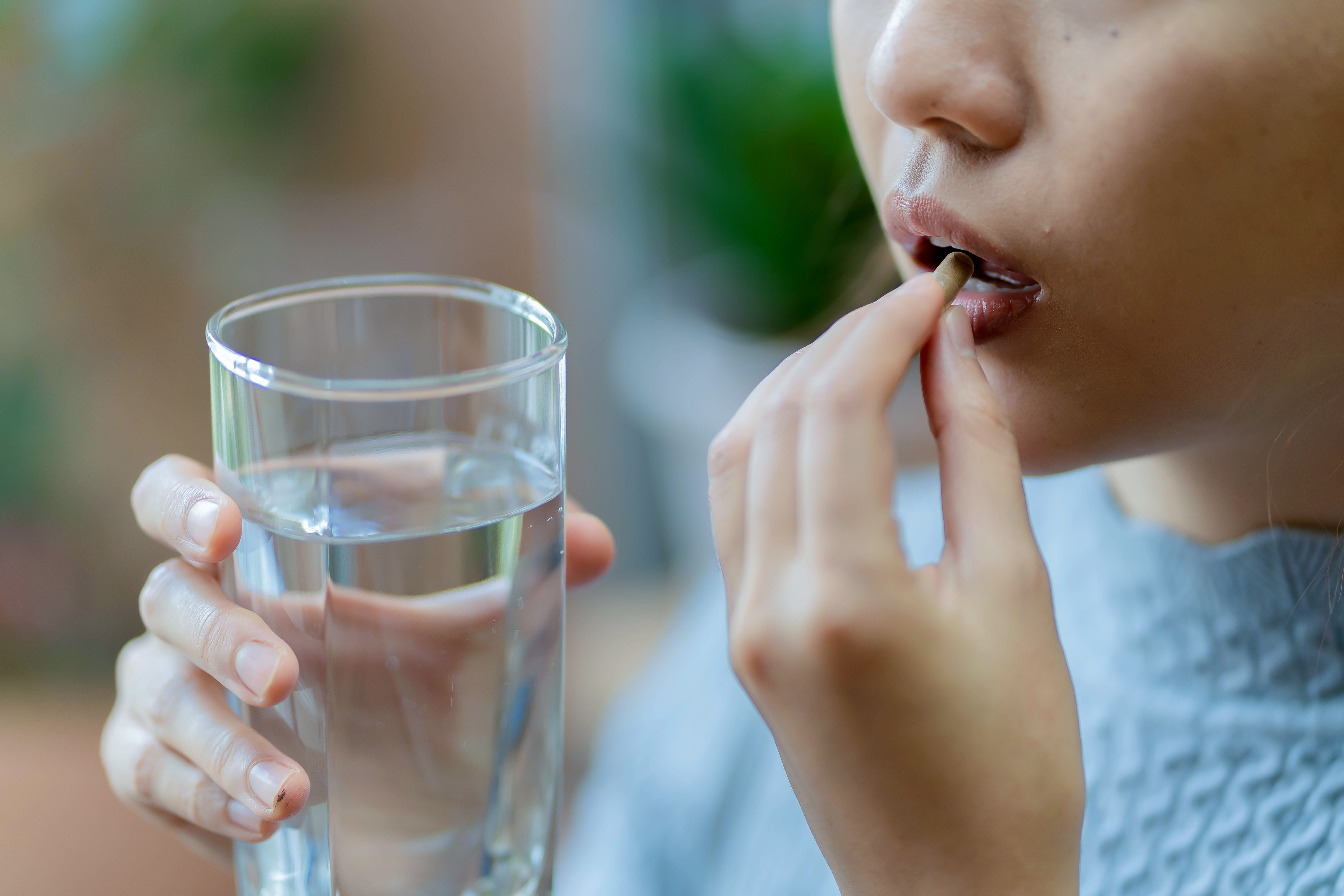
Liposomal NAD+ supplements and traditional oral NAD+ capsules differ in how effectively they deliver Nicotinamide Adenine Dinucleotide (NAD+) to the body, which plays a key role in cellular energy, longevity and cellular recovery.
Nicotinamide Adenine Dinucleotide (NAD+) is a vital coenzyme involved in cellular energy production and repair processes, yet its effectiveness as a supplement depends heavily on how it is delivered and absorbed. Research highlights the importance of NAD+ in maintaining mitochondrial function, supporting ageing processes and promoting metabolic health, but also raises questions about how well oral forms survive digestion and reach cells where they are needed most [1] [2].
The insights in this article are provided by Vivere’s Head of Nutrition, Yusra Serdaroglu Aydin, a registered dietitian with a background in nutrition, food engineering and culinary arts. Her approach is grounded in science and shaped by a strong understanding of personalised nutrition and the human microbiome, making the topic of supplement format, digestion and cellular absorption particularly relevant.
In One Sentence:
Liposomal NAD+ supplements are designed to protect NAD+ from stomach acid and improve cellular absorption, while traditional oral NAD+ capsules are more likely to be broken down during digestion, limiting their effectiveness.
Key Takeaways
What is the main difference between liposomal and oral NAD+? Liposomal NAD+ uses a fat bubble to protect the molecule and improve bloodstream absorption, while oral capsules are often broken down into precursors during digestion.
Does standard oral NAD+ work? Standard oral NAD+ may be partially effective but is significantly limited by digestive breakdown and poor cellular delivery.
Are there better options than taking oral capsules? Liposomal NAD+ delivery, subcutaneous NAD+ injections and precursor-based approaches such as NMN (Nicotinamide Mononucleotide) and NR (Nicotinamide Riboside) may offer improved absorption and utilisation.
What does liposomal NAD+ do? Liposomal NAD+ enhances molecule protection and supports more efficient cellular delivery compared to standard capsules.
What do NAD+ precursors do? Precursors act as raw building blocks that the body converts into NAD+, which may bypass some digestive limitations but rely on internal conversion processes.
The Core Problem with Standard Oral NAD+
Standard oral NAD+ capsules struggle to deliver intact NAD+ due to breakdown by gastric acid and digestive enzymes.
When NAD+ is taken in a standard capsule, it must pass through the digestive system, where gastric acid and digestive enzymes begin breaking it down almost immediately. NAD+ is considered a fragile molecule, meaning it is highly susceptible to gastric degradation before it can enter the bloodstream.
As a result, much of the NAD+ consumed in this form is broken into smaller molecule fragments rather than remaining intact. These fragments may still have some biological value, but they are not the same as delivering the full NAD+ molecule directly to cells.
This matters because NAD+ plays a crucial role in the mitochondria, often described as the cellular powerhouses responsible for producing ATP (Adenosine Triphosphate), the body’s primary energy source. If NAD+ levels are not effectively increased at the cellular level, the intended benefits for pure cellular energy and recovery may be limited.
Emerging clinical research continues to investigate how NAD+ behaves in the body and whether oral supplementation meaningfully increases NAD+ levels in the bloodstream and tissues [3] [4].
What is liposomal delivery? (The Science Explained)
Liposomal delivery uses Liposomal Encapsulation Technology (LET) to wrap NAD+ in a protective phospholipid bilayer that mimics cellular membranes.
A liposome is a microscopic fat bubble made from phospholipids, which are the same types of molecules that form human cell membranes. This phospholipid bilayer acts as a biological disguise, allowing the encapsulated NAD+ to pass through the digestive system with greater protection.
Instead of being exposed directly to stomach acid, the NAD+ is shielded within this structure, increasing the likelihood that it reaches the small intestine intact. From there, it can be absorbed more efficiently into the bloodstream.
Because the liposome closely resembles natural cellular membranes, it can fuse more easily with cells, and aims to facilitate uptake of NAD+ into the bloodstream, with potential for cellular utilisation. This process improves the chances of effective cellular uptake compared to traditional oral supplements.
Research into liposomal delivery systems shows promise for enhancing nutrient absorption, particularly for compounds that are otherwise unstable in the digestive tract [5] [6].
Bioavailability Breakdown: Comparing the Absorption
Different NAD+ delivery methods vary significantly in bioavailability, absorption rate and convenience. Options include:
Standard Oral Capsules
Standard oral capsules have low bioavailability due to digestive system breakdown.
These capsules rely on digestion to release NAD+, which often leads to degradation before meaningful absorption can occur. As a result, the absorption rate of intact NAD+ is typically low and inconsistent, with limited direct bloodstream delivery.
Liposomal Oral Supplements
Liposomal oral supplements improve bioavailability by protecting NAD+ and enhancing absorption.
By using liposomal oral supplements, the NAD+ is shielded from digestive damage and can pass more efficiently into the bloodstream. This method offers a balance between effectiveness and convenience, as it does not require a clinic visit.
At-Home Subcutaneous Injections
Subcutaneous injections, like those provided by the Vivere NAD+ pen, deliver NAD+ directly into the body, bypassing the digestive system.
This method involves injecting NAD+ into the fatty layer beneath the skin, allowing it to enter the bloodstream more directly. It avoids digestive breakdown entirely and may provide a more noticeable active physical effect.
Intravenous (IV) NAD+ Therapy
Intravenous therapy bypasses the digestive system completely, ensuring complete systemic availability.
However, it requires a clinic visit, can be time-intensive and is often more expensive than other options. Research comparing these methods suggests that bypassing the digestive system significantly improves NAD+ delivery, though practicality and accessibility vary between options [7] [8].
Liposomal NAD+ vs Precursors (NMN and NR)
Liposomal NAD+ delivers the finished molecule, while precursors like NMN (Nicotinamide Mononucleotide) and NR (Nicotinamide Riboside) provide building blocks for the body to convert into NAD+.
Precursor molecules such as NMN and NR are often used because they are smaller and may be more stable during digestion. These compounds act as raw materials that the body converts into NAD+ through natural metabolic pathways.
This approach relies on the body’s ability to process and assemble these building blocks efficiently. While this can support long-term cellular health and maintenance, it may not provide the same immediate cellular support as delivering the finished molecule directly.
Liposomal NAD+, on the other hand, aims to deliver NAD+ in its complete form, potentially offering more direct benefits if successfully absorbed. However, its effectiveness still depends on the quality of the delivery system and the integrity of the liposome.
Studies comparing precursor molecules suggest differences in how effectively they raise NAD+ levels, with some evidence indicating that NR may increase NAD+ more efficiently than NMN in certain contexts [9] [10].
How to Choose the Best Liposomal NAD+ Supplement in the UK
Choosing a high-quality liposomal NAD+ supplement involves assessing ingredients, delivery system and testing standards.
Clean Fat Sources
When selecting a supplement, it is important to look for products that use clean fat sources such as non-GMO sunflower lecithin rather than soy alternatives, particularly for those with sensitivities. The phospholipid bilayer should be derived from high-quality ingredients to ensure stability and effectiveness.
Third-Party Testing
Consumers should also check for third-party testing, which verifies supplement purity, safety and ingredient accuracy. This is especially important in a growing market where product quality can vary significantly.
Forms
Liposomal NAD+ supplements are available in liquid, softgel and capsule forms, each offering different advantages.
Alternatives
Vivere focuses on combining high-quality delivery systems with broader health support, including at-home injection pens for those seeking alternatives to oral supplementation.
Nutritionist's Corner: Final Thoughts
“Choosing between liposomal NAD+ and traditional oral capsules comes down to how effectively the body can absorb and use the supplement to support cellular health and energy production.
From a nutritional perspective, supporting NAD+ levels is not only about supplementation but also about maintaining a balanced lifestyle that includes a nutrient-rich diet and restorative sleep.
Liposomal delivery offers a promising solution to the issue of gastric acid degradation, helping protect NAD+ and improve mitochondrial support and ATP production. For those seeking performance longevity and improved daily recovery, selecting high-quality delivery systems can make a meaningful difference.”
"When it comes to liposomal vs oral NAD+ supplements, the theory around improved absorption is compelling, but there’s still a clear lack of definitive human data showing how much this actually translates into meaningful increases in NAD+ levels, or provides significant positive outcomes.
That said, the concept is promising, especially around protecting NAD+ from digestive breakdown and improving bioavailability, suggesting liposomal delivery could offer advantages, but more robust research is needed to confirm how significant those benefits truly are in practice."
Vivere helps you take control of your health with personalised insights from state-of-the-art gut microbiome testing, nutritional guidance, science-backed biohacking supplements, NAD+ supplementation and expert support. Sign up today and start living better, for longer.
Sources
[1] Therapeutic Potential of NAD-Boosting Molecules: The In Vivo Evidence - PubMed
[6] Bioavailability of Liposomal Vitamin C in Powder Form: A Randomized, Double-Blind, Cross-Over Trial
Author

Yusra Serdaroglu Aydin, MSc RD
Head of Nutrition and Registered Dietitian
Yusra is a nutritionist with a multidisciplinary background in nutrition, food engineering, and culinary arts. During her education, her curiosity abo...
Peer Reviewed by

Emily Stuart, RD
Dietitian
Emily is a Registered Dietitian, health writer, and professional chef with a unique blend of clinical, culinary, and communication expertise. She has...